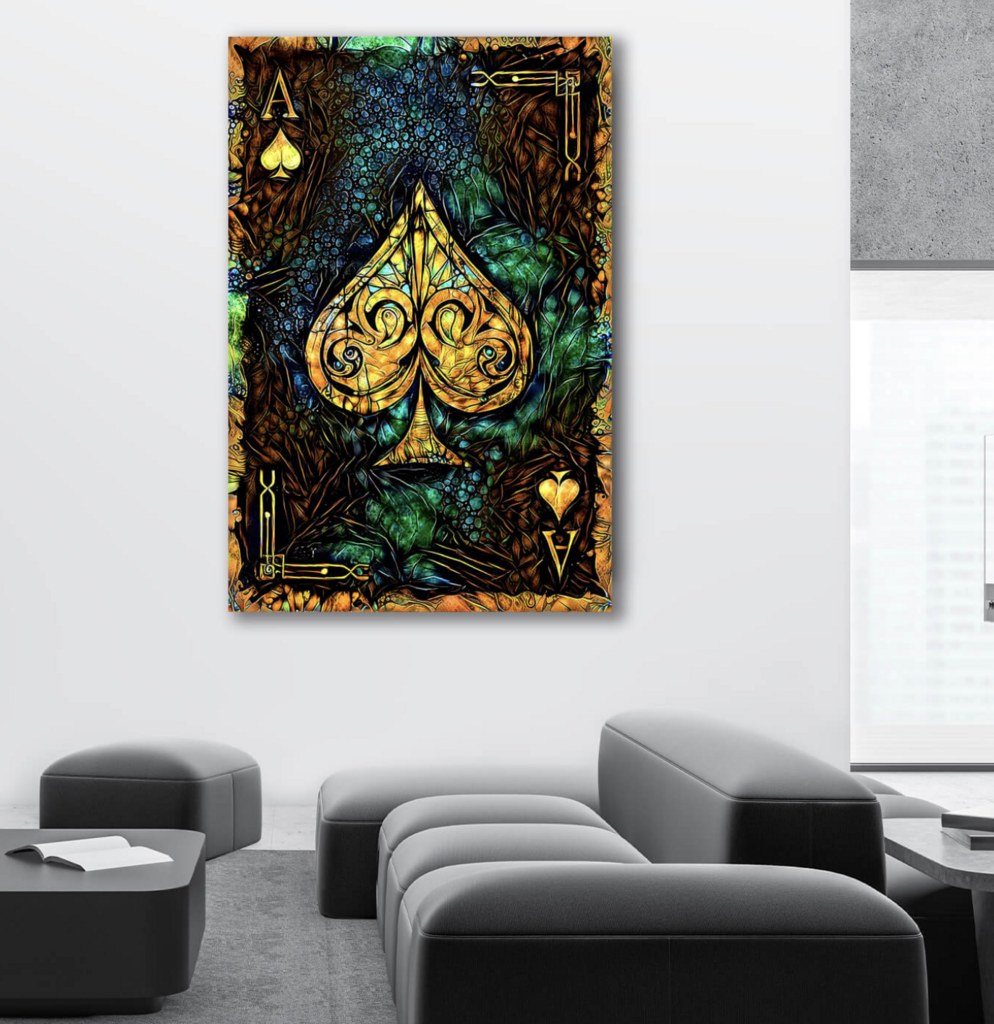
Statement wall art is one of the most powerful elements in modern interior design because it does more than decorate a room. It changes how people feel inside the space. A large artwork can create calm, confidence, energy, sophistication, creativity, or drama before anyone even notices the furniture. It becomes part of the emotional experience of the home.
Modern homes are often built around clean lines, neutral palettes, open spaces, and functional layouts. While this creates comfort and simplicity, it can also make a room feel flat if there is no strong visual anchor. Statement wall art solves that problem. It brings personality, emotion, and meaning into the room. It gives the eye somewhere to land and gives the space a clear identity.
The psychology of wall art matters because people do not only respond to interiors logically. They respond emotionally. A room can feel warm or cold, inspiring or dull, peaceful or chaotic. Art influences that reaction immediately. That is why statement wall art has become a key design tool in modern homes.
Statement Wall Art Creates Emotional Impact
The first psychological effect of statement wall art is emotion. Art communicates before words. Color, scale, subject, contrast, and composition all affect how a room feels.
A bold abstract canvas can make a living room feel creative and energetic. A dark dramatic piece can make a space feel powerful and sophisticated. A soft landscape can bring peace into a bedroom. A colorful artwork can make a neutral room feel more alive.
This is why MusaArtGallery’s statement wall art works so well in contemporary interiors. It gives the room an emotional direction. Instead of feeling like a collection of furniture, the space begins to feel like an experience.
People often remember how a room made them feel more than the exact objects inside it. Statement art helps control that feeling.
Large Art Gives the Brain a Focal Point
The human eye naturally looks for structure. When a room has no focal point, the brain has to work harder to understand the space. This can make a room feel visually confusing, even if the decor is expensive.
Statement wall art creates an immediate anchor. It tells the eye where to go first. Once the eye understands the focal point, the rest of the room feels more organized.
This is one reason interior designers often place large artwork above sofas, beds, consoles, fireplaces, or dining areas. The artwork becomes the visual center. It creates balance and makes the room feel more intentional.
A strong focal point also gives the home a sense of confidence. It shows that the room has a clear design decision instead of many small, disconnected choices.
Scale Changes Perception
Scale has a deep psychological effect in interiors. Large objects feel important. They create presence. They make a room feel more designed and less accidental. This is why oversized wall art often feels more luxurious than several small pieces.
Small art can be beautiful, but if it is placed on a large wall, it may feel weak or lost. The room can still feel unfinished because the scale does not match the space. Statement art fixes that by filling the wall with enough visual weight.
When artwork matches the size of the wall, the entire room feels more balanced. The brain reads the space as complete. This creates a subtle feeling of comfort and order.
Color Influences Mood
Color psychology plays a major role in how statement wall art affects a home. Different colors create different emotional reactions.
Blue can feel calm, open, and peaceful. Red can feel energetic, passionate, and bold. Green often feels natural and balanced. Black can feel dramatic, elegant, and powerful. Gold can feel luxurious and warm. White and beige tones can create softness and simplicity.
A statement artwork can introduce these emotions without repainting walls or changing furniture. This makes art one of the easiest ways to shift the mood of a room.
For example, a neutral living room can become warmer with orange or gold tones. A bedroom can feel calmer with blue or green artwork. A home office can feel more focused with darker, cleaner visuals.
Art Reflects Identity
People use homes to express who they are. Furniture may show taste, but art often shows personality. Statement wall art tells guests something about the person who lives there. It can suggest creativity, confidence, spirituality, ambition, humor, calmness, or boldness.
This is why choosing wall art feels personal. People are not only choosing colors that match the sofa. They are choosing an image, mood, or symbol that reflects something about them.
A powerful artwork can make a home feel less generic. It turns a room from a showroom into a personal environment. That psychological connection is important because people feel more comfortable in spaces that reflect their identity.
Statement Art Makes Rooms Feel More Expensive
There is a reason luxury hotels, high-end offices, restaurants, and designer homes often use large wall art. It creates visual confidence. It makes the room feel curated.
The psychological effect is subtle but strong. A large statement piece suggests intention. It shows that the space was designed with purpose. It also reduces the need for too many small decorative objects, which can sometimes make a room feel cluttered.
One oversized canvas can make a room feel more premium because it creates simplicity and impact at the same time. This is especially useful in modern homes, where people want interiors that feel clean but not empty.
Art Can Make Masculine Spaces Feel More Complete
Statement wall art is especially powerful in masculine rooms, entertainment spaces, gaming rooms, offices, lounges, and man caves. These spaces often need personality, atmosphere, and visual strength. Without art, they can feel unfinished or purely functional.
A strong canvas can make a man cave feel more intentional. It can define the mood of the room, whether that mood is bold, cinematic, sporty, luxurious, dark, or relaxed. The right artwork can make the space feel like a true personal retreat rather than just a room with a sofa and screen.
This is why bold man cave art can have such a strong effect. It adds character, confidence, and atmosphere to a room that is built around identity and personal taste.
Visual Contrast Creates Energy
Statement wall art often works because of contrast. A dark artwork on a light wall creates drama. A colorful piece in a neutral room creates energy. A large abstract canvas in a minimalist interior creates tension and movement.
The brain responds strongly to contrast because it makes elements easier to notice. This is why a statement artwork can immediately wake up a room that feels too plain.
Contrast does not always need to be loud. It can be soft and elegant. A textured neutral artwork can create contrast against smooth walls. A black-and-white piece can create sophistication without using bright colors. The key is that the artwork should bring something the room does not already have.
Art Affects Conversation and Memory
Statement wall art can also influence how people interact in a space. A memorable artwork becomes a conversation starter. Guests may ask about it, comment on it, or remember the room because of it.
This matters because homes are social environments. The best rooms are not only beautiful. They create moments. Statement art gives people something to respond to emotionally and visually.
A room with a strong artwork is often easier to remember than a room with only neutral furniture. The art becomes part of the story of the home.
The Right Art Can Make a Room Feel Calmer
Not all statement art needs to be loud. A statement piece can be large and calming at the same time. In fact, many modern homes use oversized peaceful art to create a sense of relaxation.
A soft abstract canvas, nature-inspired artwork, or balanced composition can reduce visual noise. It can make the room feel grounded and complete. This is especially useful in bedrooms, reading corners, meditation spaces, and living rooms designed for relaxation.
The psychological goal is not always excitement. Sometimes the goal is emotional balance.
How to Choose Statement Wall Art With Intention
Choosing statement wall art should begin with the feeling you want to create. Before thinking about colors or size, ask what the room should communicate.
Should it feel calm, bold, luxurious, creative, masculine, spiritual, playful, or dramatic? Once the mood is clear, the choice becomes easier.
A few simple rules help:
- Choose large art for large walls.
- Match the mood of the room, not only the color palette.
- Use bold art in simple rooms and calmer art in busy rooms.
- Let the artwork breathe instead of surrounding it with clutter.
Statement art works best when it feels intentional. It should not look like a random decoration. It should feel like the emotional center of the room.
To Conclude
Statement wall art has maximum impact because it affects both design and psychology. It changes the way a room looks, but also the way it feels. It creates focus, mood, identity, balance, and memory.
In modern homes, where interiors often lean neutral and minimal, art brings the missing emotional layer. It makes rooms feel complete. It adds personality without requiring too much furniture or decoration.
The right artwork can make a living room feel luxurious, a bedroom feel peaceful, an office feel inspiring, or a man cave feel powerful. That is why statement wall art is not just an accessory. It is one of the most important design decisions in the home.
A room becomes memorable when it has a clear feeling. Statement wall art gives it that feeling instantly.