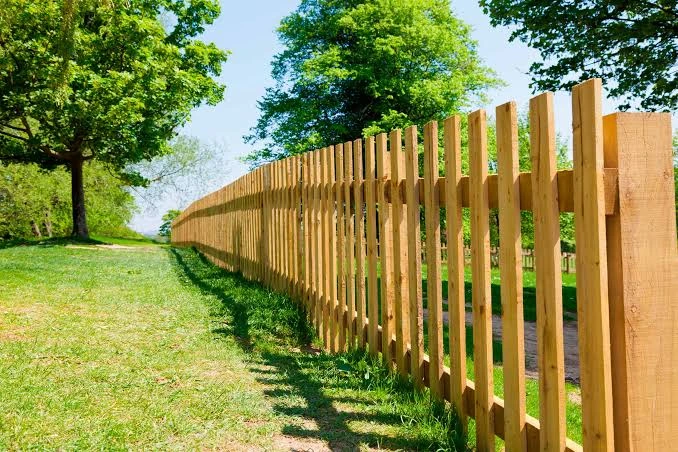
When people think of utility strikes, they usually picture a large excavator on a major construction site. In reality, a significant share of damage to buried lines is caused by small jobs: digging post holes for a fence, setting footings for a deck, planting trees, installing irrigation or edging a garden bed. These jobs are fast, often done with hand tools or small augers, and frequently carried out without a full picture of what lies below.
For fence builders, deck installers and landscapers, a single strike can mean injured workers, an angry customer, repair bills and liability claims that wipe out the profit of many jobs. This guide covers how small contractors can protect themselves with simple, consistent locating practices.
Why Small Jobs Carry Real Risk
- Shallow utilities. Telecom cables, low-voltage lighting, irrigation lines and some gas services can be just a few inches to a foot or two below the surface.
- Private lines. Many lines in a backyard belong to the property owner, not the utility, and are not marked by the one-call service.
- Many holes. A fence line may require dozens of post holes. Each one is a separate chance to hit something.
- Powered augers. Mechanical augers can cut through a cable or pipe before the operator feels any resistance.
Step 1: Always Use the One-Call Service
In the United States, calling or submitting a request through 811 before digging is free and required by law in every state. Similar systems exist in Canada, the UK, Australia and many other countries. Utilities then mark their lines with colored paint or flags. Most US states require notice of about two to three working days before work starts, but rules vary, so check your state’s requirements.
Once lines are marked, most states define a tolerance zone, commonly 18 to 24 inches on either side of the marking, within which digging must be done carefully by hand or with soft excavation methods.
Step 2: Account for Private Lines
One-call markings typically stop at the meter or property line. On a typical residential or commercial property, the following are often unmarked:
| Private Line | Typical Depth | Common Locations |
| Landscape and pathway lighting cables | Very shallow, often under 12 inches | Along paths, driveways and garden beds |
| Irrigation pipes | Shallow | Lawns, planting beds, along fences |
| Gas lines to grills, fire pits, pool heaters or outbuildings | Varies | Patios, back gardens, near pools |
| Power to sheds, gates, pumps and garages | Varies | Across yards to outbuildings |
| Sewer laterals and drain lines | Often deeper | From the house toward the street |
| Septic tank and drain field lines | Varies | Rural and semi-rural properties |
Ask the property owner what has been installed over the years, look for surface clues such as light fixtures, valve boxes, sprinkler heads and cleanouts, and assume there is something there until proven otherwise.
Step 3: Use Private Locating When Needed
For jobs with many holes, commercial properties, or yards with lots of features, hiring a private locator is often worth the cost. Private locators use electromagnetic equipment to trace metallic lines and ground penetrating radar to find plastic pipes and other non-metallic targets. They mark private lines so your crew can work around them.
Contractors who work on larger commercial and institutional sites can benefit from specialized utility locating services that map both public and private networks without excavation. MAYA Global Group, for example, compares and combines several non-destructive methods to give contractors a clearer picture of crowded sites.
Step 4: Dig Smart
- Hand dig or use vacuum excavation within the tolerance zone of any marked line.
- Start post holes by hand for the first foot or so before using an auger.
- Stop immediately if you hit something unexpected, and investigate before continuing.
- Adjust the layout when possible. Moving a fence post a few inches is far cheaper than repairing a line.
- Keep photos of the markings before starting work as a record of due care.
Step 5: Know What To Do If You Hit Something
- If gas is released, get everyone away, avoid any ignition source and call emergency services and the gas utility.
- If a power cable is damaged, keep everyone clear and call the utility. Do not touch the cable or equipment in contact with it.
- Report any damage to the utility, even if it seems minor. A scraped coating can lead to corrosion and a later failure.
Frequently Asked Questions
Do I need to call 811 for a small fence job?
Yes. In the US, calling before digging is required regardless of the size of the job, and it is free.
Who marks the sprinkler lines and garden lighting?
Usually no one, unless you or the owner hire a private locator. These are private lines.
Is hand digging always safe near utilities?
It is much safer than mechanical digging, but care is still needed. Use rounded tools and gentle pressure near marked lines.
Conclusion
Small jobs deserve the same respect for buried utilities as large ones. A one-call ticket, a conversation with the owner, a private locate where needed and careful digging practices protect crews, customers and the business. Building these steps into every job is far easier than recovering from a single bad strike.