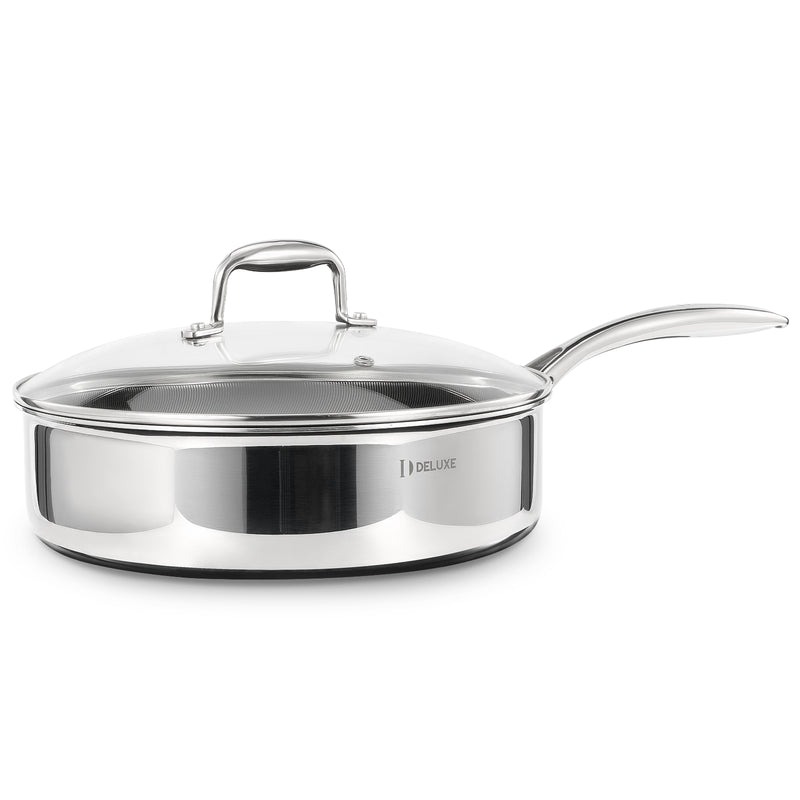
If you’ve ever stood in a cookware aisle—or scrolled endlessly through online options—feeling overwhelmed by choices, you’re not alone. The sheer variety of materials, brands, and claims can leave even experienced home cooks second-guessing themselves. Yet amid all the noise, stainless steel skillets consistently emerge as the go-to choice for cooks who want reliability without compromise. There’s a reason professional kitchens are lined with gleaming stainless steel: it delivers results you can trust, meal after meal.
The real challenge for most home cooks isn’t just finding a pan that looks good—it’s finding one that performs across a wide range of tasks, holds up over years of daily use, and genuinely improves the cooking experience. That’s exactly what this guide addresses. Whether you’re upgrading from a worn-out nonstick pan or building your kitchen from scratch, the following sections will walk you through everything you need to know about selecting the right stainless steel skillet. From understanding construction quality to mastering everyday cooking techniques, you’ll finish this article equipped to choose with confidence and cook with pride.
Why Stainless Steel Skillets Are a Kitchen Essential
Stainless steel skillets earn their place in the kitchen not through marketing hype but through undeniable performance. Unlike nonstick coatings that degrade over time or cast iron that demands careful seasoning rituals, stainless steel offers a cooking surface that remains unchanged decade after decade. This exceptional durability means your investment pays for itself many times over—these pans don’t chip, warp, or lose effectiveness with heavy use.
What truly sets stainless steel apart is how it handles heat. A well-constructed skillet distributes warmth evenly across its entire surface, eliminating the hot spots that scorch food in lesser pans. It also retains heat remarkably well, which means when you lay a steak in the pan, the temperature doesn’t plummet—you get that restaurant-quality sear every time. The non-reactive surface is equally important for health-conscious cooks; acidic ingredients like tomatoes, wine, and citrus won’t leach metallic flavors or unwanted compounds into your food.
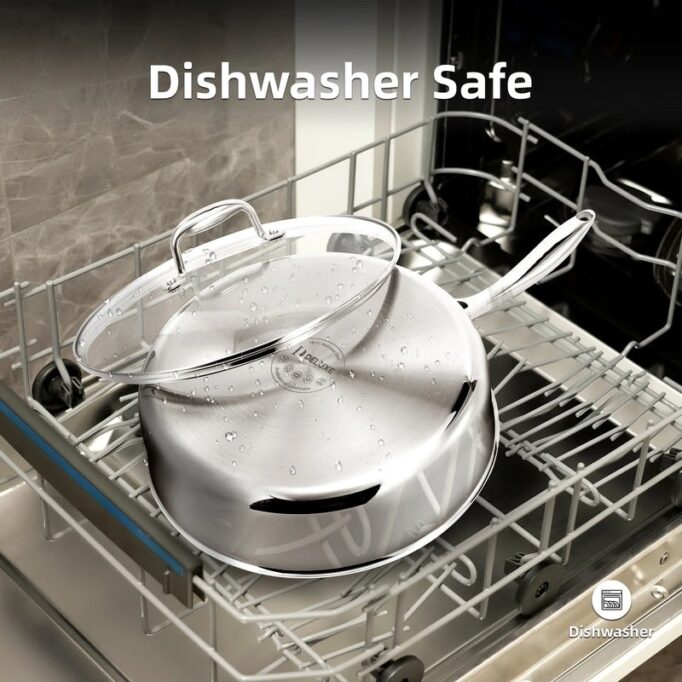
Versatility is where stainless steel truly shines in everyday cooking. Sear chicken thighs to golden perfection, sauté vegetables with precise control, deglaze the fond into a rich pan sauce, then transfer the whole skillet into a hot oven to finish. Few other materials handle this range of techniques so seamlessly. For home cooks seeking professional-quality results without a professional kitchen, a reliable stainless steel skillet bridges that gap effortlessly.
Key Factors to Consider When Choosing Your Skillet
Selecting the right stainless steel skillet starts with honest self-assessment. Think about what you cook most often—are you searing proteins several nights a week, or do you lean toward quick vegetable sautés and pan sauces? A cook who regularly prepares meals for four or more will have different needs than someone cooking solo dinners. Your cooking habits should drive every decision that follows, from size to weight to handle style.
Size matters more than most people realize. A 10-inch skillet works beautifully for one or two people, while a 12-inch model gives you the surface area needed to cook without overcrowding—critical for achieving proper browning rather than steaming. Weight plays into this as well; a heavier pan generally signals better construction and heat retention, but it also needs to feel manageable when you’re flipping vegetables or pouring a sauce. Pick up the skillet mentally: can you lift it comfortably with one hand? Will you actually reach for it daily, or will it stay buried in a cabinet?
Handle design deserves more attention than it typically gets. A well-shaped handle that stays cool on the stovetop, offers a secure grip even with wet hands, and is riveted solidly to the pan body makes the difference between cooking with ease and cooking with anxiety. Similarly, a well-fitting lid expands your skillet’s capabilities—allowing you to trap steam for finishing thick cuts of meat, wilting greens, or building quick braises without reaching for a separate pot.
Construction: The Secret to Even Cooking
The internal construction of a stainless steel skillet is what separates a frustrating cooking experience from a flawless one. Multi-ply cladding means layers of different metals are bonded together across the entire body of the pan—typically stainless steel on the exterior and interior with an aluminum or copper core sandwiched between. This full-clad approach ensures heat travels uniformly from the pan’s center all the way up its sidewalls, giving you consistent results whether you’re searing at the base or reducing a sauce that climbs the edges. Tri-ply construction—three bonded layers—strikes an ideal balance between performance and weight for everyday home cooking. Pans with five or more layers add incremental heat control but also additional heft. The aluminum or copper core is the engine of the operation: aluminum offers lightweight, efficient heat conduction, while copper responds even faster to temperature changes. This core is why a quality clad skillet heats evenly in under a minute and responds almost instantly when you adjust the flame. Understanding this construction explains why well-built stainless steel skillets outperform cheaper alternatives with thin, single-layer bodies or disk-bottom designs that only distribute heat across the flat base, leaving sidewalls comparatively cold.
What Sets Quality Cookware Apart
In a market flooded with stainless steel options, manufacturers like Deluxe Cookware distinguish themselves through manufacturing precision that most brands simply cannot match. Every skillet undergoes advanced bonding processes that ensure the metal layers fuse seamlessly, eliminating weak points that could lead to warping or delamination under high heat. This isn’t just assembly—it’s engineering refined over years of iteration, resulting in cookware that performs consistently from the first use through its thousandth.
Innovation drives the design philosophy behind the best pieces on the market. Ergonomic handles are shaped through extensive testing to accommodate natural grip patterns, reducing fatigue during longer cooking sessions. Rim geometry is carefully calibrated for drip-free pouring, and interior surface finishes are optimized to balance browning capability with easier food release. These details might seem minor in isolation, but together they create a cooking experience that feels intuitive rather than laborious.
Equally important is a commitment to responsible production. Leading cookware makers source materials with sustainability in mind, prioritizing recycled metals where possible and maintaining ethical labor standards throughout the supply chain. The result is a product you can feel good about owning—not just because it elevates your cooking, but because it reflects values that matter beyond the kitchen. Aesthetically, a well-designed skillet complements modern kitchen spaces with clean lines and a timeless polished finish that looks as purposeful hanging on a rack as it does working over a flame.
Beyond the Product: The Full Customer Experience
Choosing the right skillet is only half the equation—the experience surrounding that purchase matters just as much. Trust is built through transparency at every stage. That means straightforward pricing with no hidden fees, no surprise charges at checkout, and no inflated shipping costs tacked on at the last moment. The price you see should reflect the true value of what you’re getting, and nothing more. This approach respects the decision-making process of customers who have spent considerable time researching before committing to quality cookware.
Once you’ve made your choice, anticipation builds quickly. You want your new skillet in hand, not stuck in logistical limbo. That’s why the best brands design their fulfillment process around clarity and speed. From the moment an order is confirmed, you should receive tracking information that keeps you informed at every step—no guessing, no wondering, no frustrating silence. Trusted logistics partners ensure cookware arrives safely and on schedule, typically within just a few business days of placing your order.
Reliable Delivery You Can Count On
A strong shipping infrastructure is built for consistency rather than empty promises. Orders should be processed and dispatched quickly, moving through streamlined channels that minimize delays and reduce the chance of damage in transit. Each package tracked from warehouse to doorstep, with updates so you always know exactly where your order stands. This matters especially for home cooks planning a kitchen upgrade around a specific timeline—perhaps you’re preparing for a dinner party, a holiday gathering, or simply eager to retire that old pan this weekend. A reliable business days delivery window gives you a dependable timeframe to plan around. And if questions arise at any point—before, during, or after your purchase—responsive customer support should match the same care put into crafting the cookware itself.
Your Guide to Cooking with Stainless Steel
Owning a quality stainless steel skillet is one thing—knowing how to use it well is what transforms your cooking. The good news is that mastering this material doesn’t require culinary school training, just a few foundational habits that quickly become second nature. Start by washing your new skillet with warm soapy water before its first use to remove any manufacturing residues. Some cooks like to “season” their stainless steel by heating a thin layer of oil until it just begins to smoke, then wiping it clean—this creates a subtle layer that aids food release during those first few cooking sessions.
Temperature control is the single most important skill to develop. The classic water droplet test tells you everything: heat your dry pan over medium heat, then flick a few drops of water onto the surface. When the water forms a single, cohesive bead that glides across the pan without immediately evaporating, your skillet has reached the ideal temperature. Add your oil at this point, let it shimmer for a moment, and then introduce your food. This method virtually eliminates sticking—the proteins in meat or the starches in vegetables won’t bond to a properly heated surface. Resist the urge to move food too soon; when it’s ready to flip, it will release naturally.
For maintenance, skip abrasive cleaners and let the pan cool slightly before washing with hot water and a soft sponge. Bar Keeper’s Friend or a paste of baking soda handles stubborn discoloration beautifully. Once you’re comfortable with heat management, challenge yourself with dishes that showcase your skillet’s strengths—pan-seared salmon with a crispy skin, a golden French omelette, or caramelized scallops followed by a white wine pan sauce built from the fond. Each successful dish reinforces your technique, and within weeks, reaching for your stainless steel skillet will feel as instinctive as turning on the stove.
Invest in Your Cooking Future with the Right Skillet
A quality stainless steel skillet is more than a kitchen tool—it’s an investment in every meal you’ll cook for years to come. The durability, even heat distribution, and sheer versatility of well-constructed stainless steel make it the foundation of confident home cooking. When you understand what goes into a great skillet—from multi-ply cladding to thoughtful handle design—you’re no longer guessing at the cookware aisle. You’re choosing with clarity and purpose.
That confidence extends beyond the pan itself. Knowing that your purchase comes with transparent pricing, reliable delivery within business days, and genuine customer support removes the friction that so often accompanies online shopping. You deserve cookware that respects both your cooking ambitions and your time. So whether you’re perfecting a weeknight sear or attempting your first pan sauce, trust that the right skillet—paired with the right habits—will reward you with results that keep getting better. Your culinary journey deserves tools that rise to meet it, and now you know exactly how to find them.