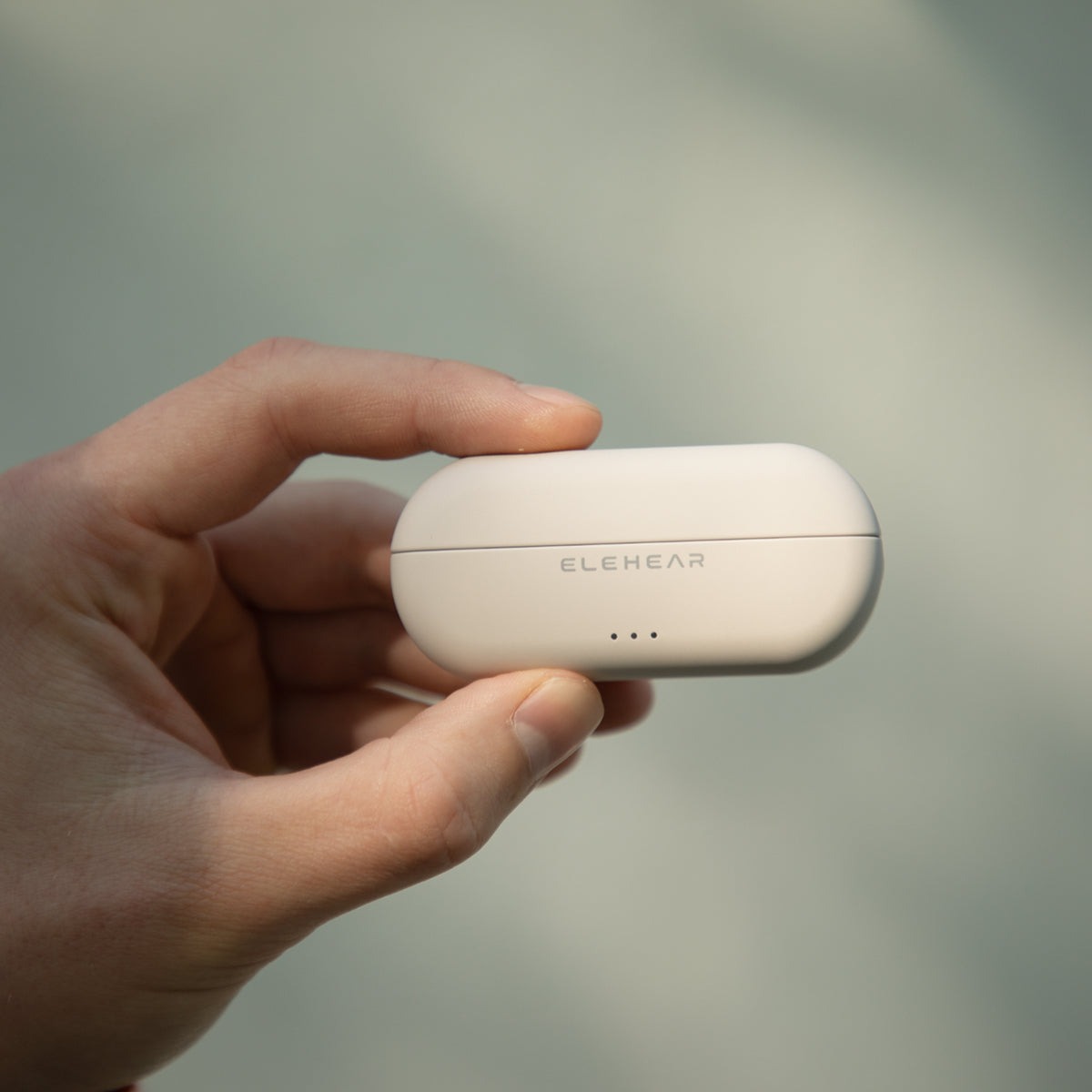
The demand for affordable, technology-enhanced hearing solutions has surged dramatically as millions of people seek devices that combine cutting-edge performance with reasonable price points. Gone are the days when quality hearing aids meant spending thousands of dollars at a specialist’s office. Today, AI hearing aids with charging cases are reshaping the budget market, delivering intelligent sound processing, seamless connectivity, and all-day power in compact, user-friendly packages. For tech-savvy individuals who understand the value of smart features but refuse to overpay, finding the right device can still feel overwhelming. The market is flooded with options, and distinguishing genuine innovation from marketing hype requires careful evaluation. This article breaks down everything you need to know about trending AI hearing aids with charging cases that won’t drain your wallet. We’ll explore the key features that define the best budget hearing aids, offer practical guidance on maximizing smart capabilities, walk you through a step-by-step selection process, and highlight top picks that deliver real value. Whether you’re shopping for yourself or a loved one, this guide will help you make a confident, informed decision.
The Rise of AI Hearing Aids: Affordable Innovation for Tech-Savvy Individuals
AI hearing aids represent a fundamental leap in how sound amplification devices process and deliver audio to users. Unlike traditional hearing aids that simply amplify all sounds uniformly, AI-powered devices use machine learning algorithms to analyze acoustic environments in real time, distinguishing speech from background noise and automatically adjusting output for optimal clarity. This intelligent processing was once exclusive to premium devices costing several thousand dollars, but manufacturers have rapidly democratized the technology. The shift toward budget-friendly AI hearing aids stems from advances in chip miniaturization and increased market competition, allowing companies to offer sophisticated sound processing at a fraction of previous costs. For tech-savvy individuals searching for the best budget hearing aids, this evolution means access to features like adaptive noise cancellation, voice enhancement, and personalized sound profiles without the traditional financial barrier. The target audience for these devices isn’t just those with diagnosed hearing loss—it includes anyone who wants sharper audio experiences in challenging environments, from crowded restaurants to virtual meetings. As direct-to-consumer sales models bypass expensive middlemen, the combination of AI intelligence and rechargeable charging cases has created a sweet spot where affordability meets genuine innovation, making quality hearing enhancement accessible to millions who previously felt priced out of the market.
Key Features Defining the Best Budget Hearing Aids
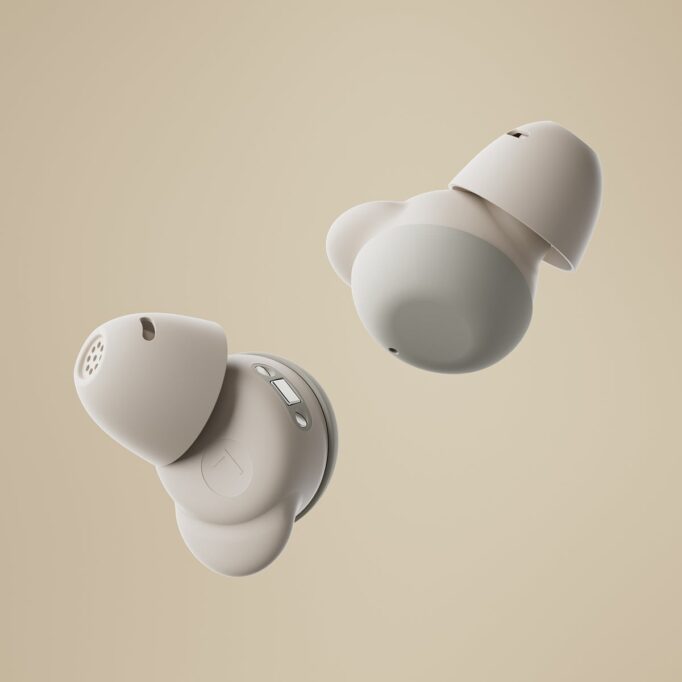
When evaluating affordable AI hearing aids, understanding which features genuinely impact daily performance helps separate worthwhile investments from disposable gadgets. The best budget hearing aids share a core set of capabilities that deliver meaningful improvements in hearing quality, convenience, and versatility. Rather than chasing every specification on a product page, focus on three pillars: intelligent sound processing, reliable power management, and multi-function connectivity. These elements work together to create a cohesive experience that rivals devices at much higher price points.
AI-Powered Sound Clarity Technology
The defining advantage of AI in hearing aids is contextual awareness. Advanced algorithms continuously scan your acoustic environment, identifying whether you’re in a quiet room, a busy street, or a windy outdoor space, then adjusting amplification profiles accordingly. Speech enhancement isolates human voices from competing frequencies, making conversations clearer without boosting unwanted ambient sound. Many budget models now include personalized audio calibration through companion apps, allowing users to run hearing assessments and generate custom sound profiles tailored to their specific frequency sensitivities. This adaptive processing reduces listening fatigue significantly compared to static amplification devices.
The Convenience of Hearing Aids with Charging Cases
Charging cases have transformed the daily hearing aid experience by eliminating the frustration of disposable batteries. A quality case provides multiple full charges on a single case charge, extending total usage to several days between wall outlet sessions. Beyond power, these cases serve as protective storage that keeps devices clean, dry, and organized during travel. The best designs feature LED indicators showing remaining charge levels and compact form factors that slip easily into pockets or bags, making the entire system genuinely portable.

Exploring Multi-Function Hearing Aids
Modern budget AI hearing aids double as wireless earbuds, offering Bluetooth connectivity for streaming phone calls, music, and media directly into the devices. App integration enables remote adjustments, firmware updates, and environmental mode switching from your smartphone. Some models include tinnitus masking programs, directional microphone modes for focused listening, and automatic volume adaptation that responds to changing noise levels without manual intervention. These multi-function capabilities mean a single affordable device can replace several separate gadgets in your daily routine.
Maximizing Smart Features: A Guide for Tech-Savvy Users
Owning an AI hearing aid is only half the equation—extracting full value from its smart capabilities requires intentional setup and ongoing optimization. Start by downloading the manufacturer’s companion app immediately after unboxing, as this serves as your command center for customization. During initial pairing, hold the devices close to your phone with Bluetooth enabled, and follow the in-app prompts to complete the handshake between devices. Most apps will guide you through an audiogram-style hearing assessment that maps your frequency sensitivities and generates a baseline sound profile. Run this test in a quiet room for accurate results, then fine-tune the output over the following week as you encounter different environments. Create saved profiles for your most common scenarios—one for office conversations, another for outdoor walks, and a third for media streaming—so you can switch between them with a single tap rather than manually adjusting settings each time. For troubleshooting connectivity drops, ensure your phone’s firmware is current and that no other Bluetooth devices are competing for the connection. If audio cuts out intermittently, try forgetting the device in your phone’s Bluetooth settings and re-pairing from scratch. Regularly check for firmware updates within the app, as manufacturers frequently push improvements to noise reduction algorithms and battery optimization. Finally, experiment with directional microphone settings during group conversations—pointing focus forward while suppressing side and rear noise can dramatically improve speech intelligibility in challenging acoustic spaces.
How to Choose the Best Budget AI Hearing Aid: A Step-by-Step Process
Selecting the right AI hearing aid with a charging case doesn’t require expert knowledge—just a systematic approach that matches your specific needs to available options. Begin by honestly assessing your hearing challenges: note which environments give you the most difficulty, whether that’s one-on-one conversations, group settings, or media consumption. This self-assessment guides which AI features matter most for your situation. Next, establish a firm budget range and identify devices within that bracket that include both AI sound processing and a charging case as standard inclusions rather than optional accessories. Compare shortlisted models across three dimensions—adaptive noise management quality, battery life per charge cycle, and Bluetooth connectivity range—since these factors most directly affect daily satisfaction. Read verified user reviews specifically from people describing scenarios similar to yours, paying attention to comments about long-term reliability rather than initial impressions. Check whether the manufacturer offers a companion app with regular updates, as this indicates ongoing software support that improves your device over time. Finally, confirm the return policy before purchasing. The best budget hearing aids deliver excellent value, but personal fit varies, and a generous trial period lets you test real-world performance without financial risk. Following this process ensures you invest in a device that genuinely solves your hearing challenges rather than simply checking specification boxes.
Top Picks: Trending AI Hearing Aids with Charging Case on a Budget
Several standout models currently dominate the budget AI hearing aid market, each solving specific user challenges while maintaining affordability. Devices featuring dual-microphone arrays with AI-driven beam forming excel in noisy environments, making them ideal for users who struggle most in restaurants or social gatherings. Brands like ELEHEAR have gained attention for combining responsive AI processing with sleek charging case designs that appeal to tech-forward consumers. Models built around low-energy Bluetooth chips deliver stable streaming connections while preserving battery life, often achieving full-day wear on a single charge with their compact charging cases providing three to four additional cycles on the go. For users prioritizing customization, options with robust companion apps offering multi-band equalizers and scene-based AI profiles stand out—these let you shape sound output precisely rather than relying solely on automatic adjustments. Devices incorporating open-fit designs with silicone domes address comfort concerns for extended wear, while those with IP-rated water resistance suit active lifestyles where sweat and light rain are factors. The most compelling budget picks combine all three core strengths: responsive AI that adapts without lag, a charging case that doubles as a protective travel companion, and Bluetooth multi-function capability that eliminates the need for separate earbuds. When comparing options, prioritize models from manufacturers demonstrating consistent firmware update histories, as this ongoing software investment directly translates to improved AI performance months after your initial purchase.
Making the Most of Affordable AI Hearing Technology
AI hearing aids with charging cases have fundamentally changed what budget-conscious consumers can expect from hearing enhancement technology. The combination of intelligent sound processing, rechargeable convenience, and multi-function connectivity delivers an experience that would have required a significant financial commitment just a few years ago. For tech-savvy individuals, these devices offer a compelling blend of customization and automation—smart enough to adapt on their own, yet flexible enough to fine-tune through companion apps and saved profiles. The key takeaways are straightforward: prioritize adaptive AI sound processing over raw amplification power, choose a charging case that supports your lifestyle and travel habits, and invest time in initial setup and ongoing optimization to unlock the full potential of your device. By following the step-by-step selection process outlined in this guide—assessing your specific challenges, comparing core features, reading real-world reviews, and confirming return policies—you position yourself to make a purchase that genuinely improves daily life rather than collecting dust in a drawer. The accessibility of quality hearing technology has never been greater, and the innovation curve shows no signs of slowing. Take the next step, explore the options available within your budget, and experience what modern AI-driven hearing enhancement can do for you.