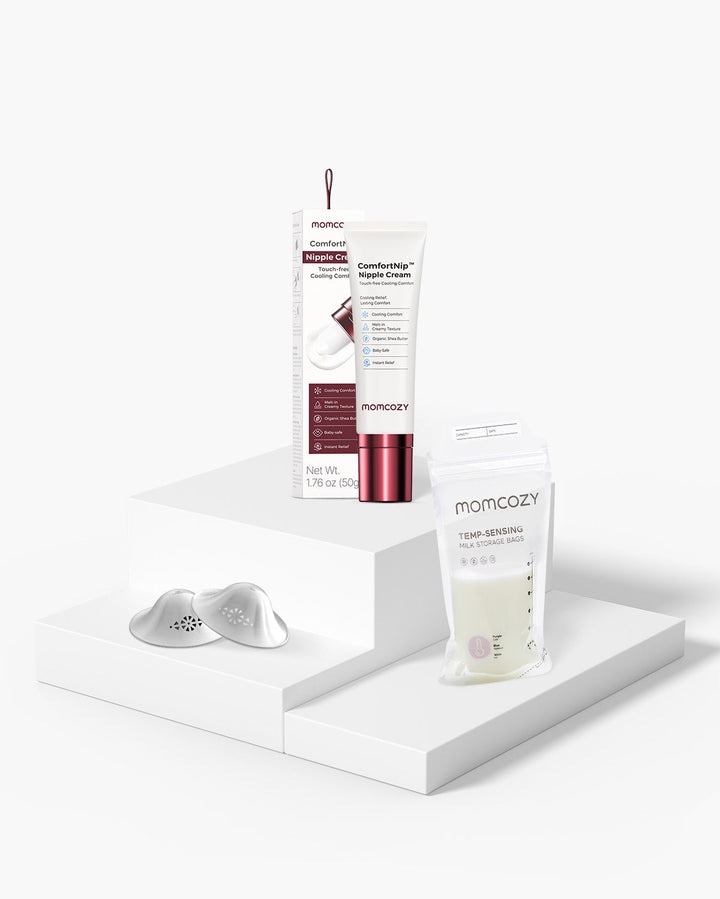
Breastfeeding is one of the most natural and rewarding experiences a mother can have, yet it often comes with an unexpected challenge: nipple soreness. Cracked, dry, and tender skin can make every feeding session uncomfortable, leaving new mothers searching for fast, effective relief. For decades, lanolin-based creams dominated the market as the go-to solution, but many mothers are now questioning whether traditional options are truly the safest choice for themselves and their babies.
The decision feels overwhelming. With so many products on the shelf, how do you know which one won’t trigger an allergic reaction, leave a greasy residue, or introduce questionable ingredients into your baby’s feeding routine? This is where lanolin-free nipple cream steps in as a modern, thoughtfully formulated alternative. Designed with natural and plant-based ingredients, these creams offer the same soothing relief without the drawbacks that come with animal-derived lanolin. Throughout this article, we’ll explore why more mothers are making the switch, what makes lanolin-free options genuinely superior, and how to choose the right product for your unique needs.
What is Lanolin and Why Go Lanolin-Free?
Lanolin is a waxy substance secreted by the sebaceous glands of wool-bearing animals, primarily sheep. It’s been used in skincare for centuries due to its deeply moisturizing properties, and for a long time, it became the standard ingredient in nipple creams recommended to breastfeeding mothers. On the surface, lanolin seems like a logical choice — it’s natural, it locks in moisture, and it creates a protective barrier on broken skin. However, as our understanding of ingredient safety and skin sensitivity has evolved, so has the case for switching to a lanolin-free nipple cream.
One of the most significant concerns is its origin. Because lanolin comes from animal fleece, it can carry traces of pesticides, fertilizers, and other agricultural chemicals absorbed by the sheep. These residues don’t always get fully removed during processing, raising understandable concerns for mothers who want clean, safe products near their babies’ mouths. Beyond contamination risks, lanolin is also a known allergen. Women with wool sensitivities or eczema-prone skin are particularly vulnerable to reactions, which can worsen rather than relieve nipple irritation.
Common Issues with Lanolin-Based Products
Beyond allergies, lanolin’s thick, greasy texture creates a practical problem — it leaves a heavy residue on clothing and requires wiping off before each feeding, adding inconvenience to an already demanding routine. Its occlusive nature can also trap bacteria against damaged skin, potentially increasing infection risk for mothers dealing with cracked or bleeding nipples.
Top Benefits of Lanolin-Free Nipple Cream
Switching to a natural nipple cream isn’t just about avoiding one problematic ingredient — it’s about embracing a formulation philosophy that puts both mother and baby first. Lanolin-free options have evolved significantly, offering targeted relief through cleaner, more skin-compatible alternatives. Whether you’re dealing with cracked skin from early latch struggles or ongoing dryness throughout your breastfeeding journey, plant-based nipple cream delivers meaningful results without compromising safety or convenience.
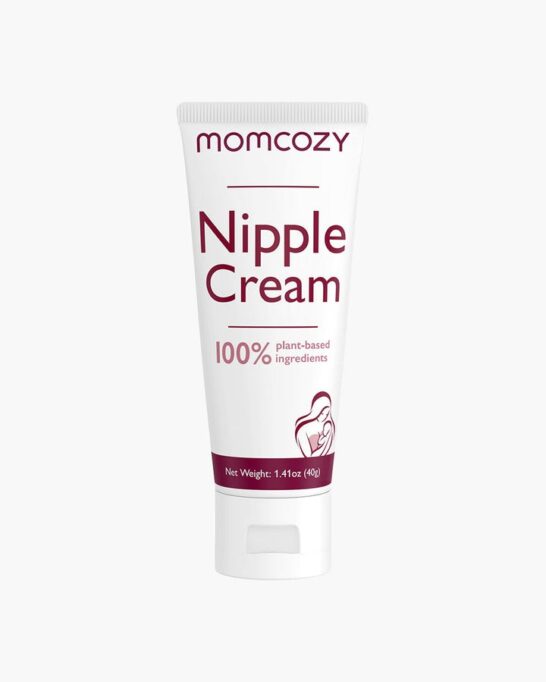
Safety for Mother and Baby
Perhaps the most compelling reason to choose a lanolin-free formula is its hypoallergenic profile. Most lanolin-free creams are formulated without common allergens, artificial fragrances, or harsh preservatives that could irritate sensitive postpartum skin. Because residue from nipple cream may come into contact with your baby during feeding, ingredient safety becomes a shared concern. Plant-based creams typically use food-grade or clinically tested components, meaning no wipe-off is required before nursing — a meaningful reassurance for mothers prioritizing a clean, chemical-free feeding environment.
Non-Greasy and Comfortable Application
One of the most immediate improvements mothers notice when switching to a plant-based nipple cream is the texture. Unlike lanolin’s heavy, petroleum-like consistency, plant-derived formulas absorb more readily into the skin, leaving a comfortable, non-tacky finish. This means no stained nursing bras, no waxy buildup on breast pads, and no uncomfortable residue between feedings. For mothers managing multiple feeds per day, this ease of application isn’t a small detail — it’s a genuine quality-of-life improvement that makes consistent use far more realistic.
Natural and Plant-Based Ingredients
Lanolin-free creams typically feature nourishing botanicals that work synergistically to heal and protect damaged skin. Shea butter provides deep moisture and supports skin elasticity, while coconut oil delivers antimicrobial properties that are especially beneficial for cracked nipples. Calendula extract soothes inflammation and promotes cellular repair, and ingredients like sunflower seed oil help reinforce the skin’s natural lipid barrier. Together, these components address not just the symptom of dryness but the underlying skin damage — offering a genuinely holistic approach to nipple care during breastfeeding.
Lanolin-Free vs. Traditional Creams: A Detailed Comparison
When mothers weigh their options at the pharmacy or online, the choice between lanolin-based and lanolin-free breastfeeding cream often comes down to more than ingredients alone. Factors like how quickly a product works, how it feels on the skin, and whether it fits seamlessly into daily feeding routines all matter. Traditional lanolin creams have had decades to build a reputation, but a closer examination reveals that their advantages are largely based on familiarity rather than superiority. Modern lanolin-free formulas have closed the performance gap considerably — and in several important categories, they’ve pulled ahead.
Effectiveness in Healing and Protection
Clinical experience and growing anecdotal evidence from lactation consultants suggest that lanolin-free creams perform just as well — and often better — at healing damaged nipple tissue. Ingredients like calendula and shea butter actively stimulate skin repair and reduce inflammation, rather than simply sealing moisture in passively. Traditional lanolin creates a barrier but doesn’t contribute nutrients to the healing process. Lanolin-free formulas, by contrast, deliver bioactive compounds that support the skin’s own recovery mechanisms, making them a more dynamic healing solution.
Skin Compatibility and Allergy Considerations
Allergic reactions to lanolin affect a meaningful portion of users, particularly those with wool sensitivities, eczema, or reactive postpartum skin. Lanolin-free alternatives eliminate this risk by relying on hypoallergenic botanical ingredients less likely to provoke immune responses. For mothers who’ve had previous skin sensitivities or are simply cautious about introducing new allergens near their newborn, choosing a lanolin-free breastfeeding cream represents the more skin-compatible, lower-risk choice from the outset.
Choosing the Right Lanolin-Free Nipple Cream: A Buyer’s Guide
With an expanding market of lanolin-free options, finding the right plant-based nipple cream can feel just as daunting as the original problem you’re trying to solve. Not all natural formulas are created equal, and “lanolin-free” alone doesn’t guarantee a product is safe, effective, or worth your money. A more thoughtful approach to selection — one that looks beyond marketing language to actual ingredients, certifications, and community feedback — will serve you far better than impulse-buying the first clean-label product you encounter.
Key Ingredients to Look For
Start by scanning the ingredient list for proven skin-repairing botanicals. Calendula extract is among the most researched for wound healing and inflammation reduction, making it ideal for cracked nipple tissue. Shea butter and coconut oil provide moisture and antimicrobial support, while beeswax offers a gentle protective barrier without the heaviness of lanolin. Sunflower seed oil and jojoba oil are excellent lightweight carriers that absorb cleanly into the skin. Avoid anything with synthetic fragrance, parabens, or phthalates — these add no therapeutic value and increase sensitization risk for both mother and baby.
How to Read Labels and Verify Quality
Packaging terms like “hypoallergenic,” “natural,” and even “lanolin-free” aren’t always regulated, so it pays to look deeper. Check for third-party certifications such as USDA Organic, COSMOS, or NSF, which verify that ingredient sourcing and formulation standards meet independent benchmarks. A short, recognizable ingredient list is generally a good sign — the fewer unpronounceable additives, the lower the risk of irritation. If a product claims to be safe for breastfeeding without rinsing, verify that claim against ingredient transparency rather than taking it at face value. Brands focused specifically on maternal and infant care, such as Momcozy, tend to prioritize this level of ingredient clarity as a baseline standard for their breastfeeding product lines.
User Reviews and Professional Recommendations
Real-world feedback from other breastfeeding mothers offers insights that product labels simply can’t. Look for reviews that mention specific skin concerns similar to yours — sensitivity, cracking, or postpartum dryness — and pay attention to patterns across multiple reviews rather than isolated opinions. Beyond peer feedback, consulting your lactation consultant, midwife, or OB-GYN adds professional context. These providers often track which products their patients respond to well and can help you narrow down choices based on your specific skin type and breastfeeding challenges.
Practical Solutions: How to Use Nipple Cream for Best Results
Choosing the right lanolin-free nipple cream is only half the equation — how you use it matters just as much. Even the most carefully formulated plant-based nipple cream won’t deliver its full benefits if applied incorrectly or inconsistently. A few simple techniques can significantly improve healing time, reduce discomfort between feedings, and help you build a sustainable routine that supports both skin recovery and your overall breastfeeding experience.
Step-by-Step Application Guide
Begin by gently cleansing the nipple area with warm water and patting dry with a soft cloth — avoid soap, which strips natural oils. Take a small amount of cream, roughly the size of a pea, and warm it between your fingertips before applying it in light circular motions across the nipple and areola. Allow 30 to 60 seconds for initial absorption before covering with a nursing bra. Most plant-based formulas require no rinsing before feeding.
Integrating Cream Use into Breastfeeding Routines
Apply your nipple cream immediately after each feeding session while skin is still slightly warm and most receptive to absorption. This timing also allows maximum contact time before the next feed. Keep the cream within reach of your nursing station to build consistency. Pair regular application with proper latch correction — since latch issues are often the root cause of nipple damage — for the most effective long-term relief.
Making the Switch to Lanolin-Free for Safer, Smarter Breastfeeding
The case for lanolin-free nipple cream isn’t built on trends — it’s grounded in real improvements to safety, comfort, and healing performance. From eliminating the allergy risks and pesticide residues associated with animal-derived lanolin, to delivering bioactive plant ingredients that actively repair damaged skin, the advantages are both practical and meaningful. Mothers deserve skincare solutions that work with their bodies rather than against them, and that keep their babies safe during every feeding.
Throughout this article, we’ve seen how plant-based formulas outperform traditional creams in texture, ingredient transparency, and skin compatibility. We’ve also explored how to shop.