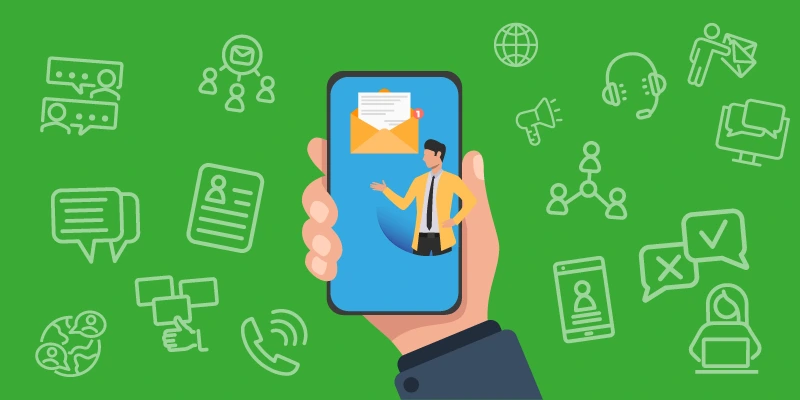
Text messaging has evolved from a simple communication tool into one of the most effective marketing channels available to businesses. Consumers carry their mobile phones throughout the day, making SMS a highly direct and immediate way to communicate important information, promotional offers, appointment reminders, and personalized updates. While email and social media remain valuable parts of digital marketing strategies, SMS consistently stands out because messages are typically viewed within minutes of delivery. This combination of speed and visibility makes text messaging especially effective for businesses seeking stronger customer engagement.
However, successful SMS marketing is not simply about sending promotional messages. The most effective campaigns provide timely, relevant, and valuable information that customers actually appreciate receiving. Businesses across many industries have demonstrated that thoughtful SMS campaigns can increase sales, improve customer satisfaction, strengthen loyalty, and encourage repeat business. Examining practical examples from different sectors illustrates why text messaging continues to play such an important role in modern customer communication.
Why SMS Marketing Works
Several characteristics make SMS marketing uniquely effective. Unlike crowded email inboxes or constantly changing social media algorithms, text messages appear directly within a customer’s mobile messaging application. Most recipients notice incoming messages almost immediately, creating opportunities for rapid engagement.
SMS is also concise by nature. Businesses must communicate clearly and efficiently, reducing unnecessary complexity. Customers appreciate messages that respect their time while providing useful information or meaningful offers.
Permission-based marketing further strengthens effectiveness. Customers who choose to receive text messages have already expressed interest in hearing from a business. This creates a more receptive audience compared to many traditional advertising methods.
The combination of immediacy, simplicity, and relevance explains why organizations continue expanding their SMS marketing efforts across numerous industries.
Understanding SMS Marketing Examples
Many organizations searching for sms marketing examples want to understand how successful businesses communicate with customers through text messaging. Strong sms marketing examples demonstrate that effective campaigns focus on delivering value rather than simply promoting products. Appointment reminders, flash sales, loyalty rewards, shipping notifications, personalized recommendations, and event updates all illustrate how businesses use SMS to strengthen customer relationships.
Rather than overwhelming subscribers with constant promotions, successful campaigns send messages at appropriate times with clear calls to action. Personalization, convenience, and relevance consistently distinguish high-performing SMS marketing examples from less effective campaigns.
Studying these practical applications helps businesses identify strategies that can be adapted to their own industries and customer needs.
Retail Promotions That Encourage Action
Retail companies frequently use SMS to promote limited-time offers and product launches. Imagine a clothing retailer announcing a weekend sale with a message stating that subscribers receive early access before the general public. The text includes a promotional code and a direct link to the online store.
This type of campaign performs well because it creates urgency while rewarding loyal subscribers. Customers feel they are receiving exclusive benefits, increasing the likelihood that they will browse products and complete purchases before the promotion expires.
Retailers also use SMS to notify customers when popular items are back in stock or when abandoned shopping carts qualify for special incentives. These reminders help recover potential sales without appearing intrusive.
The effectiveness of retail SMS campaigns depends on timing, exclusivity, and relevance rather than simply offering discounts.
Restaurants And Hospitality Build Repeat Business
Restaurants have embraced SMS marketing to communicate daily specials, reservation confirmations, and loyalty rewards. Consider a local restaurant that sends subscribers a text featuring a limited-time lunch special available only that day.
Because dining decisions are often made within a short timeframe, immediate communication proves especially valuable. Customers who receive timely offers while considering meal options may be more likely to visit.
Hotels and travel companies also benefit from SMS communication. Booking confirmations, check-in reminders, weather updates, and personalized travel recommendations improve customer experiences while reducing uncertainty.
Hospitality businesses often combine operational updates with promotional opportunities, creating communications that feel helpful rather than purely commercial.
This balance strengthens customer satisfaction while encouraging repeat visits.
Healthcare Improves Communication
Healthcare providers use SMS differently than many retail organizations. Rather than focusing primarily on promotions, medical practices often emphasize convenience and patient engagement.
Appointment reminders help reduce missed visits while improving scheduling efficiency. Patients may also receive follow-up care instructions, prescription refill notifications, wellness reminders, or vaccination announcements.
For example, a dental office might send a reminder two days before an appointment, followed by a confirmation request. This simple communication reduces scheduling gaps while helping patients stay organized.
Because healthcare messages provide practical value, patients often appreciate receiving them. Improved communication contributes to better attendance rates and stronger relationships between providers and patients.
These campaigns demonstrate that SMS can improve customer experiences even when direct sales are not the primary objective.
E-Commerce Creates Personalized Experiences
Online retailers frequently combine customer data with SMS marketing to deliver highly personalized experiences. Instead of sending identical promotions to every subscriber, businesses tailor recommendations according to browsing behavior or previous purchases.
A customer who recently purchased running shoes might later receive a message highlighting new athletic apparel or accessories that complement the original purchase. Personalization increases relevance while demonstrating that the business understands customer preferences.
Shipping notifications represent another highly effective application. Customers appreciate updates confirming orders, tracking shipments, and announcing deliveries. These operational messages strengthen confidence while creating additional opportunities for engagement.
Many businesses also include product review requests after delivery, encouraging customer feedback and supporting future purchasing decisions.
Personalized communication consistently generates stronger engagement than generic promotional campaigns.
Service Businesses Strengthen Customer Loyalty
Service providers such as salons, automotive repair shops, fitness centers, and home maintenance companies use SMS to maintain ongoing relationships with customers.
A salon may remind clients when it is time to schedule another appointment based on previous visits. Automotive service centers often send maintenance reminders tied to mileage intervals or seasonal inspections.
Fitness centers successfully use motivational messages, class reminders, and membership updates to encourage continued participation. These communications support customer goals while reinforcing ongoing relationships.
Rather than constantly promoting additional services, successful service businesses focus on providing timely information that customers genuinely find useful.
Helpful communication naturally contributes to stronger loyalty and increased customer retention.
What Makes Campaigns Successful
Despite differences among industries, successful SMS campaigns share several common characteristics. Personalization remains one of the most important. Customers respond more positively when messages reflect their interests, purchase histories, or previous interactions.
Clear calls to action also improve results. Messages should explain exactly what recipients are encouraged to do, whether redeeming an offer, confirming an appointment, visiting a website, or completing a purchase.
Frequency requires careful attention. Excessive messaging can quickly reduce engagement and increase unsubscribe rates. Businesses achieve better outcomes by sending fewer, higher-quality communications that provide genuine value.
Timing further influences effectiveness. Retail promotions often perform well before weekends, while restaurants benefit from lunchtime messaging, and service providers may schedule reminders several days before appointments.
Respecting customer preferences helps preserve long-term trust and engagement.
Building Long-Term Customer Relationships
The greatest value of SMS marketing extends beyond immediate sales. Consistent, thoughtful communication strengthens relationships that encourage repeat business over time.
Customers appreciate brands that provide useful updates, personalized recommendations, exclusive rewards, and convenient reminders without overwhelming them. Trust develops gradually through positive experiences rather than aggressive promotion.
Businesses that integrate SMS into broader customer relationship strategies often achieve stronger loyalty because communication feels helpful instead of intrusive. Combining operational messages with occasional promotional offers creates balanced interactions that support both customer satisfaction and business objectives.
As mobile communication continues evolving, SMS remains one of the most reliable ways to reach customers quickly and effectively. Organizations across retail, healthcare, hospitality, e-commerce, and service industries have demonstrated that carefully planned text messaging campaigns can increase engagement, improve customer experiences, drive sales, and strengthen long-term loyalty.
Ultimately, the most successful SMS marketing campaigns are built on a simple principle. Every message should provide value that makes customers glad they chose to receive it.