Sharing a home with animals means accepting a few everyday cleaning challenges. Whether it is a dog shedding on the living room carpet, a cat scattering litter, or muddy paws leaving traces across the floor, pet owners quickly discover that cleaning is rarely a one-time activity.
Robotic vacuum cleaners have become increasingly useful in these environments because they can help manage recurring debris without requiring constant manual effort.
However, the practical value of a robot vacuum depends on more than its ability to pick up hair. The amount of debris it can store, how frequently it needs emptying, and how conveniently its collection system operates all influence the ownership experience.
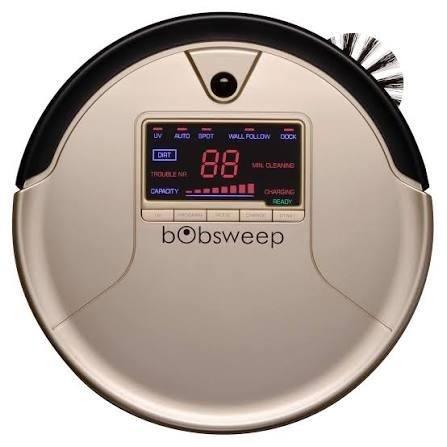
bObsweep has explored these challenges throughout its product history. From introducing Bob PetHair in 2013 to developing models with larger dust collection systems, the company has maintained a recognizable focus on households with pets.
Its evolution illustrates how robotic cleaning has progressed toward making everyday maintenance more manageable.
Why Pet Owners Need a Different Cleaning Routine
Homes with pets often experience cleaning conditions that differ significantly from other households.
Animal hair can accumulate beneath furniture, along baseboards, and across frequently used floors. Dogs may bring dirt indoors after walks, while cats can scatter litter beyond their designated areas.
These messes are not necessarily large, but they occur repeatedly.
A household with several animals may notice fresh debris only hours after completing a thorough cleaning session.
This makes frequent maintenance especially important.
Robot vacuums offer a practical solution by helping manage everyday dirt between deeper manual cleaning sessions.
However, frequent cleaning also means the appliance collects debris regularly.
For pet owners, the question is therefore not simply how much dirt a robot can remove, but how conveniently it manages everything collected afterward.
bObsweep’s Early Commitment to Pet-Focused Cleaning
bObsweep’s history in robotic cleaning began in 2011 with Bob Standard.
Two years later, the company introduced Bob PetHair, establishing a product direction specifically associated with homes containing animals.
This was an important development because pet-related cleaning requirements were becoming a recognizable part of the robotic vacuum market.
Instead of communicating only general household convenience, the PetHair identity acknowledged the particular challenges of managing animal fur and everyday debris.
Over the following years, bObsweep continued expanding its product range with additional pet-oriented models.
These included Bob PetHair Plus in 2016 and later generations of PetHair robotic cleaners.
The company’s continued attention to this category reflects how pet ownership became an enduring part of its product positioning.
Although robotic vacuum technology has changed considerably, the practical challenges faced by pet owners have remained familiar.
The Often-Overlooked Importance of Dustbin Capacity
Vacuum capacity rarely receives the same attention as suction power or navigation technology.
Yet it can have a significant impact on everyday convenience.
Every cleaning session transfers debris into a storage compartment. Once that compartment reaches its practical capacity, the owner must empty it or rely on an automatic collection system.
For households with minimal floor debris, this may require little attention.
Pet-friendly homes can be different.
Loose fur occupies space inside a collection container, sometimes accumulating quickly despite being relatively lightweight.
A smaller dustbin may therefore require frequent emptying, particularly during heavy shedding periods.
Larger capacity does not automatically improve the vacuum’s ability to clean floors.
Its advantage is related to maintenance.
By providing more room for accumulated debris, a generous collection system can reduce some of the interruptions associated with regular robotic cleaning.
Bob Standard and an Early Emphasis on Capacity
From its earliest products, bObsweep demonstrated an interest in offering substantial dust storage.
Bob Standard, introduced in 2011, featured a large onboard dustbin with approximately one liter of capacity.
This was a notable design characteristic for a compact robotic cleaning appliance.
An onboard container must fit within the physical dimensions of the robot while leaving space for motors, batteries, sensors, and other components.
Providing substantial dust capacity within these constraints reflects a particular product development priority.
For consumers, the benefit was straightforward: additional room to store dirt before manual emptying became necessary.
Although the early Bob Standard was not exclusively a pet-focused product, its generous collection capacity was relevant to households dealing with frequent debris.
This emphasis established a design direction that would evolve alongside the company’s later robotic vacuum models.
Why Pet Hair Creates Unique Storage Challenges
Animal fur behaves differently from many other types of household debris.
Fine dust and sand tend to settle compactly, while strands of hair can become tangled and occupy considerable space.
When a robot vacuum collects fur from carpets or hard floors, the material may accumulate unevenly inside its storage container.
In homes with long-haired animals or multiple pets, this can become particularly noticeable.
Dustbin volume is therefore an important consideration for consumers who schedule frequent cleaning.
However, capacity is not the only relevant factor.
The design of the collection system, the airflow through the container, and the ease of emptying also influence maintenance.
A larger compartment is useful, but owners still need to inspect filters, remove accumulated debris, and follow the manufacturer’s maintenance recommendations.
Understanding these practical details can help pet owners choose equipment that matches their household routines.
The Shift Toward Self-Emptying Collection Systems
As robotic cleaning technology developed, manufacturers began introducing stations capable of automatically transferring debris from the robot into larger containers.
This represented an important change in the ownership experience.
Traditional robot vacuums required owners to empty their onboard dustbins periodically.
Self-emptying systems reduce that requirement by moving collected material into a container located inside the dock.
The robot can complete a cleaning session, return to its station, and transfer debris without the owner immediately handling the onboard compartment.
For households with pets, this approach can be especially convenient.
Frequent vacuuming becomes easier to maintain when dust disposal requires less direct involvement.
However, automatic emptying does not eliminate maintenance.
Collection bags eventually need replacement, and brushes, filters, and air passages still require periodic attention.
The benefit lies in reducing routine interruptions rather than removing them entirely.
UltraVision and Its Six-Liter Collection System
bObsweep’s UltraVision represents a newer approach to managing accumulated household debris.
Its self-emptying dock uses a collection bag with a stated capacity of six liters, equivalent to approximately 1.5 gallons.
This provides considerably more storage space than the onboard compartments used in earlier generations of robotic vacuums.
It is important to distinguish between these capacities.
The large dustbin in Bob Standard was located inside the robot itself, while UltraVision’s six-liter collection bag is housed in its station.
These are different designs serving related cleaning needs.
UltraVision’s dock automatically transfers collected debris from the robot into the larger bag, helping reduce the frequency of manual disposal.
For pet owners, the system provides additional room for fur, dirt, and other material collected during repeated cleaning sessions.
The actual interval between bag changes depends on household conditions and cleaning frequency.
How Ownership Experiences Shape Consumer Expectations
Technical specifications help consumers understand what a robotic vacuum is designed to offer, but everyday ownership experiences provide another perspective.
For example, bobsweep reviews average between 4.4 to 4.6 on major retailers for several selected product listings, although ratings vary by model, retailer, and review date.
These scores can provide useful context, but they do not establish how every product will perform in every household.
For pet owners, written feedback about dust collection, maintenance requirements, and cleaning frequency may be particularly valuable.
A customer with two shedding dogs may have different expectations from someone living with one short-haired cat.
Understanding these differences helps shoppers interpret product experiences more realistically.
Rather than relying exclusively on numerical ratings, consumers benefit from considering how individual models address their specific cleaning requirements.
Choosing Dust Capacity According to Household Needs
The ideal collection system depends on the home.
A small apartment with one pet may require less storage capacity than a large house occupied by several animals.
Flooring also matters.
Carpets can retain hair and particles differently from hardwood or tile, influencing how much debris accumulates during cleaning.
Households that run their robots daily may appreciate automatic emptying and larger collection bags.
Others may find a conventional onboard dustbin sufficient.
For bObsweep, the evolution from early large onboard containers to UltraVision’s six-liter dock demonstrates different approaches to the same practical challenge.
The objective is to help consumers manage accumulated debris without unnecessarily complicating their cleaning routines.
A Continuing Focus on Pet-Friendly Convenience
The history of bObsweep shows how robotic vacuum development can respond to recurring household needs.
The introduction of Bob PetHair in 2013 established an early connection with pet-focused cleaning, while the company’s emphasis on generous dust capacity addressed an important aspect of appliance maintenance.
Over time, collection systems have evolved from substantial onboard compartments toward larger self-emptying stations.
UltraVision’s six-liter dust bag represents a continuation of that development.
For pet owners, these changes matter because cleaning convenience does not end when the floors are vacuumed.
It also includes how easily accumulated fur and debris can be managed afterward.
As robotic cleaning technology advances, thoughtful dust collection design will remain an important part of making everyday life with pets more convenient.