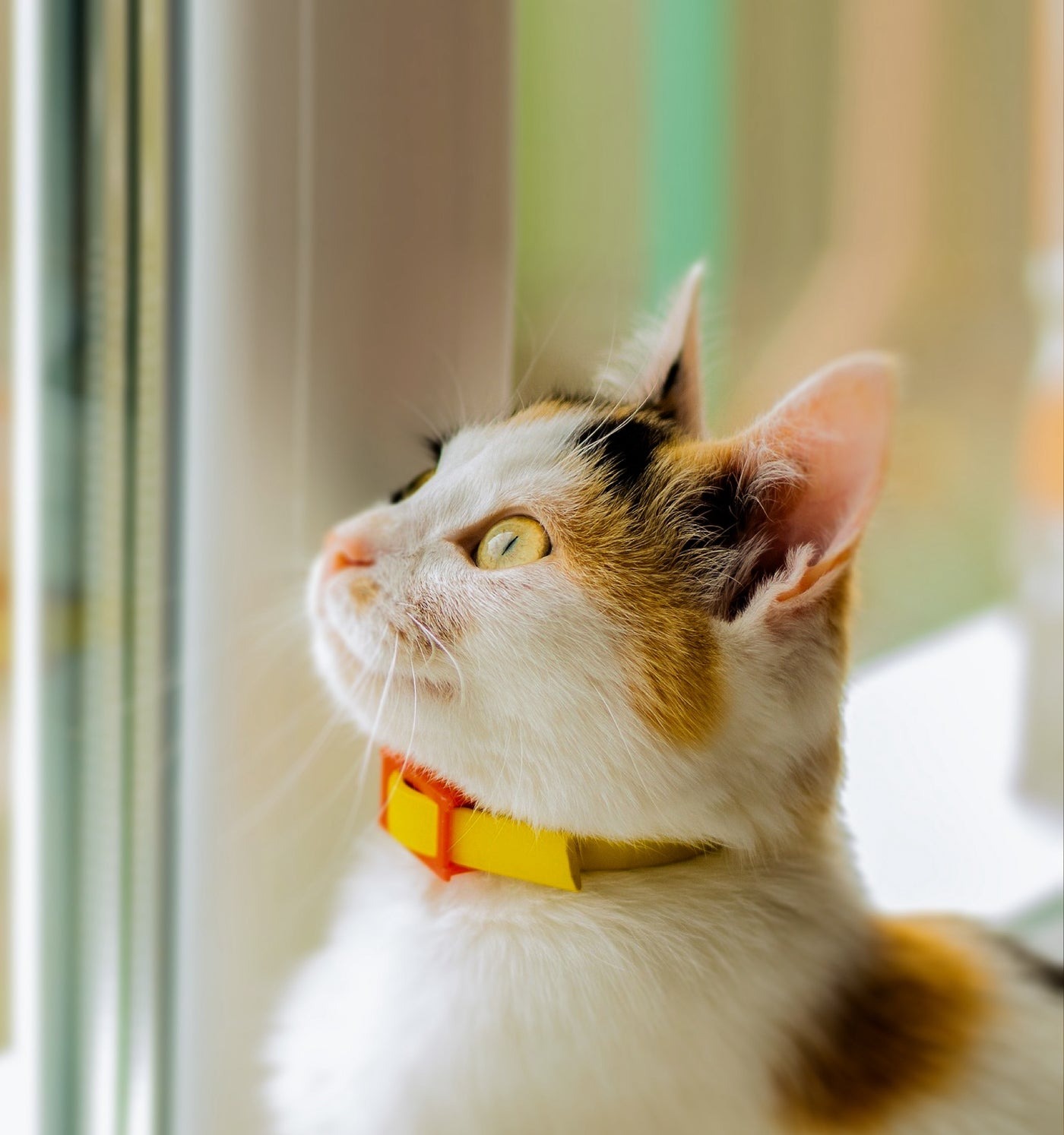
Every year, millions of cats go missing — in the United States alone, an estimated one in three pets will become lost at some point in their lifetime. For cat owners, that statistic isn’t just a number; it’s a source of constant worry every time their curious companion slips out the door or leaps over the backyard fence.
As pet safety becomes an increasingly pressing concern, technology has stepped in with a compelling solution: cat GPS trackers designed specifically for cats. These compact devices attach to your cat’s collar and allow you to monitor their whereabouts in real time, offering genuine peace of mind. The challenge, however, lies in finding a tracker that pairs advanced features with a subscription plan that won’t strain your wallet.
This article is designed for tech-savvy pet enthusiasts who want the best of both worlds — cutting-edge pet tracking capabilities and cost-effective pricing. We’ll break down the most valuable features to look for, compare subscription options, and explore how GPS trackers fit into the broader landscape of modern pet technology. By the end, you’ll have everything you need to make a smart, informed decision for your cat’s safety.
The Importance of Pet Safety: Why Cat GPS Trackers Are Essential
Cats are naturally curious and independent creatures, which makes them particularly vulnerable to outdoor hazards. From busy roads and territorial wildlife to the simple misfortune of wandering too far from home, the risks cats face beyond your front door are both numerous and unpredictable. Unlike dogs, cats often roam without supervision, making it significantly harder to know where they are at any given moment — or to act quickly when something goes wrong.
This is where GPS trackers have become a genuine game-changer for pet safety. Rather than relying on luck or a neighbor’s tip-off, owners can pinpoint their cat’s exact location within seconds. The emotional relief that comes with that capability is hard to overstate. The frantic search through neighborhoods, the handmade flyers, the sleepless nights — GPS technology can make all of that unnecessary.
Beyond emergency recovery, there’s a quieter, everyday benefit: the confidence to let your cat enjoy the outdoors without constant anxiety. Knowing you can check in at any moment transforms the experience of cat ownership from one of worry to one of genuine enjoyment. For families with children who are attached to a beloved pet, that peace of mind extends to the whole household. Investing in a reliable tracker isn’t just a practical decision — it’s an emotional one, rooted in the very real bond between cats and the people who love them.
Exploring Advanced Pet Tracking Features for Your Cat
Modern cat GPS trackers have evolved well beyond simple location pinging. Today’s devices pack a surprising range of capabilities that speak directly to what tech-savvy pet owners actually need — not just to find a lost cat, but to understand their pet’s daily life in meaningful ways. As pet technology continues to advance, the gap between basic trackers and genuinely intelligent monitoring systems has narrowed considerably, making premium features more accessible than ever before.
The three capabilities that matter most are real-time location tracking, geofencing with alert systems, and activity monitoring. Together, they form a comprehensive safety and wellness toolkit that transforms how owners interact with their cats’ outdoor lives. Whether your cat is a dedicated indoor explorer or a seasoned outdoor adventurer, these features address the full spectrum of pet safety concerns — from sudden escapes to subtle shifts in behavior that might signal a health issue. Devices like the DBDD GPS Tracker are a good example of how these capabilities are being packaged into lightweight, collar-friendly hardware without inflating the subscription cost.
Real-Time Location Tracking: How It Keeps Your Cat Secure
Real-time GPS tracking delivers live location updates directly to your smartphone, typically refreshing every few seconds to every few minutes depending on the device. When your cat slips through an open gate or ventures beyond familiar territory, you can immediately see exactly where they are on an interactive map. This dramatically reduces recovery time in escape scenarios and lets you calmly monitor outdoor adventures without hovering at the window.
Geofencing and Alert Systems for Proactive Pet Safety
Geofencing lets you draw a virtual boundary around your home, yard, or any safe zone your cat frequents. The moment your cat crosses that boundary, you receive an instant push notification on your phone. For indoor-outdoor cats, this is particularly valuable — you can set a comfortable roaming radius and get alerted only when they stray beyond it, striking the right balance between freedom and proactive pet safety.
Activity Monitoring: Insights into Your Cat’s Health and Behavior
Beyond location, many trackers now function as an activity monitor, logging daily movement, rest periods, and exercise levels. This data builds a behavioral baseline over time, making it easier to spot meaningful deviations — a sudden drop in activity, for example, can be an early indicator of illness or injury. As pet technology grows more sophisticated, activity insights are becoming an invaluable bridge between daily observation and informed veterinary conversations.
Choosing a Cost-Effective Subscription Plan for GPS Tracking
Owning a cat GPS tracker is only half the equation — the subscription plan powering it determines how useful the device actually is day to day. For tech-savvy pet owners, navigating the subscription landscape means looking past the headline price and evaluating real value: network reliability, update frequency, and what you’re actually getting for your monthly or annual spend. The good news is that competition in the pet tracking market has pushed providers to offer increasingly flexible and affordable options without sacrificing core functionality.
Before committing to any plan, it’s worth mapping out how your cat actually uses the outdoors. A strictly indoor cat that occasionally escapes has different tracking needs than a confident outdoor roamer who logs miles daily. That usage profile should directly inform which subscription tier makes sense for your household — and how much you’re willing to spend to maintain it.
Monthly vs. Annual Plans: Balancing Flexibility and Savings
Monthly plans offer the obvious advantage of flexibility — you can cancel or switch without penalty, which is useful if you’re testing a new device or your cat’s outdoor access changes seasonally. The trade-off is cost: monthly billing typically runs significantly higher on a per-month basis than committing to a full year upfront. Annual plans reward loyalty with meaningful discounts, often reducing the effective monthly rate by 20 to 40 percent. For owners confident in their tracker choice, the annual route is almost always the smarter financial decision. A practical middle ground worth exploring is a quarterly plan, which some providers offer as a compromise between commitment and savings — giving you a lower rate than monthly without locking in a full year.
Key Factors to Consider in a GPS Tracker Subscription
Beyond pricing structure, several criteria separate a genuinely cost-effective subscription from one that looks affordable on the surface. Network coverage is paramount — a plan running on a limited cellular network will leave gaps in rural areas or dense urban environments where signal is inconsistent. Check whether the subscription includes unlimited location updates or caps refresh frequency at lower tiers. Watch for hidden fees like activation charges, overage costs, or paywalled features such as location history and advanced geofencing. Responsive customer support is another underrated factor; when your cat is missing at midnight, a provider with 24/7 assistance is worth the slight premium. Prioritizing these criteria ensures your subscription plan delivers reliable performance without unexpected costs eroding its affordability.
Integrating Pet Technology: Beyond Cat GPS Trackers
Cat GPS trackers are a powerful starting point, but they represent just one piece of a rapidly expanding pet technology ecosystem. Smart collars, for instance, now go beyond location tracking to monitor heart rate, temperature, and caloric burn — giving owners a fuller picture of their cat’s physical wellbeing throughout the day. Paired with a GPS tracker, these devices create a layered safety net that addresses both immediate emergencies and long-term health trends.
Automated feeders and water fountains with app connectivity let owners maintain feeding schedules remotely, while indoor cameras with motion detection add another layer of awareness for cats that spend time alone. Each of these tools integrates naturally with the data already flowing from your tracker, building a cohesive, tech-driven approach to pet care rather than a collection of disconnected gadgets.
For multi-pet households, the value compounds further. Many GPS tracking platforms support multiple profiles under a single subscription, meaning you can track your dog alongside your cat from the same app interface. This unified approach simplifies management and often reduces overall costs compared to maintaining separate services. As pet technology continues to mature, interoperability between devices will only improve — making now an ideal time to build a connected care setup that grows with your household’s needs.
Practical Steps to Implement GPS Tracking for Your Cat
Getting a GPS tracker up and running doesn’t have to be complicated, but a structured approach ensures you get the most out of your investment from day one. Start by identifying your cat’s specific habits — how often they go outside, how far they typically roam, and whether they spend time in areas with spotty cellular coverage. These details will shape every decision that follows, from device selection to subscription tier.
Once your tracker is active, configure your geofence boundaries immediately and test the alert system before your cat’s next outdoor session. Don’t wait for an emergency to discover a notification delay or a coverage gap. Check the companion app’s settings to ensure location refresh rates match your needs, and review your activity monitoring baseline after the first two weeks of use — this is when meaningful behavioral patterns begin to emerge.
Step 1: Research and Select the Best GPS Tracker
Compare devices based on three non-negotiables: battery life, network compatibility, and subscription plan flexibility. A tracker with a 48-hour battery that runs on a wide-coverage cellular network will serve most cats reliably. Read user reviews specifically from owners with similar cat habits to yours.
Step 2: Set Up Your Device and Subscription
Follow the manufacturer’s app setup guide carefully, paying close attention to GPS calibration steps. When selecting your subscription plan, choose based on your cat’s actual outdoor frequency rather than worst-case scenarios — you can always upgrade if your needs change.
Step 3: Monitor and Optimize Usage for Long-Term Safety
Schedule a monthly review of your tracker’s activity data and geofence settings. Adjust boundaries seasonally as your cat’s roaming patterns shift, and keep firmware updated to access the latest pet safety improvements your provider rolls out.
Making the Smart Choice for Your Cat’s Safety and Peace of Mind
Cat GPS trackers have fundamentally changed what it means to keep a pet safe in the modern world. Throughout this article, we’ve explored why these devices matter — from the very real risks cats face outdoors to the emotional reassurance that comes with knowing exactly where your companion is at any moment. Advanced features like real-time location tracking, geofencing alerts, and activity monitoring aren’t luxuries reserved for high-end users; they’re practical tools that any cat owner can leverage to build a safer, more informed relationship with their pet.
Finding a cost-effective subscription plan is equally important. Whether you opt for the flexibility of monthly billing or the savings of an annual commitment, the right plan ensures your tracker delivers consistent, reliable performance without hidden costs eating into its value. And as the broader pet technology ecosystem continues to grow, your GPS tracker becomes the cornerstone of a smarter, more connected approach to cat care.
For tech-savvy pet enthusiasts, the path forward is clear: invest in a quality tracker, choose a subscription that matches your cat’s actual habits, and take advantage of the rich data these devices provide. The future of pet technology promises even tighter integration between devices, deeper health insights, and more intuitive interfaces — making now the perfect moment to get started. Your cat’s safety is worth it.