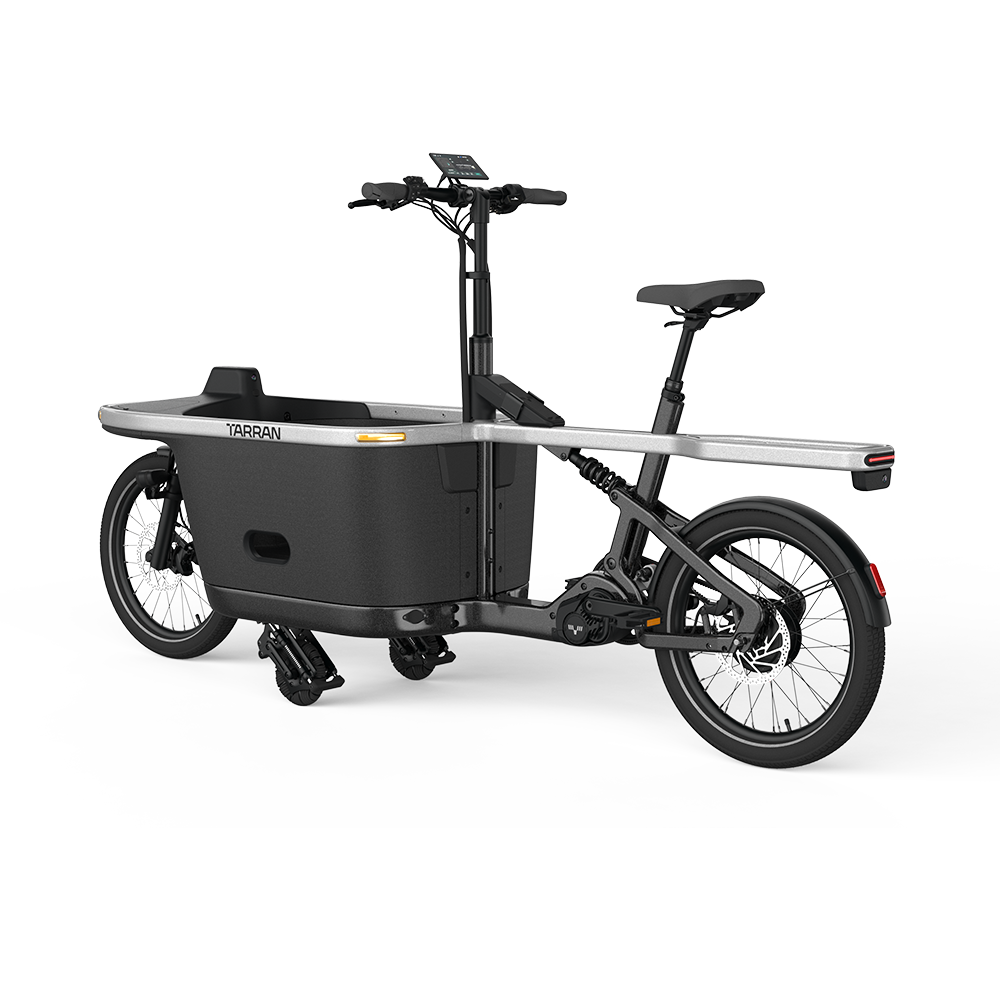
Electric cargobikes are quietly transforming urban transport, offering a cleaner, more practical alternative to cars for hauling groceries, gear, and even kids across the city. As adoption accelerates, riders are discovering that raw carrying capacity is only half the equation — battery power is the true backbone of every capable cargobike, dictating how far you can ride, how much you can carry, and how confidently you can tackle demanding terrain.
For tech-savvy riders who expect more than a basic pedal assist, squeezing every watt-hour from a battery system is both a practical goal and a satisfying challenge. Whether you’re commuting daily with a full load or exploring longer routes on weekends, understanding and optimizing your battery setup makes the difference between a frustrating cutoff and a ride that genuinely delivers.
This guide walks you through everything that matters — from the physics of battery performance and the efficiency advantages of mid-drive motors, to smart management routines and the connectivity features of the TARRAN App. Each section provides actionable steps designed to help you get higher performance, longer range, and greater longevity from your electric cargobike’s power system.
Understanding Battery Power in Electric Cargobikes
At its core, battery power in an electric cargobike determines everything from how far you can travel on a single charge to how confidently your motor handles a loaded cargo deck. Two metrics define this relationship most clearly: watt-hours (Wh) and voltage. Watt-hours measure the total energy stored in a battery pack — think of it as the fuel tank. Voltage, meanwhile, influences how forcefully that energy is delivered to the motor. A higher-voltage system generally produces more responsive acceleration and better performance under load, which matters enormously when you’re hauling cargo through stop-and-go traffic or climbing a steep urban grade.
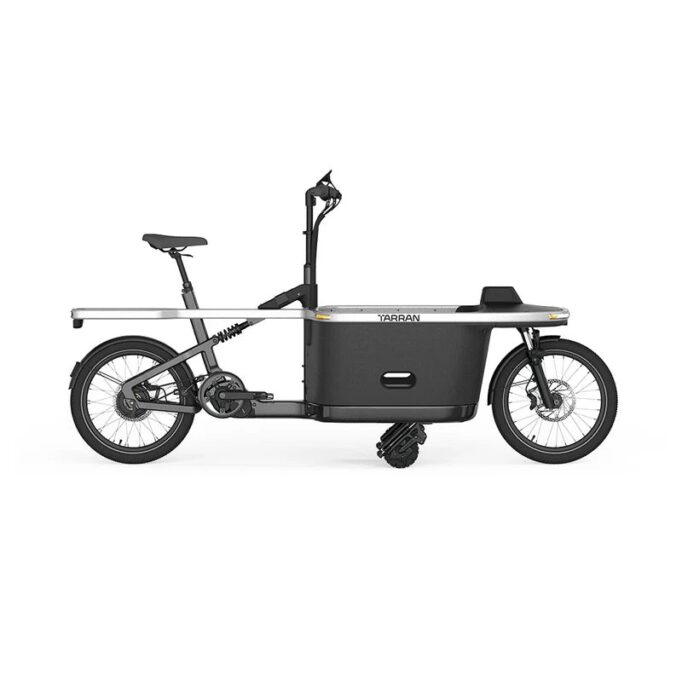
For tech-savvy riders, understanding these numbers isn’t just academic — it’s the foundation of every meaningful optimization decision. Knowing your battery’s capacity helps you plan routes intelligently, while tracking voltage drop under load reveals how efficiently your system is actually performing versus its rated specs. Range anxiety fades quickly once you understand the real relationship between payload, assist level, and energy draw. Optimization matters here because cargobikes operate under conditions that standard e-bikes rarely face: heavier loads, longer daily distances, and more demanding terrain. Treating battery power as a dynamic, manageable resource rather than a fixed limitation is what separates riders who consistently get strong performance from those who are constantly caught short.
Key Factors Affecting Battery Performance and Longevity
Battery performance doesn’t degrade in a vacuum — it responds directly to how you ride, charge, and store your cargobike. The four variables that matter most are charging habits, ambient temperature, terrain demands, and payload weight. Each one compounds the others, meaning a cold morning ride with a heavy load on a hilly route will draw significantly more from your battery than the same distance on flat ground in mild weather.
Charging habits are arguably the most controllable factor. Consistently charging to 100% and draining to near-zero accelerates cell degradation over time. A practical baseline: keep your battery between 20% and 80% for daily use, reserving full charges for longer planned rides. Temperature is equally critical — lithium cells lose efficiency below 5°C and suffer permanent capacity loss when charged in freezing conditions. Store and charge your bike indoors when temperatures drop. On the terrain and load side, steep grades and heavier cargo directly increase motor current draw, which strains the battery under sustained effort. Before optimizing further, establish a baseline by noting your real-world range under typical load conditions, your average assist level, and how quickly voltage drops during climbs. This snapshot gives you a measurable starting point, making it far easier to identify where efficiency gains are actually available rather than guessing at improvements.
Optimizing with Mid-Drive Motors for Enhanced Power
When it comes to extracting the most from your battery, motor placement is one of the most consequential hardware decisions in any cargobike build. Mid-drive motors, positioned at the bottom bracket between the pedals, work fundamentally differently from hub motors mounted in the wheel. Rather than applying force directly to the wheel, a mid-drive unit drives the chain, allowing it to leverage the bike’s existing gear system. This means the motor can spin at its optimal RPM regardless of your road speed, maintaining peak efficiency across a far wider range of conditions than a hub motor can manage.
Hub motors, by contrast, are locked to wheel speed. On flat ground they perform adequately, but under load or on climbs, they often operate outside their efficiency band, drawing more current to compensate — which translates directly to faster battery drain. For a cargobike carrying substantial weight, this inefficiency compounds quickly over a typical commute. The integration advantage of mid-drive systems also extends to how power is metered: because these motors read cadence and torque simultaneously, assist delivery feels smoother and more proportional, reducing the energy spikes that occur when a hub motor lurches to compensate for sudden load changes.
Benefits of Mid-Drive Motors in Cargobikes
For riders hauling cargo daily, the practical benefits of mid-drive motors go well beyond raw power figures. Weight distribution is the first and most immediate advantage — centralizing the motor mass low and between the wheels keeps handling predictable even with a loaded front or rear rack. Hill climbing performance is where the difference becomes most tangible: by dropping to a lower gear, the motor maintains its efficient torque output without overheating or drawing excessive current from the battery. Over a hilly commute, this can extend real-world range by 15–25% compared to an equivalent hub-motor setup under the same load. For tech-savvy riders who monitor ride data closely, mid-drive systems also offer richer telemetry integration, feeding accurate torque and cadence data into connected apps like TARRAN for more precise efficiency tuning.
Smart Battery Management Techniques
Even the best battery system degrades faster than it should when basic management practices are ignored. Smart battery management isn’t about obsessive monitoring — it’s about building a handful of consistent habits that compound into significantly longer battery life and more reliable range over months and years of daily cargo hauling.
Start with your charging routine. Avoid leaving the battery on the charger overnight once it reaches full capacity — most lithium packs experience measurable stress when held at 100% for extended periods. For daily commuting, charging to around 80% is the practical sweet spot, preserving cell chemistry without sacrificing usable range. Use the full 100% charge only when a longer ride genuinely demands it. On the discharge side, try not to let the battery fall below 15% regularly; deep discharges accelerate capacity fade over time.
Storage conditions matter more than most riders realize. If you’re not riding for more than a week, store the battery at roughly 50–60% charge in a cool, dry location away from direct sunlight or freezing temperatures. Lithium cells stored fully charged or fully depleted for long periods lose capacity permanently — a precaution that takes seconds but saves significant replacement cost.
For ongoing health monitoring, periodically run a full discharge-to-charge cycle every two to three months to recalibrate your battery management system’s state-of-charge readings. Track your real-world range under consistent load conditions every few weeks. A noticeable drop — say, more than 10% over a season — is an early signal worth investigating before it becomes a larger issue. These steps, taken together, keep your battery performing close to its original specification far longer than neglect ever would.
Leveraging the TARRAN App for Connectivity and Control
Hardware optimization only goes so far — the real edge for tech-savvy riders comes from software that turns raw performance data into actionable insight. The TARRAN App bridges the gap between your cargobike’s onboard systems and your decision-making, giving you a live window into battery state, motor behavior, and ride efficiency that no analog gauge can match. For riders who treat their cargobike as a serious daily tool rather than a casual accessory, this kind of connectivity transforms how you plan, ride, and maintain your setup.
At the most practical level, the app delivers real-time battery monitoring — not just a percentage readout, but voltage trends, estimated remaining range under current load, and alerts when draw spikes beyond efficient thresholds. Ride analytics go deeper, logging energy consumption per kilometer across different routes, assist levels, and payload conditions. Over time, this data reveals patterns that are impossible to spot ride by ride: which segments drain your battery disproportionately, how temperature shifts affect your real-world range, and whether your charging habits are reflected in long-term capacity retention.
Features of the TARRAN App for Optimization
The TARRAN App’s optimization toolkit centers on three practical functions. Battery diagnostics surface cell-level health data, flagging imbalances or degradation trends before they become range problems — check this monthly and after any unusual performance drop. Power mode adjustments let you fine-tune assist curves directly from your phone, matching motor output to your actual load rather than relying on fixed presets; for heavy cargo days, dialing back peak assist slightly and smoothing the torque curve can extend range without meaningfully affecting ride feel. Firmware updates push motor controller improvements and efficiency refinements automatically, keeping your system current without manual intervention. To integrate app data effectively, review your weekly ride summary every Sunday, adjust your default power mode based on the upcoming week’s expected loads, and act on any diagnostic alerts within 48 hours rather than letting minor issues compound.
Step-by-Step Guide to Optimizing Your Electric Cargobike
Bringing everything together into a repeatable routine is where optimization shifts from theory to measurable results. Follow these four steps to systematically improve your cargobike’s battery performance and overall efficiency.
First, assess your current setup. Record your real-world range under a typical load, note your average assist level, and check your battery’s state-of-health through the TARRAN App’s diagnostics panel. This baseline tells you exactly where you’re starting and makes every subsequent improvement quantifiable rather than guesswork.
Second, complete your hardware checks. Inspect mid-drive motor alignment — a misaligned chainline forces the motor to work harder and wastes energy with every pedal stroke. Verify that your drivetrain is clean and well-lubricated, since friction losses compound under cargo weight. Confirm tire pressure matches the manufacturer’s recommended range for your current load; underinflated tires alone can reduce range by 5–10%.
Third, configure your software through the TARRAN App. Set your default power mode to match your most common riding conditions rather than defaulting to maximum assist. Program a charge limit alert at 80% for daily use and review your ride analytics to identify the routes or segments where energy consumption spikes disproportionately.
Fourth, lock in your daily best practices. Charge consistently within the 20–80% window, store the battery indoors during cold weather, and review your weekly ride summary every few days to catch efficiency changes early. Applied consistently, these four steps compound into significantly better range, longer battery life, and a cargobike that reliably performs at its best.
Maximizing Battery Performance for Long-Term Cargobike Efficiency
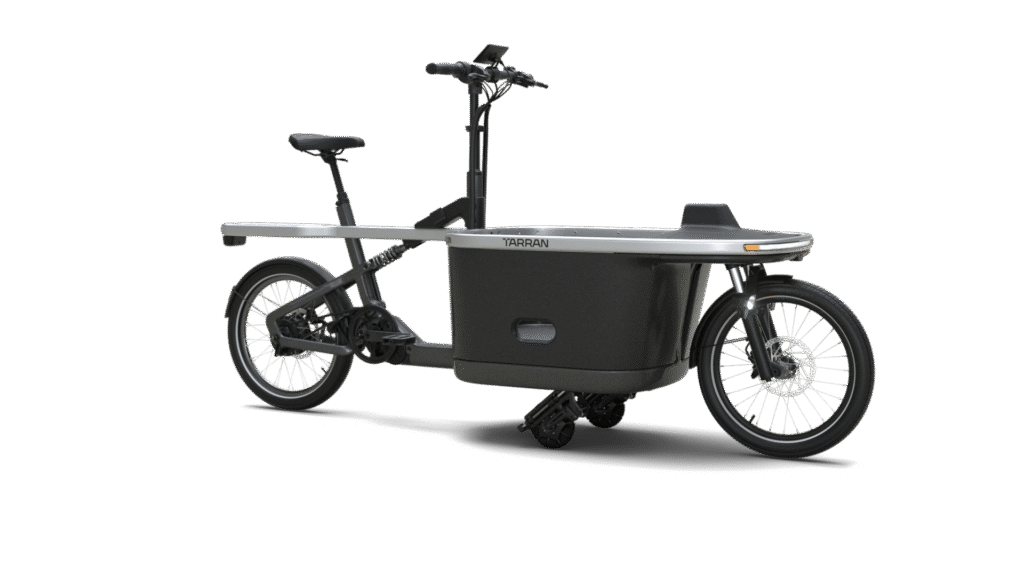
Optimizing battery power in an electric cargobike isn’t a single fix — it’s a layered process that rewards consistent attention to hardware, habits, and data. The fundamentals covered here work together: understanding watt-hours and voltage gives you the foundation; managing charging cycles, temperature, and load conditions protects long-term capacity; and choosing a mid-drive motor ensures that every watt-hour your battery delivers is used as efficiently as possible under real cargo loads.
Smart management and connected tools close the loop. The TARRAN App turns abstract battery data into decisions you can act on — adjusting power modes before a heavy day, catching cell degradation early, and building a clear picture of how your riding patterns affect long-term performance. For tech-savvy riders, this connectivity is what elevates a cargobike from a capable machine into a genuinely optimized daily tool.
The step-by-step framework in this guide gives you a repeatable starting point: assess, check hardware, configure software, and reinforce daily best practices. Apply these consistently and the results are measurable — more reliable range, slower capacity fade, and a cargobike that handles demanding urban conditions without compromise. Start with one change today, track the difference, and build from there.