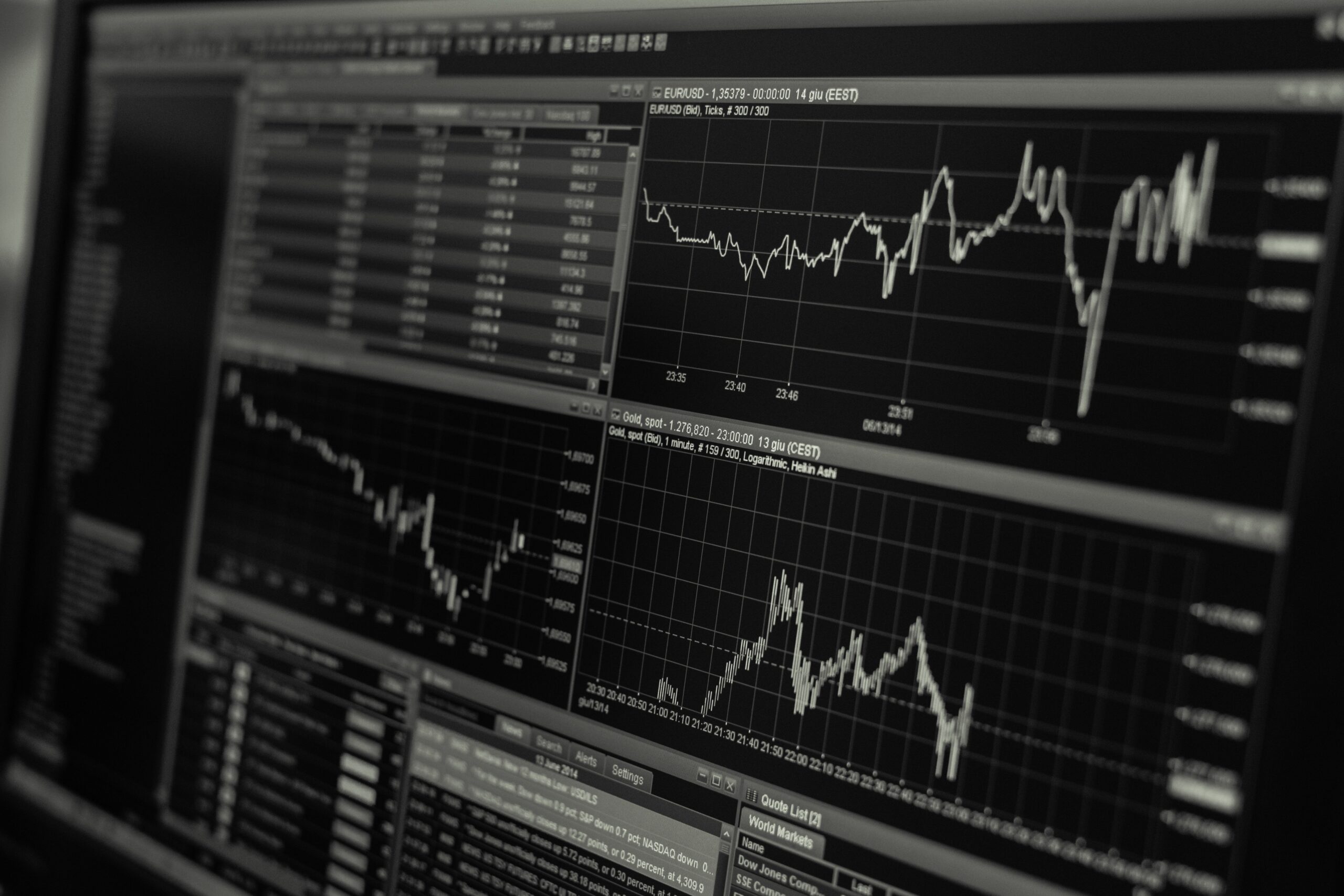
The rise of online trading has created numerous opportunities for traders in the global financial market. One trading instrument that has gained popularity in recent times is CFD trading. Unlike stocks, commodities, crypto, and forex, trading CFDs doesn’t require traders to invest in the underlying assets.
However, the growing popularity of online trading has also attracted scammers looking to exploit investors. Most of these CFD trading scams rely on aggressive sales tactics to pressure people into depositing money quickly.
In this guide, we cover some of the most common CFD trading scams and provide practical tips to help you trade more safely and confidently online.
Warning Signs of a Fraudulent CFD Broker
Many CFD corporate scams present themselves as legitimate, well-established trading platforms. Being able to spot the warning signs can help you avoid costly mistakes and protect your money. Below are some of the warning signs you should watch out for.
§ Unrealistic Profit Promises
One of the most common red flags is promises of unrealistic high returns. A CFD stocks scam frequently advertises guaranteed returns, “risk-free trading,” or extremely high monthly profits. Beware of such CFD trader scams and avoid any CFD broker making such claims.
§ Lack of Proper Regulation
Reputable brokers, if you head over at this website, operate under strict regulations from recognized global or local financial authorities. If you cannot find the broker on any official regulator’s website, it is a strong indicator of potential fraud.
§ Aggressive Sales Tactics
Marketing claims like “slots are running out” or “only a limited number of traders will be allowed to sign up” are a sign of a broker running a fraudulent scheme. They will even spam you with messages and emails encouraging you to register and deposit funds into an account.
How to Verify if a CFD Broker Is Legitimate
Before depositing any money with a CFD broker, confirm that the platform is properly regulated and operating legally. Here are the steps to take when verifying whether a broker is legit.
§ Check the Regulatory Status
Legitimate CFD brokers have licenses from tier-one local or global financial regulators. The regulators enforce strict rules designed to protect traders and ensure the broker doesn’t take advantage of you.
Before signing up, verify the license number directly on the regulator’s official website rather than trusting what the broker displays on its platform.
§ Confirm the Company Details
Some CFD scams even use website spoofing to lure unsuspecting traders. Start by cross-checking the website address before signing up. Moreover, take some time to verify the business name, physical office address, and incorporation details.
§ Read Reviews
We cannot classify every CFD broker as a scam just because they are using aggressive marketing techniques. However, reviews from trusted financial forums, trading communities, and third-party platforms will tell you a lot about the broker’s reputation.
While no broker is perfect, repeated negative patterns are a serious warning sign and will help you identify whether they are running a CFD global scam.
Wrapping up
Most CFD scams do not rely on complex technology; they succeed by exploiting a lack of experience, fear of missing out tactics, and unrealistic promises of guaranteed returns. Taking a few minutes to read reviews and run background checks is enough to spot many CFD trading scams.