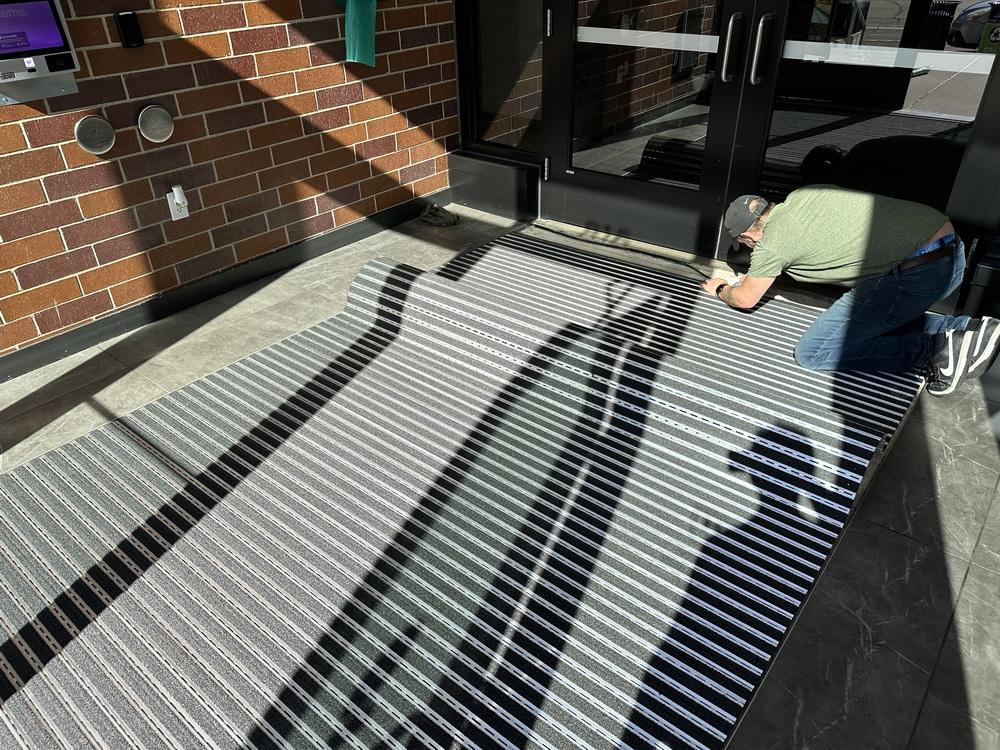
Restaurant owners often treat entrance mats as an afterthought, picking whatever size happens to be in stock at a local supplier. That habit tends to leave gaps at the edges, mats that curl at the corners within weeks, or coverage too shallow to catch monsoon mud before it reaches the dining floor. Getting the measurement and ordering process right the first time saves a second purchase six months later.
Why Measuring Matters More Than It Seems
A mat that’s even two inches short on either side leaves an exposed strip of flooring that collects grit and moisture anyway, which defeats the purpose of having a mat at all. Restaurants in cities with heavy monsoon footfall, Mumbai, Pune and Kolkata among them, run into this constantly. Staff end up mopping the same two inch gap every twenty minutes during peak rain.
Custom sizing also affects door clearance. A mat that’s too thick or slightly oversized can catch on a door’s bottom edge. It’s a common complaint with imported standard size mats that weren’t designed around Indian door heights.
Measuring the Entrance Space
Getting the Width Right
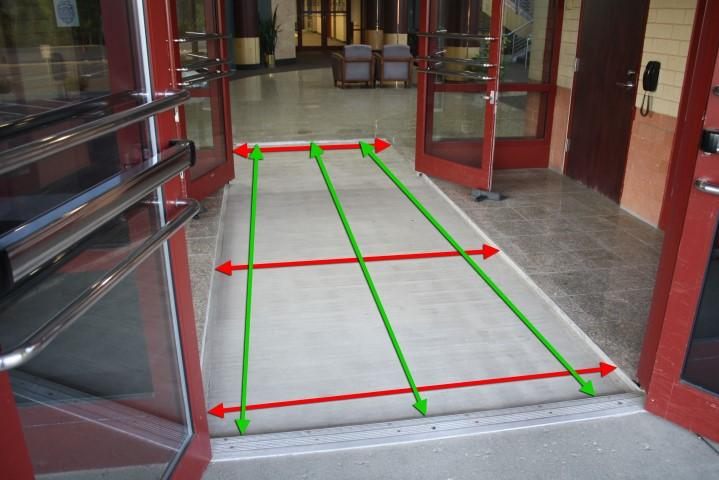
Start by measuring the width of the doorway opening itself, then the width of the vestibule or foyer beyond it. These two numbers are rarely the same. For a single door, the mat width usually needs to run four to six inches wider than the door frame on each side, enough to catch foot traffic angling in from either direction.
Getting the Depth Right
Depth matters more than most owners expect. Flooring safety guidance recommends mats deep enough for a person to take three or four full strides before stepping onto the main floor. That works out to roughly six to eight feet in most restaurant entrances.
A practical way to approach the measuring itself.
- Measure door frame width, then vestibule width, and use the larger number minus clearance needed for door swing
- Measure depth from the outer threshold to where the dining or waiting area visually begins
- Note any obstructions such as pillars, reception counters or planters that would force an L shaped or two piece mat instead of one rectangle
- Check ceiling mounted or floor mounted door closers, since these sometimes eat into usable depth by a few inches
For entrances with double doors or a revolving door setup, it helps to measure both leaves independently rather than assume they’re symmetrical. Older commercial doors in India often aren’t.
Door Swing, Thresholds and Traffic Flow
Door swing direction changes where the mat’s leading edge should sit. An inward swinging door needs the mat set back far enough that the door doesn’t drag across it every time it opens. Left unchecked, that drag shortens the mat’s usable life right at the fold line.
Threshold height is the other detail owners tend to skip. Most recessed frame mats need a threshold depth of around 12 to 15mm to sit flush. Anything shallower and the mat sits proud of the floor, which turns it into a trip point rather than a safety feature.
Choosing Mat Type and Material by Zone
Not every part of an entrance needs the same mat. A scraper style mat at the outer threshold handles grit and gravel, while a shorter, denser wiper mat just inside the door absorbs residual moisture before guests reach carpet or polished flooring.
For restaurants specifically, hygiene compliance is part of the flooring conversation and not separate from it. FSSAI’s catering sector guidance sets out layout and surface requirements meant to prevent contamination in and around food handling areas. That’s one reason many restaurant owners now specify washable, non absorbent mat materials rather than jute or coir at the main entrance.
One India based manufacturer, Ultimats, builds entrance mats to the exact width and depth a client sends over instead of working off standard catalogue sizes. That’s closer to how most restaurant fit outs actually get specified, against a floor plan rather than a size chart.
What to Ask a Manufacturer Before Ordering
Before placing an order, a few questions tend to save a lot of back and forth later.
- Can the mat be supplied in a non rectangular shape if the entrance has an angled wall or pillar?
- What’s the backing material, and is it rated for the specific flooring underneath, whether that’s marble, vitrified tile or epoxy?
- What’s the expected lead time for a custom size compared to a stock size?
- Is there a minimum order quantity, and does that change the per unit price meaningfully?
It’s also worth asking for a physical sample swatch before committing to a large mat, since colour and texture often look different on screen than they do under a restaurant’s actual lighting.
Installation and Maintenance Once the Mat Arrives
Fit is only half the job. Placement affects how long a mat lasts just as much. A mat installed with any lift at the corners becomes a trip hazard within days, so it’s worth checking all four corners sit flat before the first service.
Cleaning frequency depends on footfall rather than a fixed schedule. A restaurant doing 200 plus covers a day during monsoon season needs the entrance mat vacuumed or hosed down daily, not weekly. Trapped grit under a mat abrades the flooring beneath it over time if it’s left too long.
Getting the measurements right at the start, door width, vestibule depth, threshold height and any obstructions, is what separates a mat that lasts two years from one that needs replacing after six months. It’s a fifteen minute measuring job most restaurant owners skip, and the mat is usually the first thing to show it.