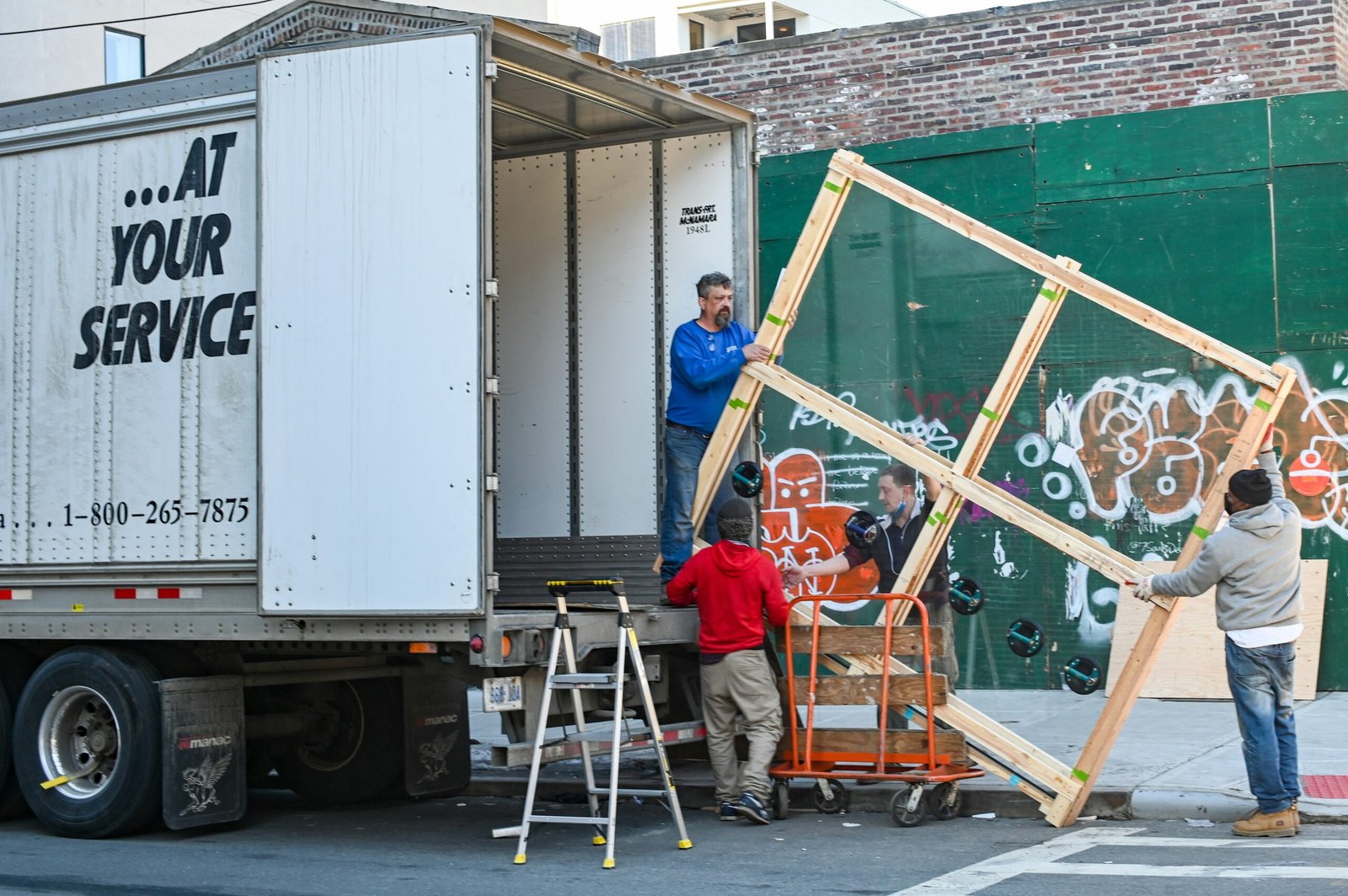
There’s a moment every homeowner hits, standing in front of a pile of junk, mentally calculating whether to handle it themselves or just call someone. It’s not a small decision either. Get it wrong and you’re either overpaying for a job you could’ve knocked out in twenty minutes, or you’re three hours deep into a Saturday, sweaty and regretful, wrestling a filing cabinet into the back of a hatchback that clearly wasn’t built for this.
When DIY Actually Makes Sense
Let’s give DIY its due, because sometimes it genuinely is the smarter call. A single bag of general rubbish, a couple of boxes for the council pickup, one small item that fits easily in your own car — none of this needs a professional team showing up with a truck. If the job is small, light, and doesn’t require multiple trips, doing it yourself costs nothing but a bit of time and effort.
- A handful of bags or boxes that fit in your existing car
- A single lightweight item you can carry without strain
- Rubbish that’s already sorted and ready for standard council collection
- No time pressure, no deadline forcing a same-day solution
Where DIY Starts Falling Apart
The trouble kicks in once volume, weight, or awkward shapes enter the picture. A single mattress seems manageable until you’re trying to fold it through a doorway at an angle nothing was designed for. A garage clean-out seems doable until trip three to the tip, when you realise the whole afternoon’s gone and there’s still a pile left over. DIY scales badly. What works fine for a small job becomes genuinely miserable once the pile gets bigger.
The Real Cost Comparison
Here’s the bit people underestimate. DIY isn’t free, it just hides its costs differently. Trailer hire, fuel for multiple trips, tip fees that charge by weight or volume, and your own time, which is worth something even when it’s unpaid. Professional removal has an upfront, visible cost, which feels bigger in the moment, but often works out cheaper once every hidden DIY expense gets added up honestly.
It’s worth actually running the numbers before assuming one option beats the other by default. This piece on DIY rubbish removal, when and how to do it yourself breaks down exactly which situations genuinely suit the DIY route, and which ones are secretly costing more time and money than people realise.
Physical Risk: An Underrated Factor
Heavy, bulky, awkwardly shaped items are genuinely risky to move without the right technique or equipment. Old fridges, wardrobes, box mattresses — these aren’t just heavy, they’re unwieldy, and plenty of DIY attempts end with a strained back or a bruised shin. Professional teams do this daily, they know how to shift awkward loads safely, and that experience isn’t nothing.
Time Pressure Changes the Calculation
If you’ve got weeks to slowly work through a clear-out, DIY becomes far more viable, since you can spread trips out and avoid the crunch. But if you’re facing a moving deadline, a property settlement date, or a landlord inspection next Tuesday, that flexibility disappears, and the speed of professional same-day removal suddenly matters a whole lot more than saving a bit of cash.
Sorting and Recycling: Where Professionals Quietly Win
DIY tip runs almost always end up mixing everything into general waste, purely because sorting recyclables at a public facility is a hassle nobody wants mid-Saturday. Professional services generally have established sorting systems and recycling relationships already in place, meaning more of what you’re clearing out ends up reused rather than buried. It’s a quiet advantage that doesn’t show up in the sticker price, but it matters.
Access and Awkward Situations
Narrow terrace houses, apartments with lift-only access, steep driveways, multi-level properties — these situations make DIY removal genuinely difficult, sometimes bordering on impossible without help. If you’re dealing with anything beyond straightforward ground-level access, factor that into the decision honestly rather than assuming it’ll somehow work out on the day.
A Simple Way to Decide
If it fits in your car in one trip, weighs less than you’d want to lift twice, and there’s no deadline pressure, DIY is fine. Genuinely fine, no shame in it. But if you’re looking at multiple trips, heavy or bulky items, awkward access, or a deadline breathing down your neck, professional removal tends to work out both cheaper and considerably less stressful than it first appears.
Curious what a professional job would actually cost for your situation? Pricing page breaks down how our cubic-metre-based pricing works, so there’s no guessing involved before you decide which route actually makes sense for your pile.
Ask Yourself These Questions First
Before committing to either path, a few honest questions help. Can this fit in my car in a single trip? Can I lift it safely without help? Do I have a firm deadline, or is this flexible? Am I okay with multiple trips if it comes to that? Answering these plainly, rather than optimistically, tends to point pretty clearly toward the right choice.
Mixing Both Approaches Is Also Fine
Nobody says it has to be all one or the other. Plenty of people handle the small, easy stuff themselves and call in professionals for the heavy, bulky, or awkward pieces. This hybrid approach often ends up the most cost-effective option of all, since you’re not paying for help you don’t need, but you’re also not risking your back on the one item that genuinely needed two people and a proper trolley.
What Neighbours and Councils Think
Worth a mention too: piling rubbish on the nature strip ahead of a DIY tip run, or leaving it out waiting for a council pickup date, doesn’t always go down well with neighbours, and some councils have strict rules about what can sit out and for how long. Professional removal skips this entirely, since everything’s gone the same day it’s collected, no waiting period, no risk of a fine for rubbish left out too long.
Trust Your Own Read on the Situation
At the end of the day, nobody knows your garage, your car boot, or your back better than you do. If something about a job feels like it’s going to be more trouble than it’s worth, that instinct is usually right. Listen to it before committing to a Saturday you’ll regret.
So Which One’s Actually Better?
Neither, universally. That’s the honest answer, even if it’s a bit unsatisfying. DIY suits small, light, unhurried jobs. Professional removal suits everything bigger, heavier, more awkward, or more time-sensitive than that. The real skill isn’t picking a side forever, it’s being honest about which category your specific pile of junk actually falls into, and choosing accordingly rather than defaulting to whichever option feels cheaper on the surface.