A home’s exterior is the surface that faces the world permanently, and it is also the one that receives the least design attention relative to how much it is seen. Interior renovations happen in cycles, driven by wear, changing taste, or lifestyle shifts, but the facade tends to stay as it was built for far longer, often becoming dated in ways that affect the overall impression of the property without any single element being obviously wrong. Contemporary design thinking around home exteriors has shifted toward more layered and material-rich facades rather than flat painted surfaces, and the elements available to achieve that have expanded considerably.
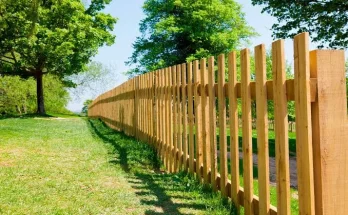
The most significant shift in contemporary Indian home facade design is away from monolithic surfaces and toward a mix of materials and textures that create visual depth. A facade that combines a primary wall surface with a secondary material on specific elements, whether that is the entrance zone, the boundary wall, or the framing around windows and openings, tends to read as more considered and more finished than one that uses a single treatment throughout.
Elements That Add the Most Visual Value
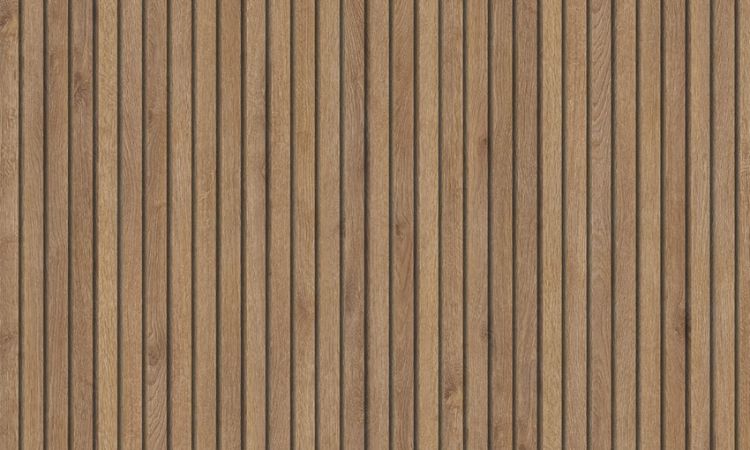
Louvers panels have become one of the most recognizable elements of contemporary facade design in India, and their popularity reflects something real about what they do for an exterior surface. The depth of the ridged profile creates a surface that changes character with the angle of light and the time of day, which means the facade has a visual life that a flat surface does not. In an exterior context, louvers panels also provide a measure of shade and privacy for windows or outdoor seating areas without fully closing off the opening, which is a practical benefit alongside the visual one.
The material the louver is made from matters significantly in an exterior application because the surface needs to handle direct sun, rain, dust, and temperature variation across seasons. Advance Laminates produces louvers panels in finishes suited to both interior and exterior applications, and the available range across this product line is covered on this page on louvers panel, which outlines the formats and finish options relevant to facade applications specifically.
Stone cladding on entrance zones and boundary pillars is a direction that has held consistent ground in Indian home design for several years, and the shift toward stone-look panel and laminate materials for this application reflects the same logic that has driven it in interior contexts. Natural stone on a facade requires maintenance, is heavy, and varies in quality from one supply batch to another. A stone-effect panel material with UV coating offers a more predictable result at lower weight and maintenance burden.
Vertical green elements, whether planted or artificial, have become a stronger feature in contemporary facades, particularly for homes in urban settings where greenery at street level is limited. A planted wall panel on a boundary feature, a climbing plant trained across a metal trellis, or even a planter shelf integrated into the facade design adds a textural and color contrast that no material surface fully replicates. The combination of a planted element with an adjacent louver or panel surface in a neutral tone tends to produce the kind of contrast that makes both elements read more clearly.
Entrance Design as the Primary Focal Point
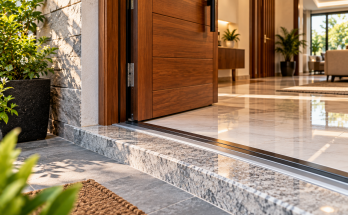
The entrance zone of a home facade carries disproportionate weight in how the whole exterior reads, because it is the point of highest detail and the point toward which the eye moves first. An entrance that is visually rich and material-specific, even when the surrounding facade is relatively simple, creates the impression of a designed exterior rather than a default one. The door itself is part of this, and a door finished with a high-quality surface treatment in a finish that contrasts or complements the surrounding wall makes a difference to the entrance impression that is visible from the street.
The framing around the entrance, whether through a recessed panel, a change in wall finish, a canopy element, or a combination of these, extends the design interest of the door into the surrounding surface in a way that makes the entrance feel intentional. A lamination door design approach, where the door surface carries a finish that connects to the broader facade material palette, is worth considering in the context of a facade renovation because it ties the entrance detail back to the overall exterior rather than treating the door as a standalone element.
Lighting is the final element in a facade composition that is often addressed last but has a larger effect than most of the others. Facade lighting that highlights the texture of a louver panel or a stone surface at night, or that frames the entrance with warm light, changes the reading of the exterior in the evening hours in a way that no surface material can replicate. A facade design that accounts for how it will look after dark, rather than only in daylight, tends to produce a result that reads well across the full day.