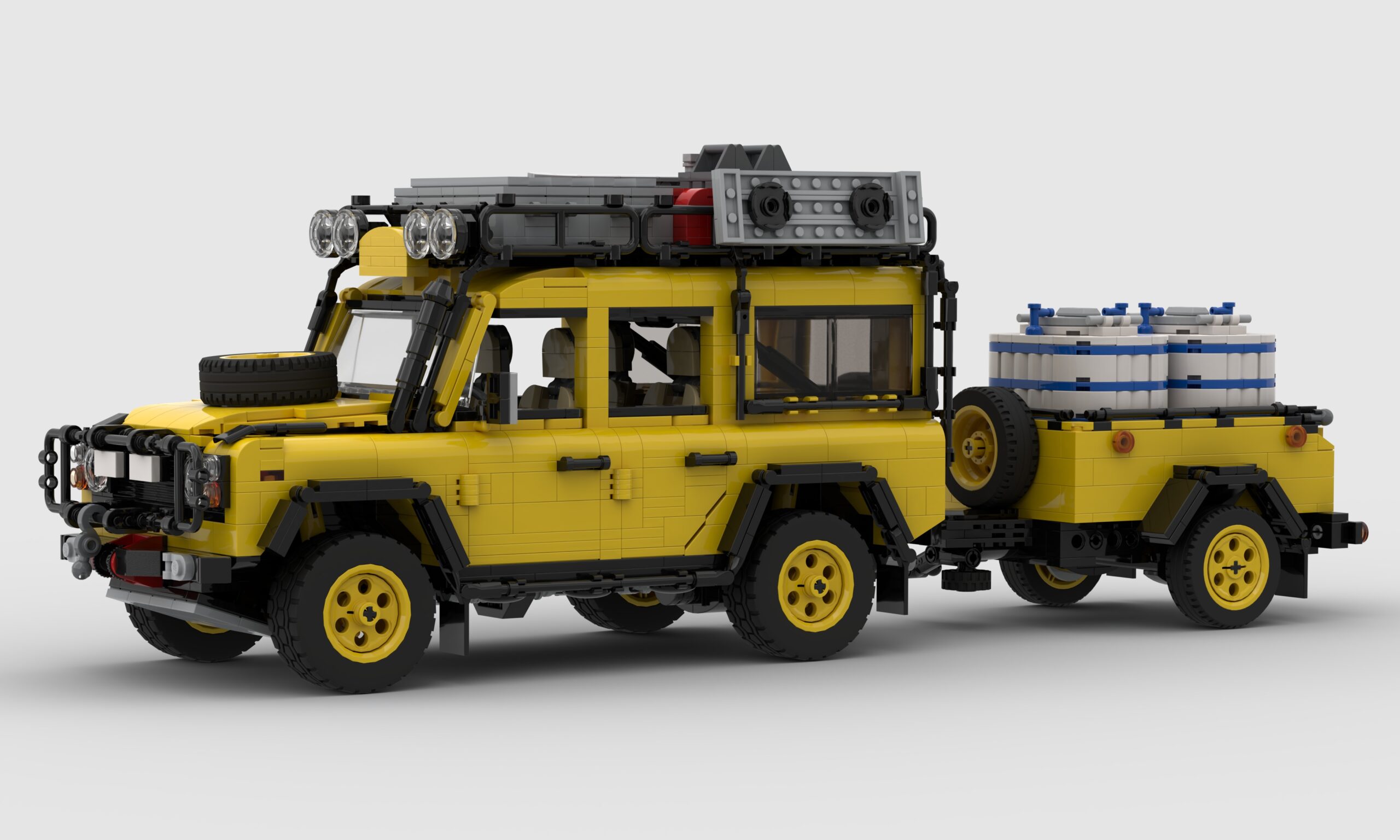
Exploring Australia’s remote tracks is a bucket-list dream for many four-wheel drive enthusiasts, offering unparalleled landscapes and a sense of true freedom. However, travelling through isolated areas presents a unique set of challenges that standard factory vehicles are rarely equipped to handle straight off the showroom floor. Navigating iconic, rugged routes like the 1,600-kilometre Canning Stock Route or the unforgiving Anne Beadell Highway requires extreme self-sufficiency and meticulous planning. Drivers must carry enough fuel, water, and essential supplies to survive up to 1,300 kilometres of off-grid travel where towns are virtually non-existent. Preparing your 4×4 with the right modifications is not just about improving off-road capability for weekend adventures. It is a fundamental necessity to ensure you make it home safely after traversing some of the harshest environments on earth.
Frontal Protection Against Wildlife
Wildlife collisions pose a significant threat in remote areas, especially during dawn and dusk. In fact, Transport for NSW reports that between 2019 and 2023, there were 271 crashes on western NSW roads involving animal strikes, resulting in 179 casualties, with 85 percent of these accidents occurring in high-speed zones. Recent insurance data further highlights the risk, revealing that animal strike incidents across Australia have increased by 22 percent year-on-year. The financial toll is also immense, with kangaroo collisions alone costing motorists over six million dollars annually in out-of-pocket excess payments. The sheer mass of a large kangaroo or emu can instantly disable a radiator, leaving you completely stranded in an area with no mobile reception.
With the average repair claim for an animal collision exceeding five thousand dollars, shielding your engine bay is critical. This is especially true for modern vehicles powered by advanced hybrid technology, where vital components like intercoolers and 48-volt motor generators sit close to the grille. Installing model-tailored frontal protection, such as bull bars for Toyota Prado, ensures your vehicle can withstand sudden impacts on regional tracks. The 2025 Prado 250 Series launched to immense demand, recording 17,000 pre-orders before reaching showrooms, and earned a five-star ANCAP safety rating. Adding compliant frontal protection preserves these crucial safety features while safely accommodating built-in parking sensors, radar cruise control, and heavy-duty recovery winches.
Managing Payload and Weight Distribution
Equipping a modern 4×4 with essential remote driving gear (like steel protection, underbody bash plates, and long-range fuel tanks) will quickly consume a standard factory payload allowance. Many popular four-wheel drives offer a payload of just 700 to 800 kilograms, which must account for passengers, luggage, and all bolt-on accessories. Exceeding this limit severely compromises vehicle handling, drastically extends braking distances, and immediately voids your insurance coverage.
To handle the extra weight of off-road gear safely, drivers must adopt strict weight management strategies. Consider the following steps when preparing your vehicle:
- Weigh your vehicle on a certified public weighbridge to establish a baseline kerb weight before adding heavy accessories, bull bars, or packing for an extended trip.
- Invest in an industry-standard Gross Vehicle Mass (GVM) upgrade. This typically increases your legal load-carrying capacity by 300 to 550 kilograms through engineered, heavy-duty suspension and shock absorber enhancements designed for constant loads.
- Distribute heavy items, like secondary battery systems, portable fridges, and auxiliary water tanks, as low as possible and directly over the axles to maintain a stable centre of gravity and prevent unsafe body roll.
- Stay informed about local state modification laws, as recent shifts in the Australian aftermarket landscape have altered how Second Stage Manufacture approvals are processed for pre-registration GVM upgrades.
Preparing for Remote Emergencies
Mechanical breakdowns or off-road vehicle recoveries in isolated zones can take days to coordinate and incur massive towing fees. Data from the Royal Flying Doctor Service indicates that more than half of all Australian road fatalities occur in remote or regional areas, despite these zones housing less than three percent of the population. This makes preventative maintenance and emergency preparedness critical investments.
Reliable communication is your first line of defence. Government outback safety guidelines emphasise carrying multiple communication devices. A UHF radio is essential for line-of-sight convoy traffic, while an EPIRB beacon or satellite phone is critical for emergency distress signalling in cellular dead zones where standard mobile phones are completely useless. Additionally, installing a long-range antenna can push your UHF signal further across flat desert plains, giving you a better chance of reaching a passing road train if things go wrong.
Alongside communication gear, you must pack robust recovery equipment. Keeping up to date with practical automotive guides and maintenance advice is just as important as the hardware you carry. Packing a safe heavy-duty jump starter, carrying tyre repair kits, and reviewing the nuances of your comprehensive vehicle insurance can prevent a simple flat battery or an unexpected accident from leaving you permanently stranded in the outback. Small preventative measures make a massive difference when you are hundreds of kilometres from the nearest rural mechanic. Ultimately, modifying your 4×4 for remote driving requires a calculated balance of frontal protection, strict weight management, and robust emergency readiness to guarantee a safe, memorable journey.