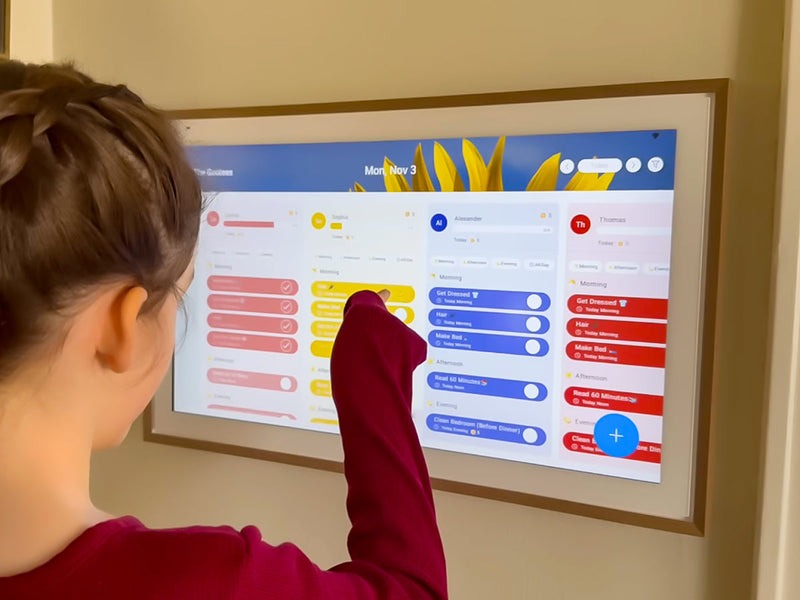
The way we consume entertainment at home has fundamentally changed. Gone are the days when a single television anchored to a living room wall dictated where and how families gathered to watch their favorite content. Today’s smart home enthusiasts crave flexibility — the ability to move seamlessly between rooms, outdoor spaces, and even on-the-go setups without sacrificing screen quality or connectivity. Yet for many tech-savvy individuals, a persistent frustration remains: managing an ever-growing ecosystem of smart devices that don’t always communicate well with each other. Adding another screen to the mix can feel like introducing yet another headache rather than a solution. This is where ApoloSign Portable TVs enter the picture, offering a compelling bridge between mobility and smart home integration. Designed with the connected household in mind, these portable televisions do more than just deliver crisp visuals — they plug directly into your existing smart ecosystem. In this article, we’ll explore how ApoloSign Portable TVs can transform your daily routines, simplify device management, and unlock new possibilities for entertainment, productivity, and learning throughout your home.
The Evolution of Portable Televisions and ApoloSign’s Role in Smart Homes
Portable televisions have come a remarkably long way since the grainy, rabbit-eared miniature sets of the 1960s and 70s. Those early devices offered novelty more than utility — tiny screens with poor reception that served as curiosities rather than genuine entertainment solutions. The digital revolution changed everything. As display technology shrank in size while expanding in capability, portable screens evolved from clunky gadgets into sleek, high-definition companions capable of rivaling their wall-mounted counterparts in visual quality. The real turning point, however, came when manufacturers began treating portable TVs not as standalone novelties but as integral nodes within a connected home.
ApoloSign has positioned itself at the forefront of this transformation. Rather than simply shrinking a traditional television into a smaller form factor, the brand engineered its portable TVs to function as smart devices from the ground up. The result is a lineup that combines vibrant high-definition displays with robust battery life, allowing hours of untethered viewing whether you’re in the kitchen following a recipe, relaxing on the patio, or setting up a temporary workspace in the guest room. The compact, lightweight design means repositioning your screen takes seconds, not a mounting kit and an afternoon of frustration.
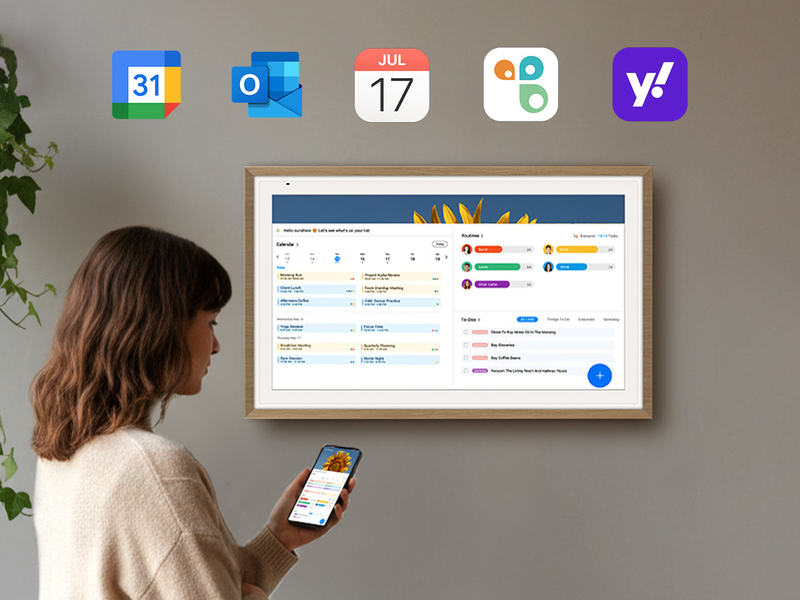
For tech-savvy individuals already managing lighting systems, smart thermostats, security cameras, and voice assistants, the appeal is clear. ApoloSign Portable TVs aren’t just screens — they’re adaptable smart home solutions designed to slot into existing ecosystems without adding complexity. Built-in wireless capabilities and compatibility with major smart platforms mean these devices communicate with the rest of your home rather than operating in isolation.
Key Features of ApoloSign Portable TVs
What sets ApoloSign apart from generic portable screens starts with connectivity. Every model ships with dual-band Wi-Fi and Bluetooth support, ensuring stable streaming whether you’re pulling content from a cloud service or casting directly from your phone. Smart app compatibility extends this further — popular streaming platforms, screen-mirroring protocols, and even smart home dashboard apps run natively, turning the portable TV into a control surface as much as a viewing device. The user interface keeps things intuitive, with a clean home screen that organizes entertainment, smart device controls, and settings without burying features in nested menus. For smart home enthusiasts, the inclusion of HDMI and USB-C inputs alongside wireless options means the TV adapts to virtually any source, from a Raspberry Pi running home automation dashboards to a gaming console moved out to the deck for a weekend gathering. These features collectively address a core need: a single, flexible device that enhances rather than complicates the connected home.
Integrating ApoloSign Portable TVs with Smart Home Solutions
The true value of any smart device like hi pod isn’t measured by its standalone capabilities but by how gracefully it fits into the broader ecosystem you’ve already built. For households running interconnected networks of sensors, speakers, cameras, and automated routines, a new device that demands its own separate workflow is more burden than benefit. ApoloSign engineered its portable TVs with this reality front and center, building in multiple communication protocols that allow the television to participate in your smart home rather than merely coexist alongside it.
Through Wi-Fi connectivity, ApoloSign Portable TVs tap directly into your local network, making them visible to smart home hubs like Samsung SmartThings, Apple HomeKit, and Amazon Echo ecosystems. This means your TV can respond to automated routines — powering on to display a morning news briefing when your smart alarm triggers, or switching to a security camera feed when your doorbell detects motion. Bluetooth pairing adds another layer, enabling quick connections with wireless soundbars, headphones, or keyboards without requiring additional adapters or dongles cluttering your space.
Voice assistant integration takes convenience further. Once linked with Alexa or Google Assistant, you can control the TV entirely hands-free. Changing channels, adjusting volume, launching specific apps, or even asking the TV to display your smart thermostat’s energy report becomes as simple as speaking a command. For households where multiple family members interact with the smart ecosystem differently, this eliminates the friction of hunting for remotes or navigating unfamiliar menus.
Centralized control is where everything converges. By adding your ApoloSign TV to your primary smart home app, it appears alongside every other connected device in a single dashboard. You can build scenes — a “Movie Night” routine that dims smart lights, lowers motorized blinds, sets the soundbar to surround mode, and powers on the portable TV to your preferred streaming app, all triggered by one tap or voice command. This level of orchestration transforms a portable television from a simple screen into an active participant in your home’s intelligence, responding to context and adapting to your habits without requiring manual intervention every time you move it to a new room.
Step-by-Step Setup Guide for Seamless Integration
Getting your ApoloSign Portable TV connected and communicating with your smart home takes just a few minutes when you follow a structured approach. Start by unboxing the unit and charging it fully before the initial power-up — this ensures the battery calibrates properly and the device has enough power to complete firmware updates during setup. Once powered on, the onboarding wizard walks you through language selection and basic display preferences before prompting you to connect to your home Wi-Fi network. Select your network’s 5GHz band when available, as this provides faster throughput for streaming and reduces interference from other household devices competing on the 2.4GHz spectrum.
After establishing a Wi-Fi connection, the TV will check for and install any pending software updates automatically. Let this process complete without interruption, since these updates often include the latest smart home protocol support and security patches. Next, open the settings menu and navigate to the voice assistant section. Choose your preferred assistant — Alexa or Google Assistant — and follow the on-screen pairing instructions, which typically involve signing into your account and granting device permissions. Once paired, test the connection by issuing a simple voice command like “turn off the screen” to confirm two-way communication is working.
To bring the TV into your smart home hub, open your hub’s companion app on your phone and search for new devices. The ApoloSign TV should appear as an available device on your network. Add it, assign it to the appropriate room, and you can immediately begin including it in automated scenes and routines. If the TV doesn’t appear during the device scan, verify that both the TV and your hub are on the same Wi-Fi network and that UPnP or device discovery is enabled on your router. For persistent connectivity drops, repositioning your Wi-Fi router or adding a mesh network node closer to where you primarily use the portable TV resolves most issues. If software glitches occur after updates, a factory reset followed by re-pairing typically clears conflicts without losing your broader smart home configurations.
The Impact of Portable TVs on Daily Life and Training Enhancement
The ripple effect of introducing a truly portable, smart-connected television into your household extends far beyond binge-watching convenience. When a high-quality screen can follow you from room to room without cables or complicated reinstallation, it quietly reshapes how you approach entertainment, work, and personal development throughout the day. Consider the impact on morning routines alone: a portable TV moved to the kitchen counter streams a live news briefing while you prepare breakfast, then relocates to your home office ten minutes later to serve as a secondary monitor during a video conference. That same screen might end up in the garage by evening, displaying a guided workout video while you train. This kind of fluid adaptability eliminates the need to purchase dedicated screens for every space, reducing both clutter and cost while increasing the value you extract from a single device.
For remote professionals, the productivity gains are tangible. ApoloSign Portable TVs function as wireless extended displays, giving you extra screen real estate for spreadsheets, project dashboards, or reference materials during focused work sessions — then folding back into entertainment mode the moment the workday ends. The transition is seamless because the device already lives within your smart ecosystem, switching contexts through a voice command or an automated routine tied to your calendar. Fitness enthusiasts experience a similar training enhancement: rather than squinting at a phone propped against a wall, a portable TV delivers instructor-led classes, real-time heart rate overlays from paired wearables, and post-session analytics on a screen large enough to follow from across the room. Parents find equal value in educational contexts, transforming any quiet corner into a learning station where children engage with interactive lessons, language apps, or science demonstrations on a display that travels wherever focus is best maintained. The cumulative impact is a household where technology adapts to people rather than demanding people adapt to it.
Practical Use Cases for Training and Learning
Online education platforms like Coursera, Khan Academy, and LinkedIn Learning come alive on a screen you can position at the perfect viewing angle in any environment. A nursing student reviewing anatomy modules can set the portable TV on a desk at eye level for detailed study, then carry it to the living room couch for a more relaxed review session — no laptop overheating on their lap, no awkward phone-sized diagrams. Professionals pursuing certifications benefit similarly; a project manager preparing for a PMP exam can display practice questions on the ApoloSign TV while taking notes on a separate tablet, creating a dual-screen study setup that assembles and disassembles in seconds. For interactive family activities, the portable TV becomes a centerpiece for group learning nights — geography quizzes projected from a trivia app, cooking tutorials followed step-by-step in the kitchen, or language practice sessions where the whole family participates. The flexibility to relocate the screen means learning isn’t confined to a single “study room.” A child struggling with math can work through video lessons at the dining table after school, then the same TV moves to the bedroom for a bedtime story read-along. Accessibility is the through line: by removing the friction of fixed installations and tangled cables, ApoloSign Portable TVs make continuous learning a natural, low-effort part of daily life rather than something that requires a dedicated setup every time motivation strikes.
Practical Solutions and Tips for Maximizing Your Smart Home Experience
Getting the most from your ApoloSign Portable TV means thinking strategically about where and how you use it. Placement matters more than you might expect — in the kitchen, position the screen at counter height away from steam and splashes, ideally near a power outlet for extended cooking sessions. In bedrooms, a nightstand or adjustable arm mount keeps the display at a comfortable viewing angle without occupying valuable surface space. For outdoor use on patios or decks, keep the TV under covered areas to avoid direct sunlight washing out the display, and bring it indoors when temperatures drop significantly. Longevity depends on simple habits: avoid draining the battery completely before recharging, clean the screen with a microfiber cloth rather than chemical sprays, and store the unit in its protective case when not in use for extended periods.
Advanced automation unlocks the device’s full potential within your smart home. Create location-based routines that automatically power on the TV and load specific content depending on which room you’ve placed it in — use smart plugs or motion sensors as triggers. Pair the TV with smart speakers in different zones so audio follows you naturally. For households with multiple smart displays, designate the ApoloSign as your roaming secondary screen and configure your hub to push notifications, camera feeds, or calendar reminders to it based on time-of-day rules. These small optimizations compound into a noticeably smoother daily experience.
Troubleshooting Common Integration Challenges
Connectivity drops rank as the most frequent frustration, and the fix is usually straightforward. First, confirm your router’s firmware is current — outdated router software causes erratic device disconnections across all smart home gear, not just the TV. If the portable TV loses connection when moved between rooms, your Wi-Fi signal likely weakens in those areas; a mesh network system or a dedicated access point resolves dead zones permanently. When the TV fails to respond to voice commands after working previously, check that your voice assistant’s linked devices list still includes the TV — account updates or password changes occasionally revoke permissions silently, requiring a quick re-authentication. Software updates occasionally introduce temporary quirks; if the interface behaves unexpectedly after an update, allow twenty-four hours for background optimization processes to complete before taking action. Should problems persist, clear the app cache through the settings menu rather than jumping to a full factory reset. For compatibility conflicts with newer smart home devices, check ApoloSign’s support page for firmware patches, as the brand regularly releases updates that expand protocol support. When all else fails, their technical support team can remotely diagnose integration issues through the companion app’s diagnostic sharing feature.
ApoloSign Portable TVs: The Versatile Visual Layer for Your Connected Home
ApoloSign Portable TVs represent a meaningful shift in how we think about screens within the smart home — not as fixed installations demanding dedicated walls and permanent wiring, but as fluid, intelligent devices that move with you and respond to the rhythms of your day. Throughout this article, we’ve traced the evolution from novelty portable sets to genuinely smart displays, explored how ApoloSign’s connectivity features allow seamless integration with hubs and voice assistants, and examined the tangible impact on productivity, fitness training, and continuous learning. The setup process is straightforward enough to complete in minutes, and the troubleshooting solutions ensure that minor hiccups never derail your connected experience for long. For tech-savvy individuals tired of fragmented ecosystems and single-purpose devices, these portable TVs offer something refreshingly practical: one versatile screen that enhances every room it enters without demanding a new app, a new routine, or a new compromise. As smart home technology continues advancing toward ambient, context-aware intelligence, portable displays like ApoloSign’s will only become more central — serving as the adaptable visual layer that ties your entire connected household together, wherever life happens to take you next.