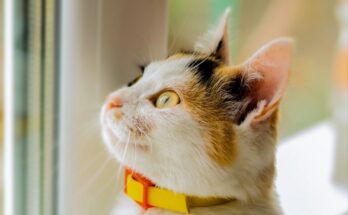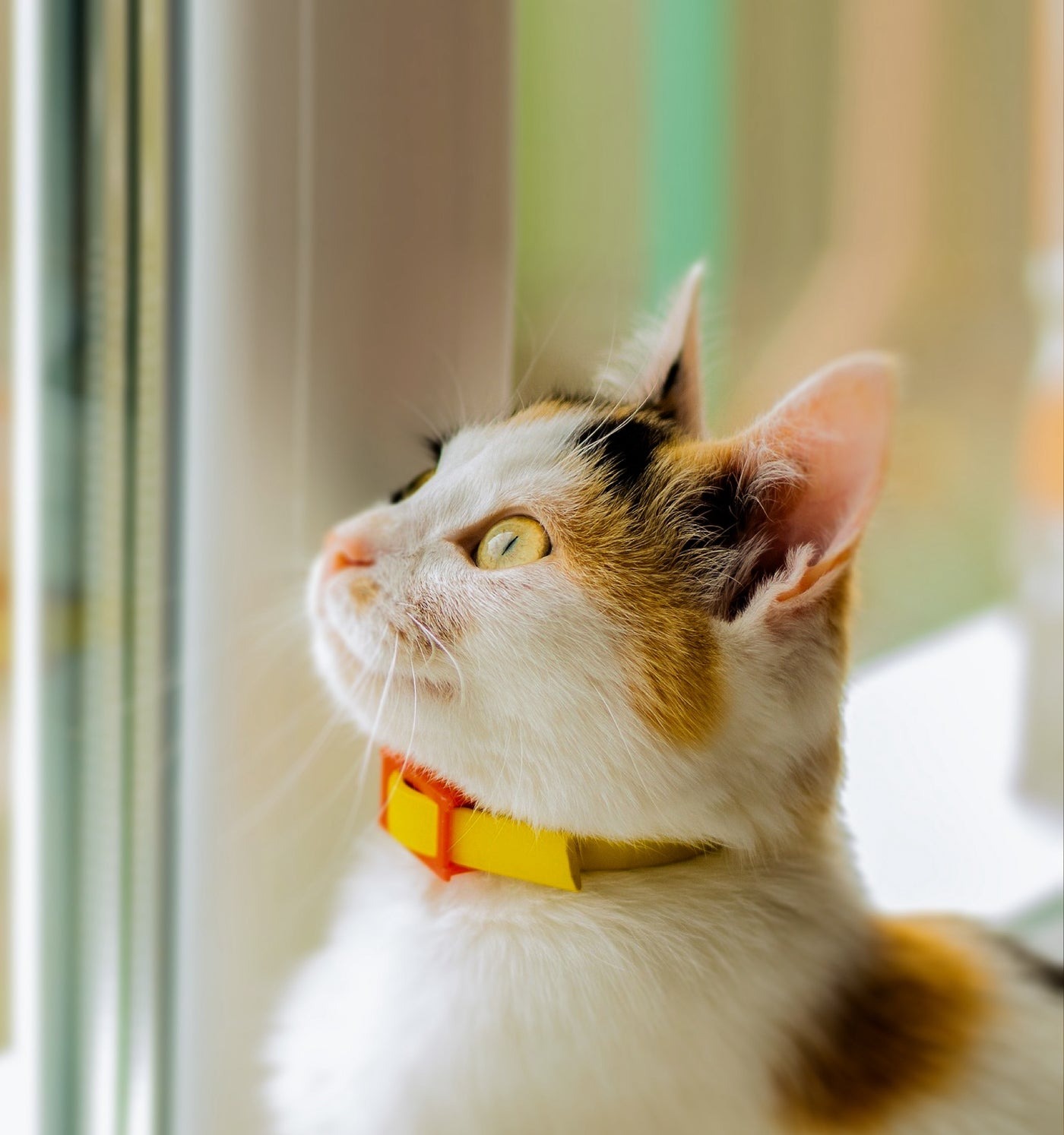
Every year, millions of cats venture outside and never find their way home. Whether they wander too far, get startled by traffic, or fall victim to theft, the dangers facing outdoor cats are very real — and the heartbreak of a missing pet is something no owner should have to experience. As more people welcome cats into their lives, the question of how to keep them safe without confining them indoors has become a pressing concern for pet owners everywhere.
Fortunately, technology has stepped up to meet that challenge. Live GPS trackers designed specifically for cats now make it possible to monitor your pet’s location in real time, set boundaries around safe zones, and even keep tabs on their daily activity levels. These compact devices attach directly to a collar and connect to your smartphone, giving you instant visibility into where your cat is and how they’re doing. From pet safety to activity tracking, modern cat GPS trackers offer a practical, reliable way to protect the animals we love — without limiting their natural curiosity.
What Are Live GPS Trackers for Cats and Why They Matter
A live GPS tracker for cats is a small, lightweight device that attaches to your cat’s collar and transmits their location to your smartphone in real time. Unlike basic radio-frequency trackers or simple Bluetooth tags, these devices combine GPS satellite positioning with cellular network connectivity — typically 4G LTE — to deliver accurate, up-to-the-minute location data no matter how far your cat roams. That combination is what makes them genuinely powerful tools for pet safety rather than just novelty gadgets.
The stakes for cat owners are higher than many people realize. Outdoor and indoor-outdoor cats face a constant range of threats: busy roads, territorial disputes with other animals, and the very real possibility of theft. A live GPS tracker addresses all of these risks by ensuring you always know where your cat is. The moment something seems off — your cat hasn’t returned home, or they’ve moved into an unfamiliar area — you can act immediately rather than waiting and hoping.
Beyond emergency situations, trackers for cats also provide everyday reassurance. Knowing your pet’s typical routes and resting spots helps you understand their habits and quickly identify when something is out of the ordinary. For pet owners who travel or work long hours, that continuous visibility is invaluable. As these devices have become more affordable and user-friendly, they’ve shifted from being a luxury item to an essential component of responsible cat ownership — a practical investment in the long-term safety and well-being of your pet.
How GPS Technology Enhances Cat Safety
Modern cat GPS trackers rely on a network of satellites to pinpoint your pet’s location with impressive accuracy, often within a few meters. The device receives signals from multiple satellites simultaneously, calculates the position, and then transmits that data to a cloud server via a cellular connection. You access this information through a dedicated smartphone app, which typically refreshes every few seconds to give you a genuinely live view of your cat’s whereabouts. Many trackers also log historical movement data, so you can review your cat’s routes over the past hours or days — useful both for understanding their behavior and for retracing their steps if they go missing.
Essential Features of Cat GPS Trackers: Virtual Fences and Activity Tracking
When evaluating cat GPS trackers, two features stand out as genuinely transformative for pet safety: virtual fences and activity tracking. While real-time location is the foundation of any good tracker, these additional capabilities turn a simple locating device into a comprehensive safety and wellness tool. Understanding how each feature works — and what to look for when comparing options — will help you get the most value from your investment.
Virtual Fences: Creating Safe Zones for Your Cat
A virtual fence, also called a geofence, is a digital boundary you draw on a map within your tracker’s app. Once set, the system monitors your cat’s position relative to that boundary and sends an alert the moment they cross it. Setting one up is straightforward: open the app, navigate to the geofencing section, and use your finger to outline a safe zone around your home, yard, or any area you consider secure. Most apps allow you to create multiple zones and customize the radius to fit your specific property.
When your cat breaches the boundary, you receive an instant push notification on your smartphone — giving you a head start before they’ve wandered too far. For indoor-outdoor cats, this is especially practical. You might set a tight perimeter during nighttime hours when risks are higher, then expand it during the day. Some trackers, like the DBDD GPS Tracker, let you schedule different zones for different times, adding another layer of control. Rather than waiting anxiously for your cat to return, you get an early warning that lets you act decisively.
Activity Tracking: Monitoring Your Cat’s Health and Habits
Beyond location, many modern trackers include built-in motion sensors that log your cat’s daily activity — how much they move, rest, and sleep. This data feeds into the companion app, where you can view trends over days or weeks. A sudden drop in activity can signal that something is wrong physically, often before any visible symptoms appear, making early detection a genuine health benefit rather than just a nice-to-have feature.
Over time, activity reports help you establish what’s normal for your individual cat. Younger, more active cats will naturally show different patterns than older or less mobile ones. When you know your cat’s baseline, deviations become meaningful data points rather than guesswork. Some apps even generate weekly wellness summaries you can share with your veterinarian, turning everyday tracking into a practical tool for ongoing pet care and long-term well-being.
How to Choose the Right GPS Tracker for Your Cat: A Step-by-Step Guide
Selecting the right GPS tracker starts with your cat’s physical profile. Lightweight cats — particularly those under 10 pounds — need a device that won’t weigh them down or restrict movement. As a general rule, a tracker should weigh no more than 5% of your cat’s body weight. Compact form factors matter too, since a bulky device can snag on branches or fencing and become a hazard rather than a safety tool.
Battery life is one of the most practical considerations and often the most overlooked. Some trackers offer 48 hours of continuous use, while others stretch to a week or more by using power-saving modes that reduce update frequency when your cat isn’t moving. Think about your cat’s routine honestly — if they spend long stretches outdoors, a tracker that needs daily charging will quickly become unreliable. Look for models that send low-battery alerts so you’re never caught off guard.
Subscription costs are another factor worth scrutinizing upfront. Most live GPS trackers require a monthly or annual cellular data plan to function, and those fees vary significantly between brands. Calculate the total annual cost — device plus subscription — before committing. Waterproofing and durability ratings are equally important; cats don’t avoid rain or puddles on your schedule, so an IPX7 or higher water resistance rating is worth prioritizing.
Finally, spend time evaluating the companion app before purchasing. Read recent user reviews specifically about app reliability, map accuracy, and how responsive the company’s customer support is. A tracker is only as useful as the software behind it — an intuitive, stable app makes the difference between a tool you trust and one you abandon after a frustrating week.
Practical Usage and Setup of GPS Trackers for Maximum Safety
Getting the most from a cat GPS tracker begins before you even power it on. Start by choosing the right collar — a breakaway design is safest for cats, as it releases under pressure if your cat gets snagged on something. The tracker should sit snugly against the collar without dangling, and you should be able to slip two fingers between the collar and your cat’s neck. Avoid attaching the device to a harness unless your cat wears one consistently, since inconsistent use defeats the purpose of continuous monitoring.
Installation and Initial Configuration
Once you’ve secured the tracker to the collar, download the companion app and create your account before powering the device on — this prevents delays during the pairing process. Most trackers connect via Bluetooth for initial setup, then switch to cellular for ongoing tracking. Follow these steps to get started: charge the device fully, power it on, and open the app to scan for the device using the QR code or serial number printed on the unit. Once paired, activate your cellular subscription directly within the app. From there, navigate to the geofencing section and draw your first virtual fence around your home — start with a generous boundary and tighten it once you’ve observed your cat’s normal range. Set your notification preferences to push alerts for boundary breaches and low battery, and configure activity goals based on your cat’s age and typical behavior. Run a short test by carrying the tracker around your yard to confirm location accuracy before putting it on your cat.
Ongoing Management for Optimal Performance
Consistent maintenance keeps the tracker reliable when it matters most. Check battery levels every morning through the app — most dashboards display this prominently. Establish a charging routine tied to something you already do daily, like charging overnight alongside your phone. If you notice signal drops, verify your cat is within cellular coverage; some rural areas have weak 4G reception that affects update frequency. False alerts from virtual fences are usually caused by GPS drift near walls or dense tree cover — adjusting the boundary slightly outward typically resolves this. Wipe the device weekly with a damp cloth to prevent dirt buildup around sensors, and inspect the collar attachment monthly to ensure nothing has loosened. Keeping the app updated ensures you always have the latest accuracy improvements and bug fixes from the manufacturer.
Addressing Common Concerns and Challenges with Cat GPS Trackers
The most common hesitation around cat GPS trackers comes down to cost. Between the upfront device price and ongoing cellular subscription, the annual investment can feel significant. The practical counterargument is straightforward: a single emergency vet visit or lost-pet search often costs far more than a year of tracking coverage. For budget-conscious owners, choosing an annual subscription over monthly billing typically reduces the total cost considerably, and several brands — including the DBDD GPS Tracker — offer competitive entry-level options without sacrificing core safety features.
Battery life remains a real limitation, particularly for cats that spend extended periods outdoors. The most effective workaround is enabling power-saving mode, which reduces GPS polling frequency when your cat is stationary — preserving battery without meaningfully compromising safety. Setting a daily charging reminder ensures the device is always ready. Privacy is another concern worth addressing: reputable tracker manufacturers encrypt location data and store it on secure servers, and most allow you to review and delete your data at any time. Choosing a brand with a transparent privacy policy keeps your household’s information protected while still delivering the real-time pet safety benefits these trackers are built to provide.
Protecting Your Cat with GPS Technology: Final Thoughts
Live GPS trackers have genuinely changed what it means to be a responsible cat owner. Rather than accepting uncertainty every time your cat slips out the door, you now have the tools to stay connected to their whereabouts, set safe boundaries through virtual fences, and monitor their health through daily activity data — all from your smartphone. These aren’t features reserved for anxious owners or high-risk situations; they’re practical safeguards that make everyday life with an outdoor cat measurably safer and less stressful.
The combination of real-time location tracking, geofencing alerts, and wellness monitoring addresses the full spectrum of concerns that cat owners face — from sudden disappearances to subtle shifts in behavior that might signal a health issue. And as these devices have become more affordable and easier to use, there’s little reason to delay making the investment. If your cat spends any time outdoors, a GPS tracker is one of the most concrete steps you can take to protect them. Give yourself the peace of mind that comes from always knowing where your cat is — and give your cat the freedom to explore with a safety net firmly in place.