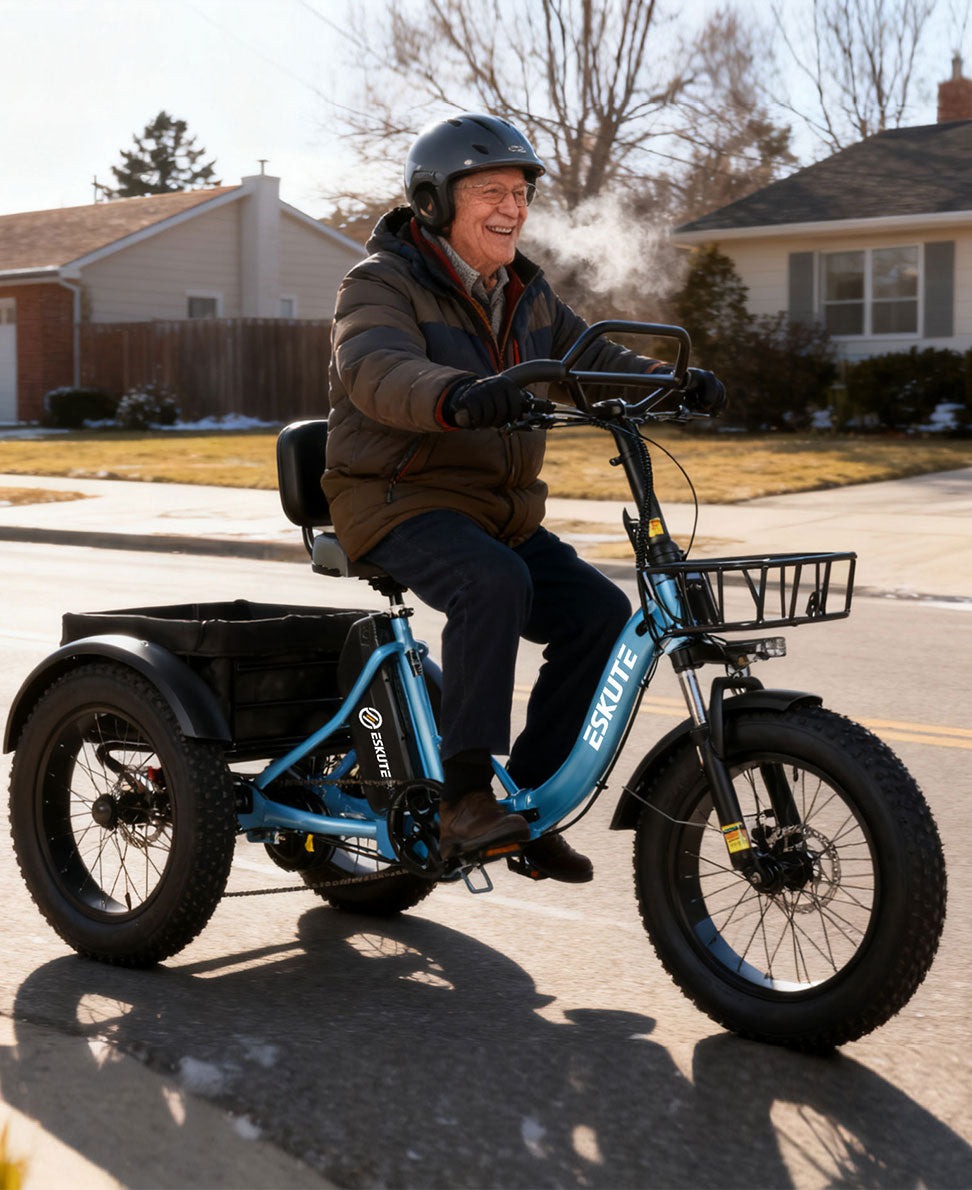
Picture this: you’re sitting in bumper-to-bumper traffic, watching the minutes tick by as your stress levels climb and your fuel gauge drops. For millions of urban commuters, this is an everyday reality. Crowded streets, limited parking, rising fuel costs, and environmental guilt have turned the simple act of getting to work into an exhausting ordeal.
Enter the adult electric tricycle — a surprisingly practical and increasingly popular solution reshaping how people move through cities. Combining the stability of three wheels with the power of an electric motor, these vehicles are winning over commuters who want something smarter than a car but more capable than a standard bicycle. Their growing presence on city streets reflects a broader shift toward eco-friendly transport options that are both affordable and efficient.
This guide is designed to help you navigate city traffic with an adult electric tricycle confidently and safely. From understanding the core benefits and choosing the right model to mastering urban routes and building a daily routine, you’ll find everything you need to make the switch to a cleaner, calmer commute. Whether you’re a first-time rider or simply curious about electric mobility, read on to discover how this innovative vehicle can transform your urban travel experience.
The Evolution of Urban Mobility: Embracing Adult Electric Tricycles
Urban transportation has undergone a dramatic transformation over the past decade. As cities grow denser and traffic congestion worsens, commuters are actively seeking alternatives to traditional cars and overcrowded public transit. Electric vehicles have moved from novelty to necessity, and within that shift, the adult electric tricycle has carved out a compelling niche as a practical urban mobility solution.
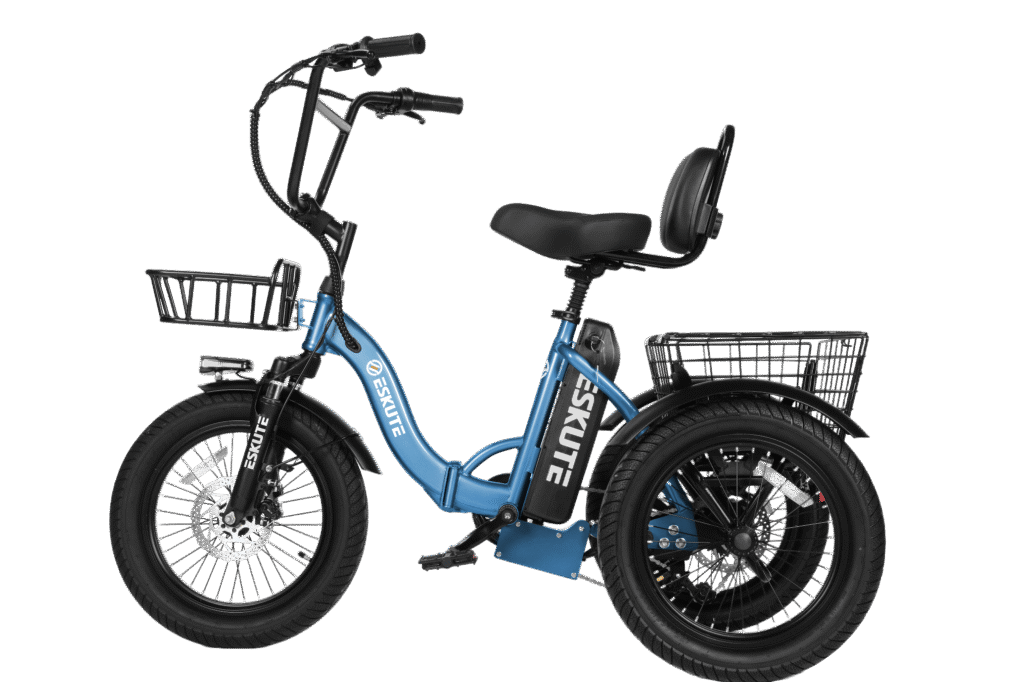
So what exactly is an adult electric tricycle? At its core, it’s a three-wheeled vehicle powered by an electric motor, designed specifically for adult riders navigating real-world conditions. Unlike conventional bicycles, the third wheel provides inherent stability, making it accessible to a wider range of riders regardless of age or physical fitness. The electric assist motor reduces the effort required to cover distances, turning a sweaty, exhausting commute into a manageable and even enjoyable ride.
Historically, tricycles were associated with children or recreational use. Today, that perception has changed completely. Advances in battery technology, lightweight frame materials, and smart motor systems have elevated the modern commuter electric bike into a genuinely competitive transport option. Cities across Europe, Asia, and North America are seeing growing adoption as infrastructure improves and riders recognize the practical advantages. This trend toward eco-friendly transport reflects a broader cultural shift — one where sustainability, affordability, and personal well-being are reshaping how urban residents think about getting from point A to point B.
Why Choose an Electric Tricycle for City Commuting? Key Benefits Unveiled
For urban commuters tired of traffic jams, parking fees, and crowded buses, the adult electric tricycle offers a refreshingly practical alternative. The three-wheel design delivers natural stability that standard bicycles simply can’t match, allowing riders to stop, start, and maneuver through congested intersections without the balancing act. This makes it especially appealing to older adults or anyone returning to cycling after a long break. Beyond safety, the cost savings are substantial — charging an electric motor costs a fraction of what you’d spend on fuel or transit passes each month, and maintenance demands far less than a car. There’s also a genuine fitness benefit: even with electric assist, riders engage their muscles and enjoy fresh air rather than sitting sedentary in a vehicle. In dense urban environments where filtering through slow-moving traffic and finding a parking spot consume enormous time and energy, the tricycle’s compact footprint becomes a genuine advantage, turning a frustrating commute into an efficient, predictable journey.

Sustainability and Eco-Friendly Transport: Reducing Environmental Impact
Electric tricycles produce zero direct emissions, making them one of the cleanest commuting choices available today. Compared to a petrol car, which emits roughly 170 grams of CO₂ per kilometer on average, an e-trike running on grid electricity generates a fraction of that environmental cost — and even less when charged from renewable sources. Unlike public transit, which runs on fixed schedules regardless of passenger load, your tricycle operates only when you need it, eliminating wasted energy. For city dwellers genuinely committed to reducing their carbon footprint, switching even a few weekly car trips to an electric tricycle creates a measurable and meaningful environmental difference.
Mastering City Traffic: Practical Navigation Tips and Techniques
Riding an adult electric tricycle through city streets requires more than just hopping on and pedaling — it demands a strategic approach to route planning and situational awareness. Before your first commute, spend time mapping two or three viable routes using a cycling app or Google Maps in bicycle mode. Prioritize roads with dedicated bike lanes, lower speed limits, and fewer complex intersections. Avoid arterial roads during peak hours when heavy vehicles dominate and lane changes become unpredictable. Instead, parallel side streets often offer a faster, calmer path to the same destination.
Once on the road, position your tricycle confidently within the lane rather than hugging the curb, where drainage grates, parked car doors, and debris create hazards. Always signal your turns well in advance — arm signals remain essential since many e-trikes lack integrated indicators. At intersections, make eye contact with drivers before proceeding, and never assume a green light guarantees a clear crossing. Keep a buffer of at least one car length from the vehicle ahead, giving yourself reaction time if traffic suddenly stops. When navigating roundabouts, claim your lane firmly and maintain a steady speed to communicate your intentions clearly to surrounding drivers. These habits, practiced consistently, transform unpredictable urban traffic from a source of anxiety into a manageable daily routine.
Leveraging Technology for Smoother Commutes
Modern navigation tools have made city cycling significantly less stressful. Apps like Komoot, Citymapper, and Google Maps offer cycling-specific routing that accounts for elevation, bike lane availability, and real-time traffic conditions — invaluable when an unexpected road closure forces a last-minute detour. Many contemporary e-trikes also come equipped with integrated displays showing speed, battery level, and assist mode, letting you manage your energy output intelligently across longer distances. Pairing your tricycle with a handlebar-mounted phone holder keeps navigation visible without requiring you to stop, while Bluetooth connectivity on premium models can sync ride data to fitness apps for tracking your commuting progress over time.
Step-by-Step Guide to Getting Started with Your Electric Tricycle
Choosing the right adult electric tricycle starts with honestly assessing your daily needs. Consider your typical commute distance first — a route under 15 miles each way suits most mid-range models with 40–60 mile battery capacity comfortably. Factor in terrain: hilly urban environments demand a more powerful motor, while flat city streets allow a lighter, more maneuverable build. Comfort matters too, particularly for daily use, so look for an adjustable seat, ergonomic handlebars, and a step-through frame that makes mounting and dismounting easy in stop-and-go traffic. ESKUTE e-bikes represent a solid example of what a well-rounded urban electric tricycle looks like — combining practical battery range, intuitive pedal assist levels, and a sturdy yet lightweight frame suited to real commuting demands.
Once you’ve selected your model, the setup process is straightforward. Charge the battery fully before your first ride and familiarize yourself with the assist modes, typically ranging from eco to turbo, using lower settings to extend range on longer days. Spend your first week doing short practice rides in quiet areas — parking lots or low-traffic side streets — to develop confidence with the wider turning radius and braking distances that three wheels require. Gradually introduce busier routes as your handling instincts sharpen. To integrate the tricycle into your daily routine smoothly, plan your departure time to avoid peak congestion windows, identify a secure parking spot at your destination in advance, and keep a small bag packed with essentials like a rain jacket and phone charger so mornings stay effortless.
Essential Gear and Maintenance for Long-Term Use
Reliable gear starts with a properly fitted helmet — non-negotiable regardless of local regulations. High-visibility clothing or a reflective vest dramatically improves your presence in traffic, especially during low-light commutes. A quality U-lock paired with a secondary cable lock protects your investment when parked. For maintenance, establish a weekly habit: check tire pressure, inspect brake pads for wear, and wipe down the chain with a light lubricant. Every month, examine the battery connections for corrosion and ensure all bolts remain tight. Addressing small issues early prevents costly repairs and keeps your tricycle performing reliably for years.
Case Study: Real-World Success with ESKUTE E-Bikes in Urban Settings
Consider a typical urban commuter — let’s call her Maria — a 42-year-old office worker living five miles from her workplace in a mid-sized European city. Previously reliant on her car, Maria spent an average of 45 minutes each way navigating congested streets and circling for parking, burning through fuel costs that added up to a significant monthly expense. After switching to an ESKUTE e-bike, her commute dropped to under 25 minutes each way, using dedicated cycle lanes that bypass the worst bottlenecks entirely. Her monthly transport costs fell dramatically, and she arrived at work noticeably less stressed.
Maria’s experience mirrors what many urban riders discover once they make the transition. ESKUTE e-bikes, with their intuitive pedal assist systems and practical battery range, handle the real demands of city commuting — stop-start traffic, varied terrain, and the need for reliable daily performance — without requiring specialist knowledge or significant maintenance time. The stable three-wheel platform gave Maria the confidence to navigate busy intersections that previously felt intimidating on two wheels.
Beyond personal convenience, the environmental impact was measurable. By replacing five car commutes per week with her e-bike, Maria eliminated roughly 8.5 kilograms of CO₂ emissions weekly. Over a year, that reduction equals removing a small car from the road for several months. For commuters seeking a sustainable, cost-effective, and genuinely practical urban transport solution, this kind of real-world outcome illustrates exactly why electric tricycles are gaining serious traction in cities worldwide.
Making the Switch to Electric Tricycle Commuting
Navigating city traffic doesn’t have to be a daily battle. As this guide has shown, the adult electric tricycle offers a genuinely compelling answer to the frustrations that define modern urban commuting — congestion, cost, environmental guilt, and lost time. With its inherent stability, electric assist capability, and compact footprint, it transforms the commute from a stressful obligation into something far more manageable and even rewarding.
The benefits extend well beyond personal convenience. Every car trip replaced by an e-trike ride represents a measurable reduction in emissions, a step toward the cleaner, quieter cities that urban residents increasingly demand. Combined with smart route planning, the right gear, and a consistent maintenance routine, an electric tricycle becomes a genuinely reliable daily transport solution — not a novelty, but a practical tool for modern life.
Whether you’re motivated by cost savings, environmental responsibility, health benefits, or simply the desire to arrive at work without the stress of gridlock, the transition to electric tricycle commuting is more accessible than you might think. ESKUTE e-bikes offer a strong starting point, with practical range and user-friendly design built for real urban conditions. Take the first step: map your commute route today, explore available models, and experience firsthand how this innovative vehicle can reshape your relationship with city travel.