A decade ago, planning a motorcycle road trip meant folding a paper map across your tank, guessing the weather based on what the sky looked like, and hoping your phone battery would last until the next gas station. If something went wrong 200 miles from home, you figured it out or you didn’t.
That version of motorcycle touring still exists, and some riders prefer it that way. But for the growing number of riders who want the freedom of the open road without the unnecessary risks and discomforts, technology has fundamentally changed what’s possible. From AI-powered route planning and Bluetooth helmet communication to GPS-tracked luggage and smart home recovery spaces, every stage of a long motorcycle trip is now touched by technology.
This isn’t about turning motorcycling into a screen-heavy experience. It’s about using smart tools to ride farther, safer, and more comfortably, then come home to a space that’s just as well-designed as the gear you wore on the road.
What Smart Navigation Tools Do Motorcycle Tourers Use Today?
Modern motorcycle navigation goes far beyond a phone strapped to the handlebars. Today’s touring riders use a combination of dedicated GPS units, purpose-built route planning apps, and real-time data integration that turns route planning from guesswork into precision.
Apps like Rever and Calimoto are designed specifically for motorcycle riders. Unlike car-focused GPS systems, these apps prioritize twisty roads, scenic routes, and rider-friendly waypoints over the fastest or most direct path. They let riders build custom routes based on road type, elevation change, and surface quality, then sync those routes to their phone or GPS for turn-by-turn navigation.
Offline maps have become essential for riders in remote areas. Many touring routes pass through zones with poor or zero cell coverage. Apps that allow full offline map downloads ensure navigation doesn’t disappear when the signal does.
Real-time weather integration is another major upgrade. Several modern GPS and route planning tools pull live weather radar data, allowing riders to reroute around storms or plan rest stops to wait out bad conditions. For anyone who’s been caught in a downpour on a mountain road at 60 miles per hour, this feature alone justifies the technology.
The hardware side has improved as well. Modern motorcycle phone mounts now include vibration dampening to protect phone cameras from damage caused by engine vibration (a real problem that Apple and Samsung have both acknowledged). Wireless charging mounts keep devices powered without cables flapping in the wind.
Connected Riding Gear: From Helmets to Heated Jackets
The most exciting area of motorcycle tech innovation is happening inside the gear itself. What used to be simple protective equipment is now part of a connected ecosystem that keeps riders informed, comfortable, and in communication throughout the ride.
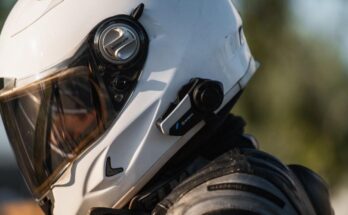
Bluetooth helmet communication systems (intercoms) have gone from niche accessories to near-standard equipment for touring riders. Modern units like Cardo and Sena systems allow rider-to-rider communication at distances of over a mile, music streaming, voice-activated GPS prompts, and hands-free phone calls. For group rides, mesh networking technology allows up to 15 riders to stay connected simultaneously without pairing issues.
USB charging ports integrated into the motorcycle itself have become increasingly common on touring and adventure bikes. These charging systems power everything from heated gloves and jacket liners to phone mounts and action cameras. For riders heading into cold weather or high altitudes, electrically heated gear is no longer a luxury. It’s the difference between a comfortable ride and a dangerously cold one.
The broader ecosystem of tech-integrated motorcycle touring accessories now includes smart phone mounts with built-in charging, auxiliary LED lighting systems that improve visibility on dark roads, and crash bars equipped with mounting points for additional electronics. These accessories are designed to work together as a system rather than as isolated add-ons, which means cleaner installation, better weight distribution, and fewer cable management headaches.
Action cameras and dashcams have also become standard touring gear. Beyond capturing scenic footage for social media, these cameras serve a practical safety purpose: documented video evidence is invaluable in the event of an accident or insurance claim.
How Does Technology Make Long Rides Safer?
Technology makes long motorcycle rides safer by addressing the three biggest risk factors: mechanical failure, rider fatigue, and collision vulnerability. Smart tools now monitor all three in real time.
Tire pressure monitoring systems (TPMS) are one of the most underrated safety upgrades for touring riders. A slow puncture at highway speed is extremely dangerous on a motorcycle, and TPMS sensors provide continuous pressure and temperature readings directly to a handlebar-mounted display or a smartphone app. Catching a pressure drop early can prevent a blowout hundreds of miles from the nearest shop.
Crash detection and emergency SOS features are now built into several motorcycle-specific devices and even some smartphones. These systems use accelerometers and gyroscopes to detect sudden impacts or drops. If the rider doesn’t respond within a set time, the device automatically sends GPS coordinates and an emergency alert to pre-set contacts or local emergency services.
LED auxiliary lights have moved from the “nice to have” category into essential safety equipment. Properly positioned auxiliary lights dramatically improve a rider’s visibility to other drivers, especially during dawn, dusk, and overcast conditions. Modern LED units draw minimal power, mount easily to crash bars or fork guards, and provide lighting that rivals car headlights.
Fatigue monitoring is an emerging area. Some newer helmet systems and wearable devices track head movement patterns and heart rate variability to detect signs of drowsiness. While still in early stages, this technology has clear potential to reduce the single largest cause of long-distance riding accidents: a tired rider who doesn’t realize how tired they are.
Smart Luggage and Packing Technology
Motorcycle luggage has evolved from basic metal boxes into purpose-built storage systems with integrated technology features. For tech-savvy touring riders, the luggage itself is now part of the connected riding experience.
Modern hard panniers and top cases often include built-in USB pass-throughs, allowing riders to charge devices stored inside while riding. Some premium systems incorporate GPS tracking modules, so if luggage is stolen during a stop, its location can be tracked via a smartphone app.
Waterproofing technology has improved significantly. IP67-rated soft luggage (meaning it can withstand temporary submersion) has become widely available, using welded seams and roll-top closures instead of zippers. For riders crossing rivers, riding in heavy rain, or strapping gear to the outside of the bike, this level of water protection was previously only available in specialized marine equipment.
Solar panel integration is another emerging trend. Some tank bags and tail bags now include small solar panels that trickle-charge a built-in battery pack, providing enough power to keep a phone or GPS charged throughout the day without drawing from the motorcycle’s electrical system.
Modular storage systems have replaced the “one big bag” approach. Riders can now configure their luggage layout based on trip length and type, swapping between smaller day-ride bags and full multi-week touring setups using the same mounting hardware. This flexibility reduces the need to own multiple complete luggage systems.
The Smart Home Base: Tech-Enhanced Recovery After the Ride
Here’s where most tech-focused touring guides stop: they cover the ride itself and forget about what happens when the rider gets home. But for riders who take multi-day trips regularly, the post-ride environment matters just as much as the on-road experience.
After several days of physical exertion, vibration, wind, and limited sleep, riders return home craving comfort and decompression. Increasingly, tech-savvy riders are applying the same intentional design thinking to their home recovery spaces that they apply to their riding gear.
Outdoor living spaces have become the natural landing zone for returning riders. A well-designed patio or backyard area serves as the transition space between “road mode” and “home mode.” It’s where you clean your gear, stretch out sore muscles, and decompress with a drink before heading inside.
The technology layer here is straightforward but effective. Weatherproof Bluetooth speakers and smart outdoor lighting systems (controllable via phone or voice assistant) create atmosphere without complexity. Smart plugs allow riders to turn on patio lights and start a playlist before they even park the bike.
But the foundation of any good outdoor recovery space is physical comfort, and this is where most generic patio furniture falls short. Standard cushions flatten out quickly, slip around on chairs, and rarely fit the furniture they’re sold with. For riders whose backs and legs are already sore from days on a motorcycle, poor seating defeats the entire purpose of having an outdoor relaxation space.
This is why custom-made outdoor seat cushions have become a practical upgrade for riders who take their post-ride comfort seriously. Cushions built to exact furniture dimensions stay in place, provide consistent support, and hold up to weather exposure far better than generic alternatives. It’s a low-tech solution to a real comfort problem, and it works because the fit is precise rather than approximate.
Combine fitted cushions with a shaded seating area, a smart speaker, and maybe a portable projector for outdoor movie nights, and you’ve built a recovery space that actually makes you want to come home after a long ride. That’s the point. The best trips end well, not just on the road, but at home.
What’s Next? Emerging Tech for Motorcycle Touring
The next wave of motorcycle touring technology is already in development, and some of it is closer to production than most riders realize.
Augmented reality (AR) head-up displays (HUDs) are being developed for motorcycle helmets by companies across Asia, Europe, and the US. These systems project navigation prompts, speed, and hazard alerts directly onto the rider’s visor, eliminating the need to glance down at a phone or GPS. Early versions are already available, and the technology is improving rapidly.
AI-powered riding coaches are another emerging category. These systems analyze riding data (lean angle, braking patterns, throttle input, route choices) and provide personalized feedback to help riders improve technique and efficiency. For touring riders, this could mean optimized fuel consumption, smoother cornering, and reduced fatigue over long distances.
Vehicle-to-everything (V2X) communication will eventually allow motorcycles to “talk” to cars, traffic lights, and road infrastructure. This technology has the potential to dramatically reduce the most common type of motorcycle accident: a car turning left in front of an oncoming bike because the driver didn’t see it.
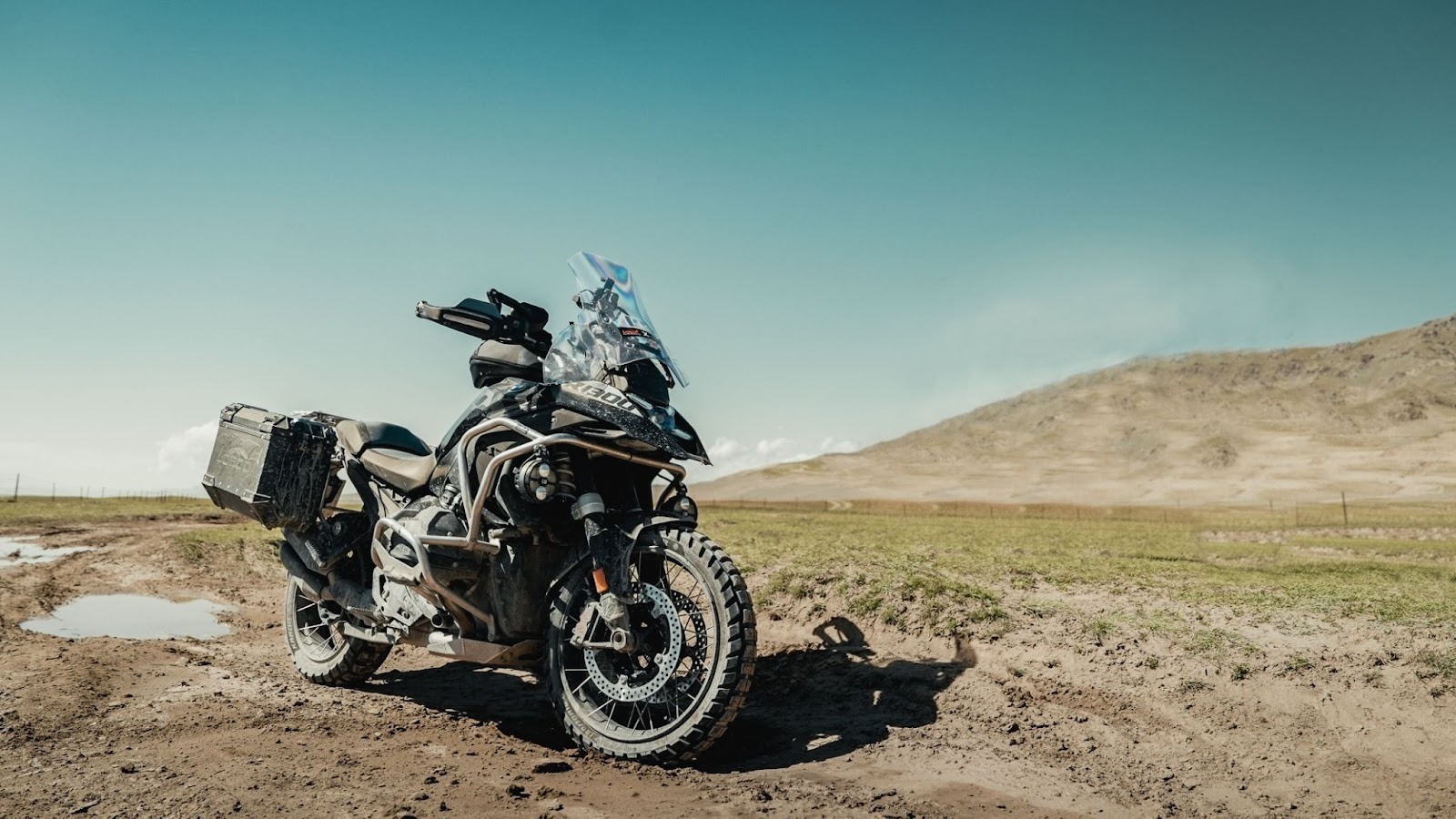
Electric adventure motorcycles are also gaining ground. Range limitations have kept electric bikes out of serious touring conversations, but battery technology is improving steadily. Several manufacturers are developing electric ADV bikes targeting 200+ mile ranges, which would make single-day touring segments fully viable on electric power.
Conclusion
Technology hasn’t replaced the core appeal of motorcycle touring. The wind, the freedom, the connection to the road: those things remain unchanged. What technology has done is remove many of the friction points that used to make long rides unnecessarily difficult, dangerous, or uncomfortable.
Smart navigation keeps you on the best roads. Connected gear keeps you informed and comfortable. Safety tech watches for threats you might miss. And a well-designed home base gives you a proper place to land when the ride is over.
The riders who get the most out of touring in 2026 aren’t necessarily the ones with the fastest bikes. They’re the ones who use the right technology at every stage of the journey, from the first mile to the last step onto their patio at home.