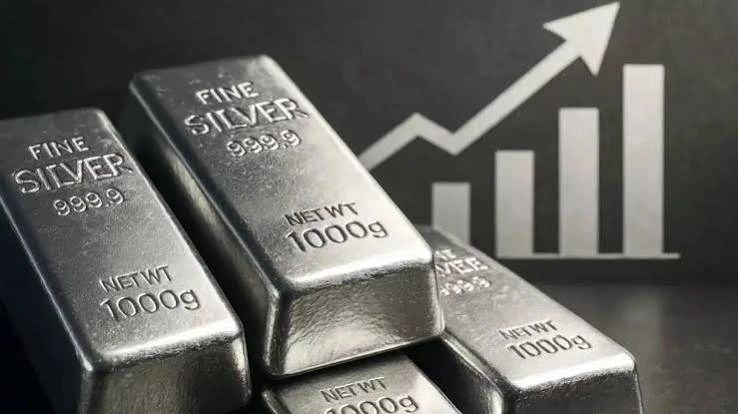
Silver prices can change frequently, surprising even the most experienced investors, especially if they are used to thinking of precious metals as a stable store of value. In fact, silver is quite different from other assets that mainly get their value from people investing in them. It is both a precious metal and also an important raw material for a wide range of industries.
That split personality of silver, being both a treasure and a resource, makes its price super sensitive to different factors all at once. The strength of the dollar, the state of the global economy, interest rates and of course the mood of investors themselves can all influence silver prices to a greater extent.
Getting a grip on these factors helps explain why silver can experience frequent price movements and why its price can behave in ways that are completely different from gold.
Industrial demand has a major influence
Silver’s price movement isn’t just about its value as a precious metal; its industrial usage plays a massive part too. You will find silver in all sorts of everyday stuff like electronics, solar panels, automobiles, medical equipment and household appliances.
When the industry is expanding, that usually means demand for silver goes up. When people think the manufacturing sector (or clean energy investment) is about to get a boost, that can give the price a nice nudge in the right direction.
But when the economy starts to look uncertain, and people start worrying about an economic slowdown, that can put the brakes on demand for silver, even if investors are still keen to keep some silver as a hedge against uncertainty.
Global economic conditions can trigger price swings
Silver prices are influenced by developments across major economies worldwide. Economic growth, inflation rates, and central bank decisions all have a cascading effect on investor demand for precious metals.
Take this for instance: when interest rates are expected to go down, non-interest-bearing assets like precious metals become more appealing because they look like a safer option. But when interest rates go up, it makes other types of assets that generate higher interest rates become more attractive, and that can actually drive silver prices down.
Also, during times of global uncertainty, people tend to get nervous and start looking for places to invest their money that won’t tie them up. That is when precious metals like silver start to get a lot more interest, as investors are looking for something to help diversify their portfolios and protect them from financial troubles.
Currency movements affect domestic silver prices
Silver is a global commodity that gets traded in US dollars. So, when you look at the price of silver in India, it is highly influenced by what is happening with the rupee against the dollar.
If the rupee takes a hit against the US dollar, imported silver costs more in local currency. Even if international silver prices are steady, Indian prices might still go up just because of the currency effect.
This is one reason investors tracking silver price in Ahmedabad today, and other cities, may notice movements that do not appear to be directly connected to local demand.
What determines domestic prices in the first place? Well, it is a mix of global silver prices, the impact of currency movements, and every other little cost that gets piled on, like import costs, taxes, and what is happening in the local market.
Final thoughts
Silver prices change frequently because the metal is being pulled in different directions at once. On one hand, you have industrial demand, which links it to economic growth. On the other hand, it is a precious metal which makes people want to hold onto it as a safe-haven investment, but is heavily influenced by global uncertainty.
There are extra variables like how the currency is doing, whether interest rates are going up or down, and how much silver is being mined right now.
All these combinations add another layer of complexity to the picture and make silver a much more reactive metal.