In the competitive world of KTV entertainment, atmosphere isn’t just a nice-to-have—it’s the deciding factor between a venue customers visit once and one they return to every weekend. The right lighting transforms a simple karaoke room into an immersive experience that guests photograph, share online, and rave about to friends. Yet many KTV operators still rely on static, outdated lighting systems that feel flat and uninspiring, failing to match the energy of modern entertainment expectations. This is where Gobo lights emerge as a transformative solution. These versatile projectors cast dynamic patterns, textures, and custom designs across walls and ceilings, instantly elevating any room from ordinary to extraordinary. Paired with modern innovations like Bluetooth app control and high-quality RGBW LEDs, Gobo lights give venue owners unprecedented creative power with minimal operational complexity. Whether you’re renovating an existing space or designing a new one, this guide walks you through everything you need to know about leveraging Gobo lighting technology to create unforgettable KTV experiences that keep customers coming back.
Why Gobo Lights Are a Game-Changer for KTV Event Lighting
A Gobo light is essentially a projector that uses a stencil—called a “gobo” (short for “goes before optics”)—placed in front of a light source to cast specific patterns, textures, or images onto surfaces. Unlike standard spotlights or color washes that simply illuminate a space, Gobo projectors transform blank walls and ceilings into dynamic canvases displaying everything from swirling galaxies and forest silhouettes to custom logos and abstract geometric animations. The gobo itself can be a metal cutout for sharp designs or a glass disc for full-color imagery, and when paired with rotation motors, these static patterns come alive with mesmerizing movement.
Compare this capability to basic lighting options like UKING laser lights, which primarily produce thin aerial beams and simple dot patterns. While lasers certainly add energy during peak moments, they lack the surface-covering versatility that defines a room’s overall theme. A Gobo light doesn’t just add an effect—it fundamentally reshapes how a space feels. Imagine walking into a KTV room where the walls are bathed in slowly drifting cherry blossom petals for a romantic ballad session, then shifting to pulsating neon circuit-board patterns when the group switches to electronic dance tracks. That level of environmental storytelling is something laser beams alone simply cannot achieve.
This thematic flexibility directly impacts your bottom line in measurable ways. When customers feel genuinely immersed in an atmosphere that responds to the mood of their evening, they perceive higher value in the experience—which translates to longer room bookings, increased food and beverage orders, and willingness to pay premium rates for rooms with superior lighting. Perhaps most importantly in today’s social-media-driven market, visually striking environments become free marketing. Guests instinctively pull out their phones to capture rooms illuminated with dramatic Gobo projections, sharing content that reaches hundreds of potential new customers organically. A single Instagram story showing your venue’s starry-sky ceiling or branded logo projection can generate more authentic interest than weeks of paid advertising. For KTV operators seeking to differentiate themselves in a crowded market, Gobo lights solve the fundamental challenge of creating dynamic, share-worthy experiences that static lighting systems simply cannot deliver.
Taking Control: The Power of Bluetooth App Control for KTV Managers
Running a busy KTV venue on a Friday night means juggling dozens of competing priorities—managing room turnover, coordinating staff, handling customer requests, and ensuring every space maintains the right energy level. The last thing any manager needs is to physically walk into each room to manually adjust lighting dials or swap out color gels every time a group’s mood shifts from mellow ballads to high-energy pop anthems. Traditional lighting control systems demand exactly this kind of hands-on intervention, creating bottlenecks that slow operations and produce inconsistent guest experiences across rooms. When one room feels perfectly lit while another languishes in static purple wash because no one had time to adjust it, the overall brand perception suffers.
Bluetooth app control eliminates this operational friction entirely. With a dedicated smartphone or tablet application, a single staff member can monitor and adjust the lighting across multiple rooms simultaneously without leaving the front desk. Need to shift Room 3 from a warm ambient glow to full party mode because the guests just ordered their third round and requested dance tracks? Two taps on a phone screen accomplish what previously required walking down a hallway, unlocking a control panel, and manually cycling through settings. The immediacy of this control means lighting always matches the moment, creating seamless transitions that guests experience as magical rather than mechanical.
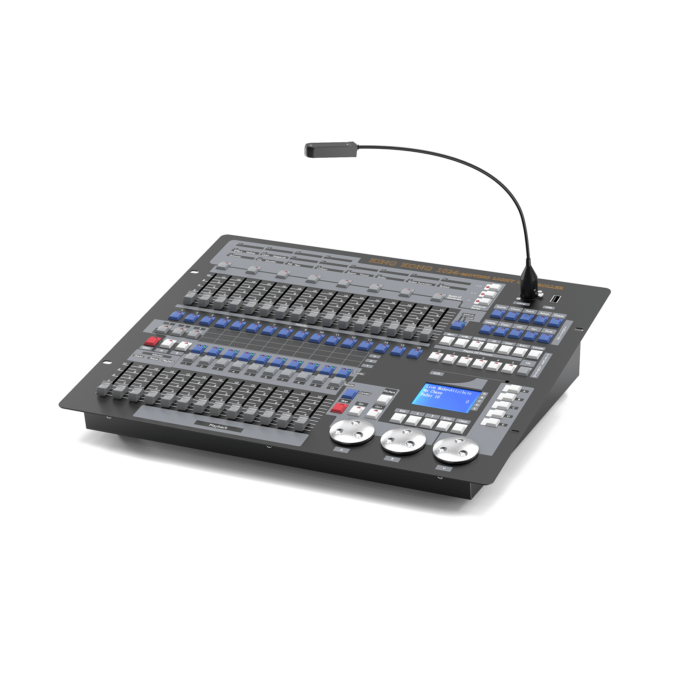
Beyond real-time adjustments, the true power of app-based control lies in scene programming and automation. KTV managers can build and save comprehensive lighting presets tailored to specific scenarios—a “Birthday Celebration” scene with rotating star patterns and warm gold tones, a “Corporate Event” preset featuring subtle branded projections and professional cool whites, or a “Late Night Party” mode with rapid color cycling and intense pattern rotation. These presets ensure consistency regardless of which staff member is on shift, eliminating the variability that comes with individual taste or training gaps. More advanced systems even allow BPM-synced scheduling, where lighting transitions automatically align with the tempo of whatever music is playing, creating a responsive environment that feels alive and connected to the audio experience without requiring any manual intervention whatsoever.
Step-by-Step: Implementing Your Gobo Light System with App Control
Transforming your KTV venue’s lighting from static to dynamic doesn’t require shutting down operations for weeks or hiring a team of electrical engineers. A methodical, phased approach lets you upgrade systematically while minimizing disruption to daily business. Here’s how to move from concept to fully operational smart lighting.
Start with a thorough venue assessment. Walk through each room and document the physical dimensions, ceiling heights, existing electrical outlets, and current fixture positions. Note which walls offer the best unobstructed surfaces for Gobo projections—you want large, relatively flat areas free from shelving, mirrors, or heavy texture that would distort projected patterns. Identify ceiling mounting points where fixtures can be installed without interfering with speakers, ventilation, or sprinkler systems. Also evaluate your electrical capacity; modern LED-based Gobo lights draw significantly less power than older halogen systems, but you still need to confirm your circuits can handle additional fixtures without tripping breakers during peak operation.
Selection comes next, and this is where your assessment data guides smart purchasing decisions. Smaller rooms of ten to fifteen square meters typically need one or two Gobo projectors positioned in opposite corners to achieve full wall coverage, while larger VIP suites may require three or four units supplemented by RGBW LED wash fixtures for complete ambient control. Choose projectors with motorized rotation capabilities and multiple gobo wheels so each unit can display various patterns without manual disc changes. Ensure every fixture you select supports Bluetooth connectivity and is compatible with the same control application—mixing incompatible brands creates management headaches that defeat the purpose of centralized control.
For installation, ceiling corners at forty-five-degree angles to your target walls generally produce the most dramatic projection spread while keeping fixtures out of guests’ direct sightlines. Mount units securely using appropriate hardware for your ceiling material, whether that’s concrete anchors for solid ceilings or toggle bolts for suspended panels. Route power cables neatly along ceiling edges or through cable channels to maintain a clean aesthetic—visible wiring immediately cheapens the professional atmosphere you’re working to create. If your venue has drop ceilings, consider recessing fixtures into the grid for an especially polished look.
Once physically installed, the technical setup involves powering on each fixture, enabling its Bluetooth pairing mode according to the manufacturer’s instructions, and connecting through your chosen control app. Most applications walk you through device discovery automatically—you’ll see each light appear on screen where you can assign it a room label and group it with other fixtures in the same space. Test the connection range from your intended control point, typically the front desk or manager’s station, to confirm reliable signal strength. For venues with thick walls between rooms, Bluetooth signal repeaters or mesh-capable fixtures prevent dropout issues.
Finally, programming your scenes is where creativity meets strategy. Build at least five foundational presets to cover your most common scenarios: a relaxed warm-tone scene for early evening arrivals, a mid-energy colorful mode for casual singing sessions, an intense full-spectrum party scene for peak hours, a romantic slow-rotation pattern for ballad-heavy groups, and a dramatic entrance scene that activates when guests first walk into their room. Save each preset with clear, intuitive names so any staff member can activate them instantly. Then link these scenes to your music playlists or sound system categories if your app supports automation triggers, allowing the room to respond organically to what’s playing without requiring constant human oversight.
Building Your System: Integrating Gobo Lights, RGBW LEDs, and Effects
A single Gobo projector can dramatically improve a KTV room, but the truly unforgettable venues understand that professional event lighting operates in layers. Think of it like mixing audio—you wouldn’t play only vocals without bass, drums, and melody supporting the track. Lighting works identically. Each fixture type serves a distinct role, and when orchestrated together, they create an immersive environment far more powerful than any single element could achieve alone. The key is understanding what each layer contributes and how they complement rather than compete with one another.
Gobo lights serve as your primary storytelling layer. They project defined patterns and textures onto walls and ceilings, establishing the visual theme of the room at any given moment. Whether it’s floating musical notes during a singing session or geometric fractals during an electronic set, Gobos give the space visual identity and narrative. Position these projectors to cover the largest visible surfaces—typically the wall opposite the seating area and the ceiling directly above the performance zone—so their patterns become the dominant visual element guests notice first when entering.
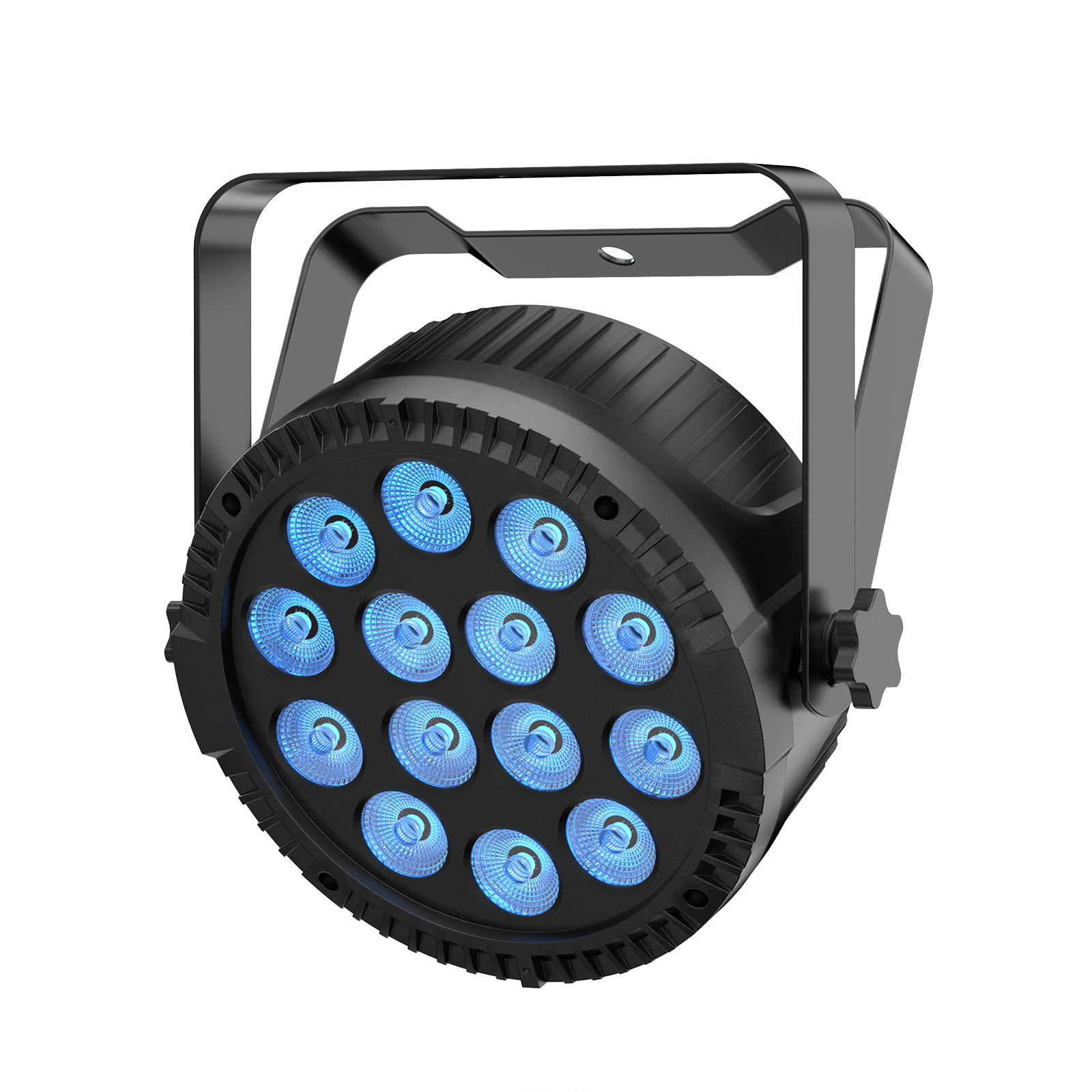
RGBW LED wash fixtures form your foundational ambient layer. Where Gobos project specific shapes, RGBW washes flood the room with broad color that sets the emotional baseline. A deep blue wash creates intimacy for slow songs, warm amber suggests celebration and comfort, while saturated magenta or green signals high energy and playfulness. These fixtures work best mounted along ceiling perimeters or behind architectural features like crown molding, where they can bathe walls in smooth gradients without creating harsh hotspots. The “W” in RGBW—the dedicated white LED chip—proves especially valuable in KTV settings because it allows clean, natural-looking white light when guests need to read song menus or during room turnover cleaning, eliminating the need for separate utility lighting in many cases.
The third layer introduces accent effects for peak-energy moments, and this is where complementary tools like UKING laser lights earn their place. Thin aerial laser beams cutting through light haze create a nightclub intensity that signals the party has reached its crescendo. However, lasers work best as punctuation rather than constant presence—activating them during chorus drops or when a group collectively nails a challenging song creates memorable peaks without fatiguing guests’ eyes. Mount laser units centrally on the ceiling pointed slightly downward so beams fan across the room above head height, always ensuring they never directly strike seated eye level.
The blueprint for combining these layers follows a simple intensity hierarchy. RGBW washes run continuously at moderate intensity, providing the color foundation that shifts gradually throughout the evening. Gobo projections overlay this base at medium-high intensity, rotating slowly during relaxed moments and increasing speed during energetic songs. Lasers and strobes activate only during designated high-energy triggers—perhaps the final chorus of an upbeat track or a countdown moment during a birthday celebration—then fade back to let the subtler layers breathe. This hierarchy prevents the common mistake of running everything at maximum simultaneously, which overwhelms patrons, causes visual fatigue, and ironically makes the room feel less impressive because there’s nowhere for the energy to escalate. By holding certain effects in reserve, you create dynamic range—quiet moments feel intimate, and peak moments feel genuinely explosive because of the contrast. Program these intensity relationships into your app presets so the layered balance maintains itself automatically, ensuring every room delivers a professionally designed experience regardless of which staff member activated the scene.
Overcoming Common Hurdles in KTV Lighting Upgrades
Every KTV owner considering a lighting upgrade faces the same internal debate: the vision is exciting, but practical concerns create hesitation. Budget tops the list for most operators, followed closely by fears about technical complexity, ongoing maintenance demands, and the disruption of installation itself. These concerns are legitimate, but each one has a straightforward solution that becomes clear once you reframe the upgrade not as an expense but as a revenue-generating investment with predictable returns.
The budget conversation shifts dramatically when you examine the numbers honestly. A comprehensive Gobo lighting system for a single room typically pays for itself within two to four months through measurable revenue increases. Rooms with dynamic, immersive lighting consistently command premium hourly rates—often twenty to forty percent higher than identically sized rooms with basic lighting. Beyond direct pricing power, enhanced atmosphere correlates strongly with extended booking durations. Groups that planned to sing for two hours stay for three when the environment feels like a genuine event rather than a rented box with a microphone. Factor in increased beverage orders driven by the celebratory mood that professional lighting creates, and the return timeline accelerates further. For operators with tight capital, a phased approach works perfectly—upgrade your highest-revenue VIP rooms first, let the increased income from those spaces fund subsequent room upgrades, and scale gradually without straining cash flow.
Technical anxiety dissolves quickly once operators actually interact with modern control applications. Today’s Bluetooth-enabled lighting systems are designed for hospitality professionals, not lighting engineers. The apps use intuitive visual interfaces where you drag color sliders, tap pattern thumbnails, and save scenes with single button presses. If you can operate a music streaming app on your phone, you can control professional Gobo lighting. For initial setup and calibration, many suppliers offer remote consultation or can connect you with local installation professionals who handle the technical configuration in a single visit, handing you a fully programmed system ready to operate. Staff training typically requires thirty minutes or less—most employees master scene selection and basic adjustments within their first shift.
Maintenance concerns rooted in experiences with older lighting technology are largely obsolete with current LED-based systems. Traditional halogen Gobo projectors ran extremely hot, burned through expensive lamps every few hundred hours, and required frequent filter cleaning. Modern LED Gobo lights operate cool, with LED sources rated for twenty thousand to fifty thousand hours of continuous use—meaning years of nightly operation before any attention is needed. There are no lamps to replace, no ballasts to fail, and minimal dust accumulation thanks to sealed optical assemblies. Laser lights and RGBW wash fixtures share this longevity advantage, making your entire lighting ecosystem essentially maintenance-free beyond occasional exterior wipe-downs during regular room cleaning. The durability of solid-state lighting means your investment continues performing night after night without the recurring costs or downtime that plagued previous generations of entertainment lighting. Approach the upgrade as a series of manageable steps rather than a single overwhelming project, and what initially seemed daunting reveals itself as one of the most straightforward improvements you can make to your venue’s competitive position.
Transform Your KTV Into an Unforgettable Destination with Smart Lighting
The path from an ordinary KTV room to an extraordinary one runs directly through intelligent lighting design, and Gobo lights sit at the center of that transformation. They deliver what no other single fixture can—projected patterns and textures that give a space visual narrative, turning blank walls into immersive environments that shift with the mood of every song and every group. When paired with Bluetooth app control, this creative power becomes operationally effortless, allowing managers to orchestrate atmosphere across an entire venue from a single device without missing a beat during the busiest nights. Layer in RGBW LED washes for foundational color and accent effects like lasers for peak-energy moments, and you’ve built a complete system that rivals professional concert production at a fraction of the complexity. The impact reaches every metric that matters—higher room rates, longer bookings, increased spending, and organic social media exposure that no advertising budget can replicate. The technology is accessible, the returns are proven, and the competitive advantage goes to those who act rather than wait. Start with one room, witness the difference in guest reactions and revenue, and let that success fuel your venue’s complete transformation into the dynamic, memorable destination your market is waiting for.