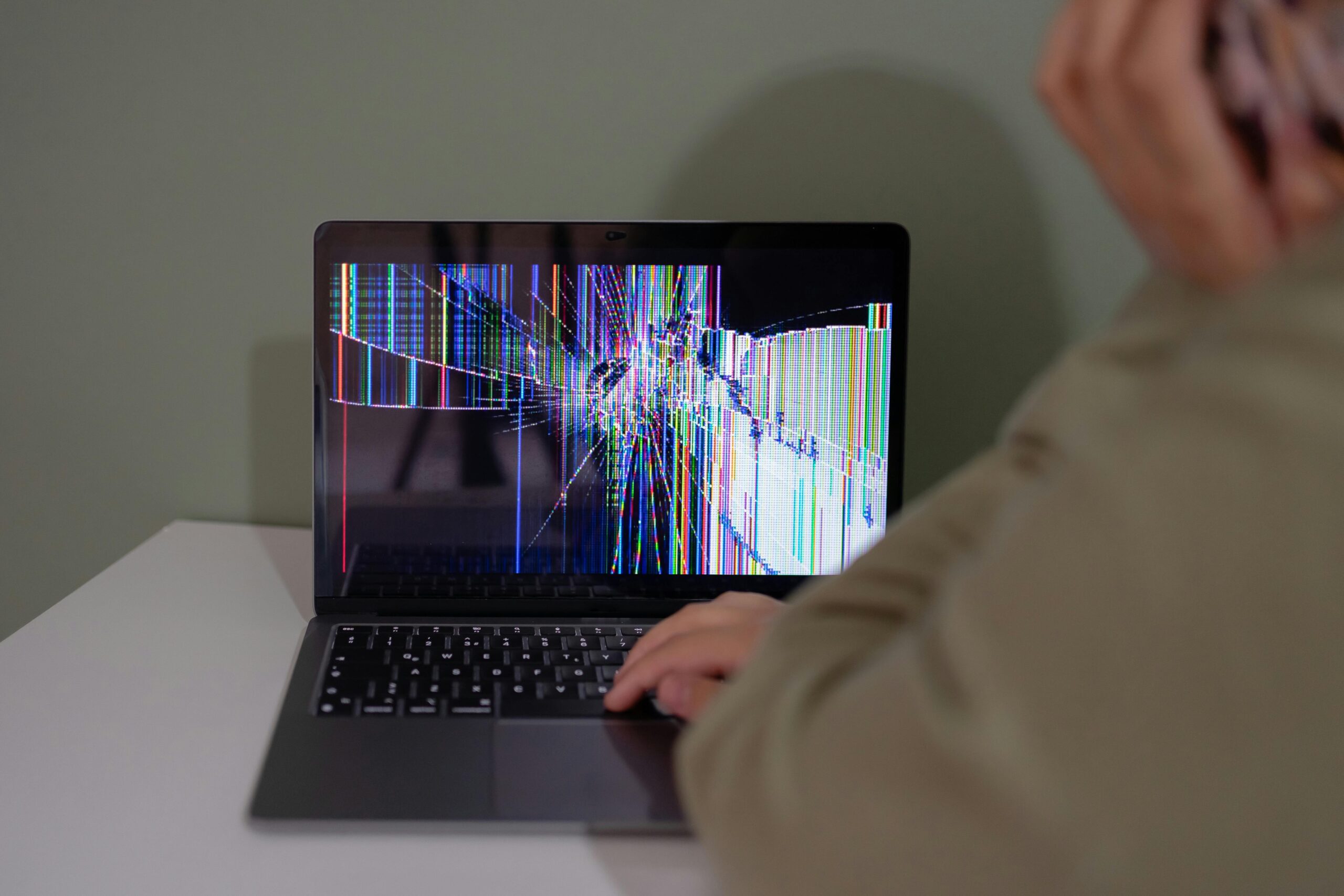
A cracked phone screen does something strange to rational thinking. The device we rely on for everything, from navigation to banking to staying in touch, is suddenly compromised, and that urgency has a way of short-circuiting good judgement. The result is a familiar pattern: a frantic search for the fastest, cheapest fix in the area, followed, weeks or months later, by a second repair bill that dwarfs the first.
This article unpacks the technical realities of aftermarket screens and the behavioural traps that lead consumers into what is best described as a “cheap repair spiral”, where a low initial outlay gives way to premature failure, maddening functional issues, and a final cost far higher than a quality repair would have been from the outset.
Quick Answer: A budget screen repair almost always involves a compromise in component grade, technician experience, or both. In practice, the cheapest quote tends to produce the most expensive outcome over time. For residents across South East London, choosing a transparent, warranty-backed service, one that uses properly graded parts and runs a full diagnostic before touching the screen, is consistently the more cost-effective decision.
The Urgency-Driven Decision Trap
Stress narrows focus. When a screen shatters, the instinct is to restore what was lost as quickly as possible, and that instinct actively works against careful comparison. The promise of a budget screen repair is particularly compelling in that moment, precisely because it seems to solve the immediate problem without adding financial pain on top of an already frustrating situation.
Be wary of repair quotes significantly below the local market average; they almost always indicate a compromise in component quality or technician expertise.
What that framing obscures is the complexity sitting behind the headline price. A repair quoted significantly below the local market average almost always involves a compromise somewhere, whether in the component itself, the technician’s experience, or both. Urgency creates the conditions for that compromise to go unquestioned.
Dissecting Aftermarket Screen Quality: A Technical Breakdown
The phrase “quality parts” appears in nearly every repair shop’s marketing. It means very little without context. Understanding the distinct categories of aftermarket screens is the foundation of any genuinely informed decision, and it becomes especially relevant when making sense of a repair quote.
Devices originally engineered for a flexible display may not perfectly accommodate a Hard OLED, potentially resulting in a thicker profile or less flush fit.
Hard OLED
Hard OLED screens use a rigid glass substrate. They are cheaper to produce, which makes them the default choice for shops competing purely on price. The trade-off is durability. Devices originally engineered around a flexible display may not accommodate a Hard OLED perfectly, sometimes resulting in a marginally thicker profile or a less flush fit against the chassis.
Soft OLED
Soft OLEDs are built on a flexible plastic substrate, closely mirroring the material used in most original equipment manufacturer (OEM) displays. That flexibility translates into superior impact resistance and a more faithful fit. Colour accuracy and brightness are generally better too, and the risk of fitment problems, the kind that cause issues down the line, is substantially reduced.
In-Cell vs. On-Cell LCD
For devices using LCD technology, the touch-sensitive digitiser can either be integrated directly into the display panel (In-Cell) or laminated on top of it (On-Cell). In-Cell displays are typically thinner and deliver a more responsive touch experience, with fewer layers between finger and pixel. On-Cell screens cost less to produce but can result in a marginally thicker assembly and slightly less precise input, a difference most users only notice once they have lived with it for a while.
Selecting a lower-grade screen rarely announces itself immediately. The compromises tend to emerge gradually: subtle colour shifts, reduced brightness, ghost touch, input lag, or unexplained battery drain caused by less efficient display controllers. Most people would not distinguish a top-tier aftermarket screen from a genuine one on first inspection. The difference becomes apparent when the device takes another knock, or simply after a few months of daily use.
The Supply Chain Variability: A Challenge for Even the Best
Even conscientious local repair specialists face a fragmented aftermarket component landscape. Unlike manufacturers, who exercise tight control over integrated supply chains, independent shops must source from a market where quality can vary significantly between suppliers and even between batches from the same supplier.
This is the part quality lottery in practice. A consignment of screens marketed under the same grade designation one month may perform well; the next batch, ostensibly identical, may carry subtle defects or a higher failure rate. It is a genuine operational challenge, and it illustrates why professional screen repair services in South East London need to invest seriously in reliable, consistent sourcing rather than simply chasing the lowest wholesale price. Computer Clinic addresses this directly by maintaining established supplier relationships and batch-testing components before they are used in repairs.
This variability is precisely why asking a repair shop how they vet their components is a reasonable and important question. A shop that cannot explain its sourcing process, or that treats all aftermarket parts as interchangeable, is one that leaves too much to chance.
What to Look for Beyond the Quote
Choosing a phone repair service deserves more scrutiny than most people give it. Part of what makes the decision difficult is the emotional dimension: the anxiety about handing personal data to a stranger and the pressure to resolve everything quickly. These factors combine to make the headline price feel more decisive than it actually is.
A low price is, more often than not, the clearest signal of a compromise in component quality or technical expertise. The analogy to cheap footwear is well-worn but accurate. The true cost of a repair is not the sum paid at the counter; it is the total expenditure over the expected lifespan of the fix. Choosing a slightly more expensive but transparent service tends to cost less overall, and it eliminates a considerable amount of stress along the way.
Practical Steps for a Reliable Repair
The following checklist is designed to help anyone across South East London navigate their options and reduce the risk of the cheap repair spiral.
Always ask about the screen grades used and ensure the technician can explain the practical implications for durability and performance.
- Demand transparency on part quality. Ask specific questions about the screen grades used. Does the technician understand the difference between Hard OLED and Soft OLED? Can they explain the practical implications for durability and performance? A reputable service will answer without hesitation.
- Review the warranty carefully. A warranty covering both parts and labour for a minimum of six to twelve months is a meaningful indicator of confidence in the work and the components. Understand exactly what is covered, for how long, and what the claims process involves.
- Look beyond star ratings. Generic five-star reviews tell you very little. Seek out detailed accounts that address component quality, diagnostic thoroughness, communication, and how problems were handled when they arose. Named, specific reviews from local customers are worth considerably more than anonymous praise.
- Verify diagnostic protocols. A skilled technician does not simply swap out a screen. They run a thorough diagnostic first, ruling out underlying issues that a screen replacement alone will not resolve, whether you are dealing with a cracked phone display or diagnosing a flickering or dim laptop screen. A systematic approach produces a lasting fix, not a temporary patch.
- Clarify data privacy practices. Ask directly how the repair shop handles your personal information during the process. A clear, explicit privacy protocol is not optional; it should be a baseline requirement before handing over any device.
- Be sceptical of implausible turnaround times. Speed is welcome, but a genuinely high-quality repair, particularly on a complex modern device, requires adequate time for diagnostic work, careful installation, and rigorous post-repair testing. Promises of an unrealistically fast turnaround often signal that corners are being cut somewhere.
The Repair Worth Paying For
The pull towards the cheapest available option is entirely understandable. Nobody wants to spend more than necessary on a repair, particularly when the damage already feels like bad luck. But the economics only make sense when the full picture is considered, not just the number on the quote.
A repair service that is transparent about its components, backed by a meaningful warranty, and carried out by someone who actually diagnoses the device before reaching for a replacement screen is worth paying a little more for. For customers across South East London, Computer Clinic offers exactly that: clearly graded components, a documented warranty on parts and labour, and a diagnostic-first approach that resolves the actual problem rather than masking it. If your screen needs attention, contact the team directly to discuss the right repair for your device.
Frequently Asked Questions
Why is a cheap screen repair often more expensive in the long run?
A cheap screen repair typically uses lower-grade components or less experienced technicians, leading to premature failure, functional issues, and a need for further repairs, ultimately costing more than a quality repair would have initially.
What are the common types of aftermarket screens?
Aftermarket screens include Hard OLED, Soft OLED, In-Cell LCD, and On-Cell LCD. Each type has different characteristics regarding durability, flexibility, colour accuracy, and touch responsiveness.
How does component supply chain variability affect screen repairs?
The aftermarket component supply chain is inconsistent, meaning the quality of parts can vary between suppliers and even batches. This makes reliable sourcing a challenge for repair shops and can impact the longevity of repairs.
What should I look for in a reliable screen repair service?
You should seek transparency on part quality, a warranty covering both parts and labour for at least six to twelve months, detailed customer reviews, verified diagnostic protocols, and clear data privacy practices.
Why is a diagnostic important before a screen repair?
A thorough diagnostic helps identify any underlying issues beyond just a cracked screen. This ensures the repair addresses the actual problem, providing a lasting fix rather than a temporary solution.