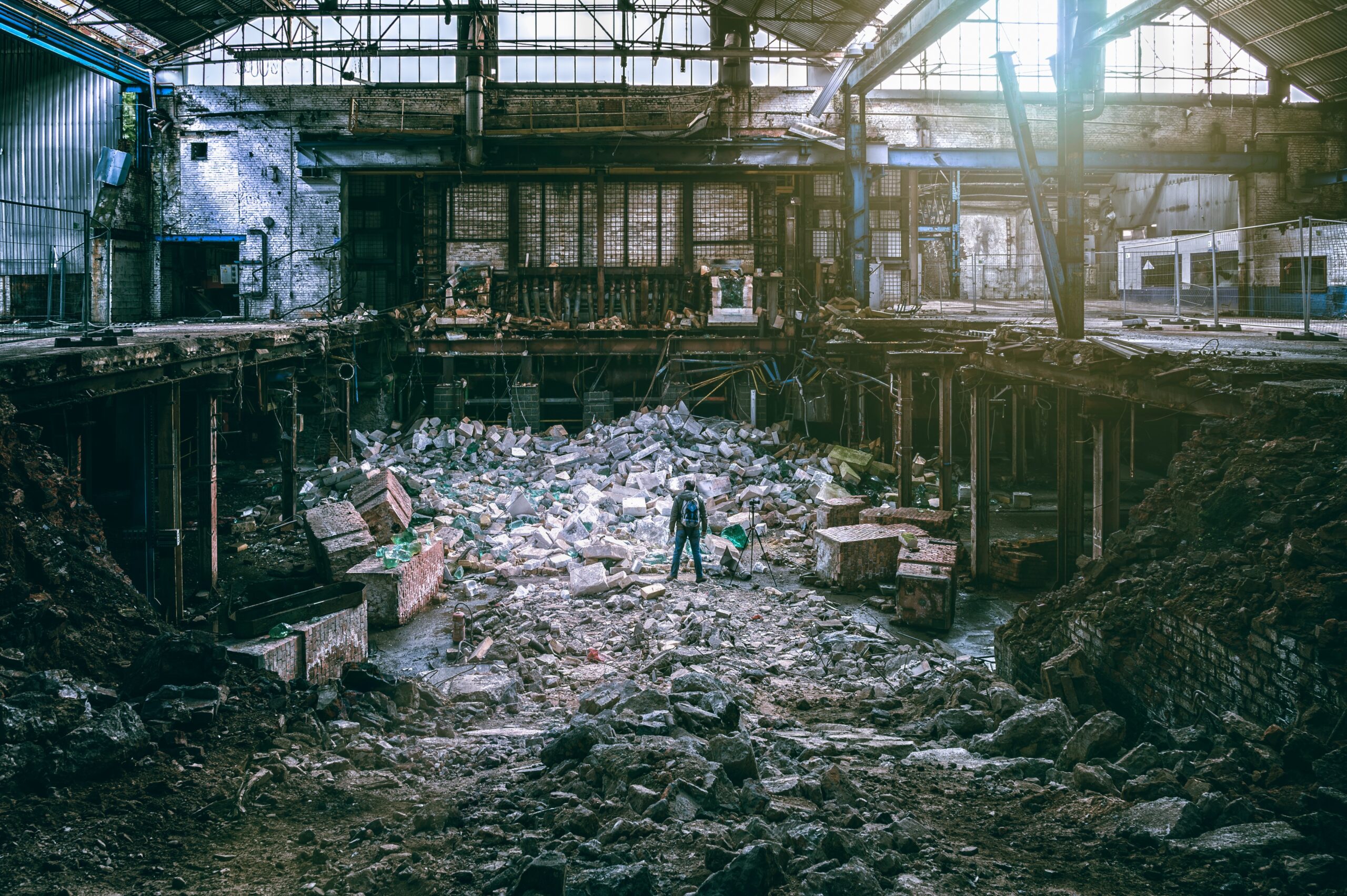
When disaster strikes a commercial property, one of the first questions business owners ask is whether their policy will cover the full cost of restoring the premises, and the honest answer is: it depends on how well they understood their cover before the event happened. Whether caused by fire, flooding, subsidence, or storm impact, building structure repair (this is commonly referred to as ซ่อมโครงสร้างอาคาร in Thai) sits at the heart of most commercial property claims, yet it remains one of the most misunderstood aspects of business insurance. Knowing what is and is not covered before you need to make a claim is the kind of preparation that saves businesses from financial shock when they are already under pressure.
Why Structural Damage Claims Are More Complex Than They Look
Unlike contents claims, which involve replacing identifiable assets, structural damage involves layers of assessment. Insurers need to determine not just what broke, but why it broke and whether it was foreseeable. This is where many commercial policyholders run into complications.
Common reasons structural claims face scrutiny:
- Gradual deterioration is generally not covered under most commercial property policies. Where damage has developed progressively through neglected upkeep, insurers will often take the position that the triggering incident simply sped up an underlying issue that already existed.
- Design or construction defects are rarely covered under property insurance. If poor workmanship contributed to the collapse or failure, the claim may be redirected toward contractor liability.
- Concurrent causation occurs when multiple factors contribute to damage. Some policies only pay out if the primary cause is a covered peril, regardless of what else was involved.
The Business Interruption Angle Businesses Often Overlook
Structural damage rarely just affects walls and rooftops. Once critical structural components are severely damaged, commercial premises can be rendered completely unusable, often for an extended period spanning several weeks or even months. This is where business interruption insurance becomes just as important as the structural policy itself.
Businesses should check whether their policy covers:
- Loss of income during the period of reinstatement
- Temporary relocation and fit-out costs
- Additional operating expenses incurred while working from a secondary site
- Any penalties or losses arising from an inability to fulfil contracts
Many businesses hold these policies but have never stress-tested whether the indemnity period, the length of time the insurer will pay out, actually reflects how long a realistic rebuild would take.
Getting the Scope of Damage Right
Underestimating the scope of structural damage is a costly mistake. An incomplete assessment early in the process can lead to underfunded reinstatement work, leaving businesses with a repaired but compromised building. Independent structural surveyors should be engaged early, and their reports should feed directly into the insurance claim rather than being treated as a separate exercise.
When Experience Changes Everything
Navigating a structural damage claim without expert support leaves too much room for settlement values that fall short of what a full recovery actually costs. BELFOR specialises in property loss recovery for commercial clients, offering the technical knowledge and on-the-ground experience to manage complex structural reinstatement projects from initial assessment right through to completion. When the structure of your business premises is at stake, having the right team in your corner makes all the difference.