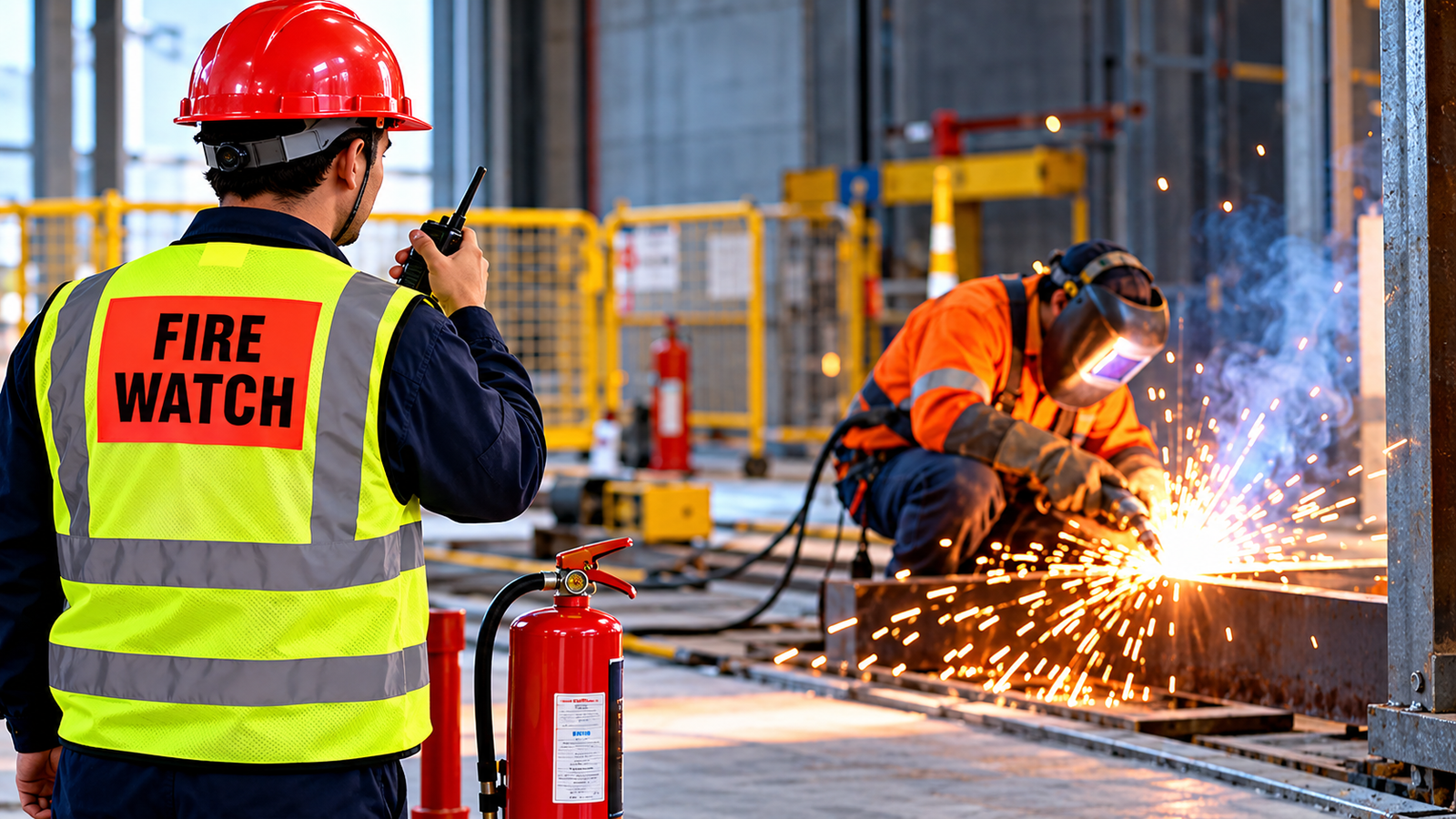
Hot work can create sparks, heat, and open flame during routine site tasks.These conditions need close attention when nearby materials could catch fire.Trained fire watch services help maintain observation while hot work continues.The assigned person watches the work area and nearby spaces carefully.Clear routines also help teams follow required safety procedures during operations.
What Requires Close Observation?
Hot work creates temporary risks that can change during a task.A watch person remains focused on nearby conditions throughout the assigned period.
Attention may continue after the work stops because heat can remain.The exact duties depend on site rules and current working conditions.
What Should Personnel Check?
Regular observation helps identify unsafe conditions before they become serious.Checks should cover the work area and nearby locations.
- Inspect surrounding areas for sparks, smoke, heat, or unusual activity.
- Keep nearby combustible materials away from active work areas.
- Watch adjoining spaces where sparks could travel unnoticed.
- Maintain clear communication with workers during active operations.
- Check areas again after hot work has stopped.
- Report unusual conditions through the established site procedure.
- Keep required equipment locations known before work begins.
- Remain attentive throughout the assigned monitoring period without distractions.
These checks support orderly work without adding unnecessary complexity.Conditions should always be assessed according to site requirements.
When Should Monitoring Continue?
Observation may need to continue after active work has ended.Residual heat can remain around surfaces or nearby materials.
The required duration depends on the work conditions and site procedures.Stopping too early can leave areas without suitable observation.
How Does Preparation Support Safer Work?
Preparation begins before any cutting, welding, or similar task starts.The responsible team should identify the work area and nearby risks.
Combustible materials may need removal or suitable protection before operations begin.Clear communication helps everyone understand who is watching the area.
During active work fire watch services can provide dedicated observation based on assigned duties.The comparison shows why monitoring should match the actual task.
Which Practices Support Better Compliance?
Simple preparation can make hot work procedures easier to follow.Teams should understand the assigned duties before activity begins.
Required permits or approvals should be handled according to site rules.Work areas should remain clear enough for safe observation and movement.
- Confirm assigned responsibilities before any hot work begins onsite.
- Review nearby conditions before approving the planned activity.
- Keep communication available throughout the active work period.
- Record relevant observations according to established site procedures.
- Recheck surrounding spaces after the task has ended.
- Escalate concerning conditions without waiting for further development.
- Keep monitoring focused on actual site conditions throughout operations.
- Review procedures whenever work areas or conditions change.
Good preparation supports consistent routines without creating unnecessary delays.Regular checks also help identify changes during longer tasks.
Common Questions About Hot Work
- What does fire watch personnel monitor?They watch for sparks, smoke, heat, and other possible fire hazards.
- Why is monitoring needed during hot work?Hot work can create ignition sources near materials that may burn.
- Should observation continue after work stops?Yes. Residual heat can remain, and site procedures may require continued monitoring.
- Who determines the required monitoring period?Site rules and applicable safety requirements determine the appropriate period.
- What happens when a hazard appears?Personnel should report the condition and follow the established emergency procedure.
- Does monitoring replace normal fire protection equipment?No. It provides additional observation when required during temporary work conditions.
Steady Checks Keep Work Controlled
Hot work requires more than attention during the active task.Preparation matters before sparks or heat are introduced into an area.Observation remains useful while work continues and after completion.Clear duties help avoid uncertainty between workers and supervisors.Consistent checks also support orderly responses when conditions change.
The practical aim is simple. Notice hazards early and respond correctly.Good routines do not need complicated language or unnecessary steps.Each task should receive attention based on its actual conditions.Steady execution helps maintain a controlled work environment throughout temporary operations.