Supporting immune health is an important part of maintaining overall wellbeing. A balanced diet, regular physical activity, adequate sleep and good everyday habits all contribute to a healthy immune system. For some people, supplements may also provide useful nutritional support when dietary intake is limited or specific ingredients are being considered.
However, choosing an immune support supplement is not always straightforward. Shelves and online stores contain products with different ingredients, dosages, formulations and quality standards. Attractive packaging or a long list of ingredients does not necessarily mean a product is the right choice.
For UK consumers, taking a little time to understand what is inside a supplement can help avoid common mistakes and make purchasing decisions more informed.
1. Choosing a Supplement Without Checking the Ingredients
One of the most common mistakes is buying an immune support supplement based only on its name or marketing claims.
Instead, check the full ingredient list. Look at the active ingredients, their quantities and the form in which they are provided. Different nutrients and plant compounds have different purposes, and more ingredients do not automatically mean a better product.
For example, vitamin C, vitamin D, zinc and selenium are commonly associated with normal immune system function. Plant-derived compounds are also attracting interest for their antioxidant and cellular health properties.
Understanding the ingredients allows you to compare products based on their actual formulation rather than appearance or advertising.
Look Beyond the Front Label
The front of a bottle may highlight terms such as “immune defence” or “advanced immunity formula.” The more useful information is usually found on the nutrition panel and ingredient list.
Check:
- Active ingredients and quantities
- Serving size
- Number of servings
- Added sugars or unnecessary additives
- Allergen information
- Recommended daily intake where applicable
2. Assuming a Higher Dose Is Always Better
Another mistake is assuming that taking larger amounts will provide greater benefits.
This is not necessarily true. Nutrients have recommended intake levels, and excessive consumption of certain vitamins or minerals can potentially cause unwanted effects. Your overall intake from food and other supplements should also be considered.
A sensible approach is to look for transparent products that clearly state the amount of each active ingredient rather than relying on unusually high doses.
If you already take medication or several supplements, speaking with a healthcare professional or pharmacist can be particularly useful before adding another product.
3. Ignoring the Quality of the Supplement
Quality should be an important consideration when choosing an immune support supplement.
Look for manufacturers that provide clear information about their products, including ingredient quantities, manufacturing standards and appropriate testing. Reliable brands should make it reasonably easy for consumers to understand what they are purchasing.
UK consumers should also be cautious about products making exaggerated health claims. A supplement should complement a healthy lifestyle rather than be presented as a replacement for a balanced diet or medical care.
Consider Ingredient Transparency
A transparent label should make it clear what the product contains. Avoid products that use vague descriptions without explaining the quantities of their key ingredients.
This is particularly relevant when choosing botanical or specialised formulations, where the source and standardisation of an ingredient may affect the product’s overall characteristics.
4. Choosing a Product Simply Because It Contains Many Ingredients
A long ingredient list can look impressive, but complexity is not always an advantage.
Some people may benefit from a straightforward formulation containing specific nutrients or compounds that fit their nutritional needs. Others may prefer a broader combination.
The important question is not “How many ingredients are included?” but “Why are these ingredients included, and are the amounts clearly stated?”
A focused formulation can also make it easier to understand what you are taking and avoid unnecessarily duplicating ingredients found in other products.
5. Overlooking Emerging Ingredients Such as Sulforaphane
When exploring options for immune and general wellness support, consumers may encounter specialised plant compounds alongside conventional vitamins and minerals.
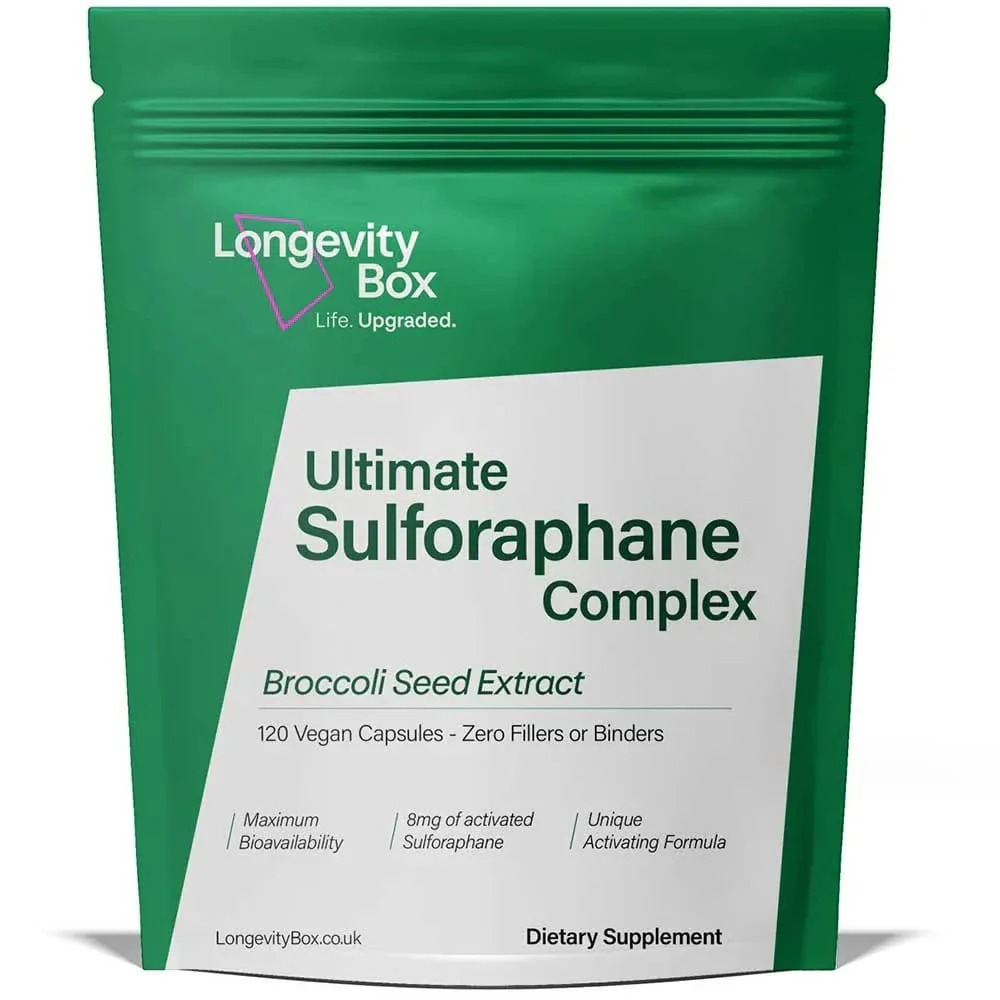
Sulforaphane is one such compound. Naturally found in cruciferous vegetables such as broccoli, it has attracted scientific interest because of its antioxidant and cellular defence properties.
For people specifically interested in plant-derived compounds, a sulforaphane supplement may be worth considering as part of a broader approach to nutritional and wellness support.
However, it is important to assess the product carefully rather than choosing one simply because the ingredient is currently popular. Check the amount provided, ingredient source, formulation details and manufacturer’s information.
A sulforaphane supplement can be particularly appealing to consumers who want to complement their diet with a concentrated source of a compound naturally associated with cruciferous vegetables.
6. Forgetting to Consider Your Existing Diet
Supplements should be considered alongside your normal diet.
For instance, someone who regularly eats a varied diet containing fruit, vegetables, whole grains, legumes, nuts, seeds and protein sources may already obtain many essential nutrients.
Before buying a product, consider what you already consume. This can help prevent unnecessary duplication and encourage a food-first approach.
A supplement can have a role, but it should generally complement healthy eating rather than compensate for a poor-quality diet.
7. Buying Without Considering Your Personal Needs
There is no single immune support supplement that is ideal for everyone.
Age, dietary habits, lifestyle, existing supplement use and individual nutritional requirements can all influence what makes sense.
For example, someone looking for general nutritional support may have different priorities from an individual specifically interested in antioxidant-rich plant compounds.
Before purchasing, identify your main reason for considering supplementation. This simple step can make it easier to narrow down suitable formulations.
8. Being Influenced by Unrealistic Health Claims
Be cautious when a product promises dramatic results or suggests that one supplement can prevent illness.
The immune system is complex. It relies on numerous biological processes involving cells, tissues and signalling mechanisms. No single supplement can replace healthy lifestyle habits or guarantee protection from disease.
Instead, look for products presented as nutritional support and assess claims carefully.
Check the Evidence Behind Ingredients
If an ingredient interests you, research reputable scientific and health sources. Consider whether evidence comes from human studies, laboratory research or observational research, as these provide different levels of information.
This is especially useful when considering newer ingredients or specialised formulations.
9. Ignoring Practical Factors Such as Serving Size
A product may initially appear affordable, but the real value depends on how long one container lasts and how much you need to take.
Compare products based on:
- Amount of active ingredient per serving
- Number of servings
- Recommended serving size
- Ingredient transparency
- Manufacturing information
- Overall suitability
Price alone is rarely a reliable measure of quality.
10. Treating Supplements as a Replacement for Healthy Habits
Perhaps the biggest mistake is expecting a supplement to do all the work.
Immune health is influenced by many everyday factors. Getting sufficient sleep, eating a varied diet, staying physically active, managing stress and maintaining good hygiene all contribute to overall wellbeing.
An immune support supplement should therefore be viewed as one part of a broader health routine.
How to Make a Smarter Choice
Before buying any immune support product, use this simple checklist:
- Identify why you want to take a supplement.
- Read the complete ingredient label.
- Check the quantity of each active ingredient.
- Consider your existing diet and supplements.
- Research unfamiliar ingredients.
- Look for transparent manufacturing information.
- Avoid exaggerated health claims.
- Consider whether the product fits your lifestyle and needs.
- Seek professional advice if you take medication or have specific health concerns.
- Choose quality and transparency over attractive marketing.
For those interested in plant-based compounds, researching a sulforaphane supplement can be a useful starting point, particularly when looking for a concentrated source of a compound naturally found in cruciferous vegetables. As with any supplement, informed selection is more important than simply following trends.
Frequently Asked Questions
1. What should I look for in an immune support supplement?
Look for transparent ingredient labels, clearly stated quantities, sensible serving sizes and reliable manufacturing information. Consider how the formulation fits with your diet and existing supplements.
2. Is a higher dose of an immune supplement better?
Not necessarily. More is not always better, particularly with vitamins and minerals. Follow the manufacturer’s recommended serving and consider your total intake from food and other supplements.
3. What is a sulforaphane supplement used for?
A sulforaphane supplement provides a concentrated source of sulforaphane, a plant compound naturally associated with cruciferous vegetables. It is commonly considered by people interested in antioxidant and cellular health support.
4. Can I take an immune supplement every day?
Whether daily supplementation is appropriate depends on the specific product, ingredients and individual circumstances. Follow the product’s directions and consult a healthcare professional if you have concerns or take medication.
5. Can supplements replace a healthy diet?
No. Supplements are designed to complement dietary intake, not replace a varied and balanced diet. Healthy eating, sleep, physical activity and other lifestyle habits remain important foundations of overall wellbeing.
Conclusion
Choosing an immune support supplement requires more than picking the product with the most impressive packaging or the longest ingredient list. Understanding the formulation, checking ingredient quantities, considering your existing diet and being realistic about health claims can help you make a more informed decision.
Specialised ingredients such as sulforaphane may also appeal to people interested in plant-derived compounds and broader wellness support. If you are considering a sulforaphane supplement, focus on ingredient transparency, product quality and suitability rather than marketing promises.
For UK consumers looking for thoughtfully formulated nutritional supplements, Longevity Box Ltd provides an option worth exploring when comparing products designed to complement a health-conscious lifestyle.