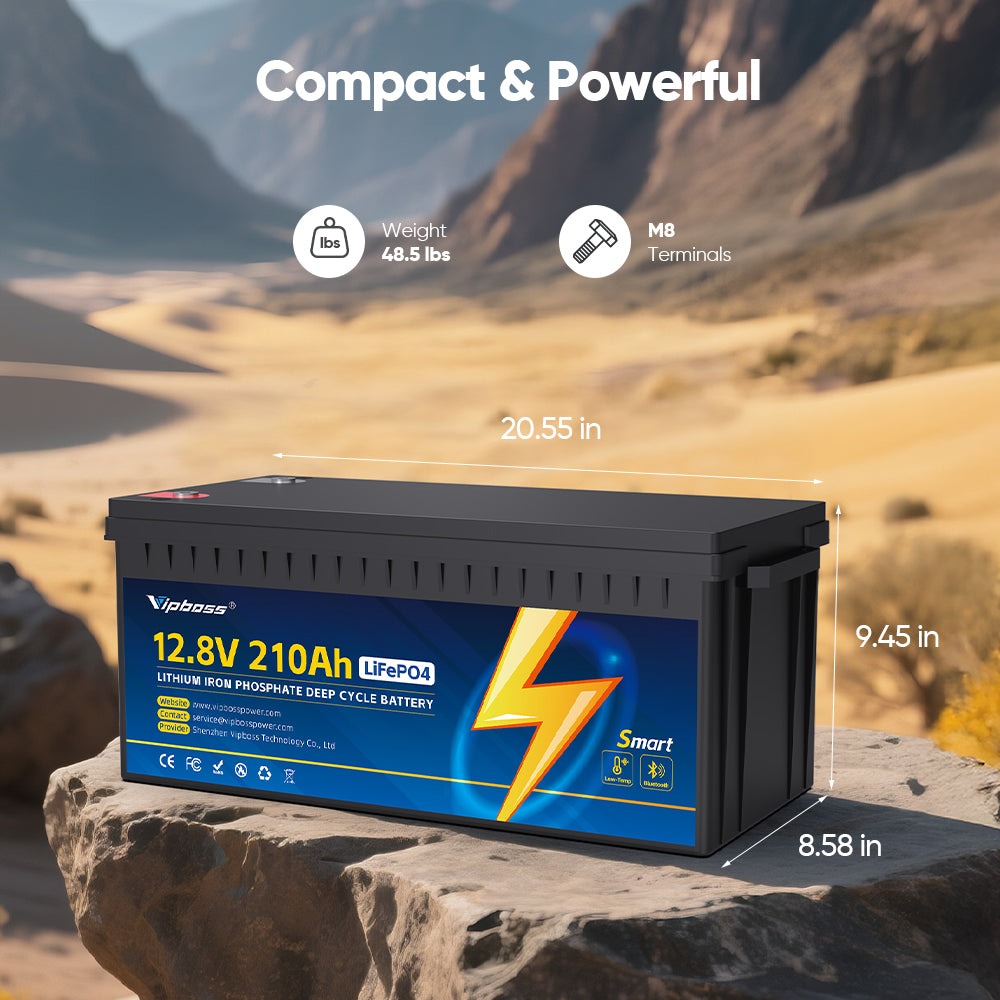
The power grid was designed for one-way energy flow from centralized plants to passive consumers, but that model is rapidly becoming obsolete. Home battery storage inverts this relationship, allowing homeowners to generate, store, and manage their own electricity with unprecedented control. This isn’t just about backup power during outages—it represents a fundamental shift in how households interact with energy. Modern storage systems enable time-shifting solar production to evening peak usage, participating in utility demand response programs for credits, and maintaining essential services during grid failures that are becoming increasingly common due to aging infrastructure and extreme weather events.
Why Grid Dependency Is Becoming A Liability
Utility rates continue climbing while grid reliability deteriorates in many regions. Time-of-use pricing structures charge premium rates during evening hours when solar panels produce nothing, forcing homeowners to buy expensive grid power precisely when they need it most. Meanwhile, aging transmission infrastructure struggles with bidirectional power flow from distributed solar generation, leading to voltage regulation problems and equipment failures.
Power outages have increased in frequency and duration across most of the country over the past decade. Severe weather events, wildfires, and infrastructure failures regularly leave communities without power for hours or days. For households with medical equipment, home-based businesses, or simply modern lifestyles dependent on connectivity and refrigeration, these outages create serious problems. Home battery storage systems provide resilience that grid connections simply cannot guarantee anymore. When your neighbors lose power, battery-backed homes maintain normal operations, preserving food, comfort, and productivity.
Matching Storage Capacity To Household Needs
Determining appropriate home battery storage capacity requires analyzing your specific usage patterns rather than relying on average household statistics. Begin by examining your utility bills to understand daily consumption—most households use ten to thirty kilowatt-hours per day, but individual patterns vary dramatically based on square footage, climate control needs, and appliance efficiency.
Critical load calculations identify which circuits you absolutely must keep powered during outages. Refrigeration, a few lights, phone charging, and perhaps a gas furnace blower represent bare-minimum loads that might total only two to three kilowatt-hours daily. Comfortable operation including air conditioning, cooking appliances, entertainment systems, and home offices might require fifteen to twenty kilowatt-hours. Most homeowners find that battery systems sized to provide one to two days of reduced consumption offer the best balance between cost and utility. Larger battery banks provide extended autonomy but increase costs substantially—each additional kilowatt-hour of storage adds to system expense and installation complexity.
Integration With Solar And Grid Systems
Home battery storage achieves maximum value when paired with solar panels, though batteries provide benefits even in grid-only configurations. Solar-plus-storage systems capture daytime generation and shift it to evening peak usage, dramatically reducing or eliminating grid purchases. This load shifting creates immediate savings in regions with time-of-use rates where evening electricity costs two to three times as much as midday power.
Proper system sizing requires coordinating solar capacity with battery storage and household loads. Oversized solar arrays generate excess power that batteries can’t absorb and must be exported to the grid, often at poor compensation rates. Undersized arrays may not fully charge batteries, forcing the system to draw from the grid. Most effective designs size solar arrays to match daily consumption plus battery charging needs, with storage capacity sufficient to bridge the gap between solar production and usage patterns. Companies like Vipboss engineer integrated solutions where battery management systems communicate with solar inverters to optimize charging and usage automatically.
Financial Returns Beyond Simple Payback Calculations
Evaluating battery storage purely on electricity bill savings misses substantial value that these systems provide. Grid electricity rates increase an average of three to five percent annually, meaning savings grow over time as utility costs rise. Systems installed today will generate larger savings five and ten years from now as rate increases compound. This escalating benefit rarely appears in payback calculations that assume static electricity prices.
Resilience value during outages defies simple financial quantification. What’s it worth to keep your food from spoiling, maintain home cooling during heat waves, power medical equipment, or continue working from home during prolonged outages? Insurance claims, lost wages, hotel costs, and spoiled inventory can easily exceed thousands of dollars for a single extended outage. Battery systems eliminate these risks entirely. Some homeowners also qualify for incentives including federal tax credits, state rebates, and utility demand response programs that compensate battery owners for making stored energy available during peak demand events. These incentives can reduce system costs by twenty to forty percent depending on location.
Installation Considerations And Requirements
Home battery installations require careful planning regarding placement, electrical integration, and permitting. Most batteries perform best in temperature-controlled environments—basements, garages, and interior utility rooms provide stable conditions year-round. Outdoor-rated enclosures work in climates without temperature extremes but cost more and may reduce battery lifespan slightly. Weight considerations matter for wall-mounted batteries, as each unit can weigh hundreds of pounds requiring structural support verification.
Electrical integration involves decisions about backup coverage. Whole-home backup requires larger batteries and more complex panel configurations but maintains normal lifestyle during outages. Critical loads panels provide backup only to essential circuits, reducing battery size requirements and system costs while still protecting vital functions. Your installer will need to coordinate with your utility regarding interconnection requirements, and most jurisdictions require permits and inspections for battery installations. Plan for the full installation process to take several weeks from initial design through final approval, though the actual installation work typically completes in one or two days.
Maintenance And Lifecycle Management
Modern lithium battery systems require minimal maintenance compared to older technologies, but monitoring and occasional attention optimize performance and longevity. Most systems include monitoring apps that display charge state, energy flow, and system health in real-time. Reviewing this data periodically helps you understand usage patterns and identify potential issues before they become problems. Battery management systems automatically balance cell voltages and protect against overcharging or over-discharging, but firmware updates occasionally improve these algorithms—checking for and installing updates ensures optimal performance.
Battery capacity gradually decreases over years of use, though quality systems retain eighty percent or more of original capacity after ten years. As capacity fades, you may notice reduced backup duration during outages or inability to time-shift as much solar production. Most manufacturers warrant batteries for ten years or a specific number of cycles, and understanding warranty terms helps you make informed decisions about replacement timing. When batteries do eventually require replacement, recycling programs recover valuable materials for reuse in new batteries, supporting the circular economy and reducing environmental impact.
Taking Control Of Your Energy Future
Home battery storage represents one of the most practical technologies available for reducing energy costs, increasing resilience, and achieving greater self-sufficiency. As grid electricity becomes more expensive and less reliable, battery systems offer homeowners a path toward energy independence that was simply unavailable a decade ago. The technology has matured to the point where installations are straightforward, systems are reliable, and financial returns are compelling for most households. Whether your motivation is cost savings, environmental responsibility, or peace of mind during outages, home battery storage delivers tangible benefits that grow more valuable every year.