Money management isn’t about saving more or spending less. As income, responsibilities and financial objectives grow, managing finances can become more complicated. This is where a personal financial planner can help.
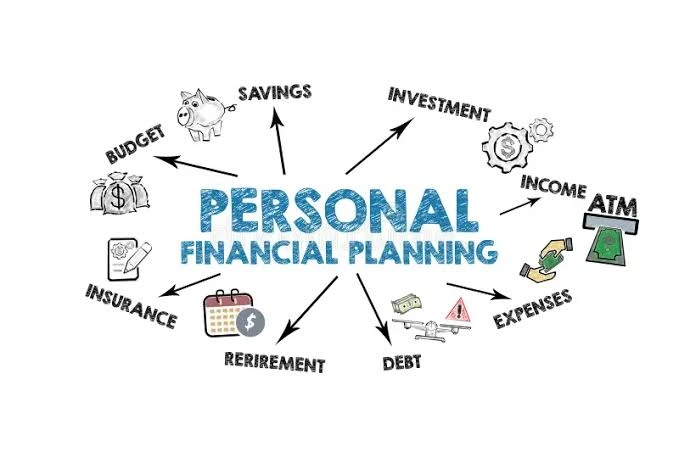
A financial planner will look at various areas of your finances, including your savings, investments, insurance, debt and future goals and help you develop a more organized approach. Planning integrates financial decisions as a component of a broader strategy rather than isolating financial decisions.
What Does a Personal Financial Planner Do?
A process that helps you understand where you are today and develop a structured plan for the future. Financial planning
The process normally begins with an analysis of your income, expenses, savings, existing investments, loans and financial obligations. The planner can then help you identify short- and long-term goals, such as saving for an emergency fund, buying a home, saving for a child’s education or planning for your own retirement.
There is no question of merely suggesting investments. A more comprehensive financial plan considers how different decisions are connected and whether they align with the individual’s overarching financial objectives.
Why Personal Finance Management Matters
Good personal finance management provides clarity about where your money is going and whether your current financial habits are helping you move towards your goals.
If you don’t have a clear structure it can be easy to save inconsistently, take on unnecessary debt or invest without knowing how a product fits into the overall plan.
Good money management may mean things like budgeting, saving for emergencies, managing debt and saving for future goals. It can also help people to be prepared for unforeseen expenses instead of depending too much on credit when an emergency arises.
A financial planner can help tie all of these different areas together so every decision helps with a bigger financial plan.
Creating Financial Goals
Financial goals can vary significantly from one person to another. A person just starting out in life may worry more about saving up money and paying the monthly bills, whereas another person may be planning for retirement or buying a house.
A personal financial planner can help break down big goals into measurable ones. For example, instead of just deciding to ‘save for retirement’, the planning process may estimate how much is needed, how long is available and how much needs to be invested regularly.
Setting clear goals can help you track progress and adjust if income, expenses or priorities change.
Using Financial Planning Strategies
There is no single plan that fits everyone. Your financial planning strategies will depend on your age, income, financial responsibilities, risk tolerance and goals.
For example, if you have high-interest debt, you might want to pay that down before putting more money into some investments. Another person with sound finances might be interested in long-term investing or retirement planning.
Diversification may also be part of financial planning. Depending on their goals and risk appetite, individuals may opt to diversify their investments across various asset classes rather than putting all their money into a single investment.
The important point is that financial strategies should be linked to an individual’s specific circumstances rather than followed simply because they are popular.
How to Manage Personal Finances Better
Learning how to manage personal finances begins with understanding your cash flow.
Start by tracking income and expenses. This will help to identify essential costs, discretionary spending and areas where money may be saved. The next step is typically to establish an emergency fund to meet unexpected financial needs.
Debt management is equally important. When you borrow money at high interest rates, you are reducing the amount of money you can save and invest. So look closely at your repayment priorities.
Regular investing can also be part of long-term financial planning. However, the type of investment should depend on the goal, investment horizon and risk tolerance.
Good habits are also to regularly review finances.” Changes in salary, family responsibilities, inflation or financial objectives may require you to adjust your original plan.
How Can a Financial Planner Add Value?
One of the main benefits of working with a financial planner is gaining a structured view of your finances.
People sometimes make financial decisions independently without considering how one decision affects another. For example, investing aggressively while carrying expensive debt may not always align with the person’s overall financial position.
A planner can help connect these decisions and identify potential gaps in areas such as emergency savings, insurance or long-term planning.
They can also help individuals review their progress periodically and make changes when circumstances evolve.
Choosing a Personal Financial Planner
Before selecting a personal financial planner, it is important to understand their qualifications, experience and approach.
Individuals should also ask how the planner is compensated, what services are included and whether there are any potential conflicts of interest. A planner should be able to explain recommendations clearly rather than relying on complicated financial terminology.
The objective should be to find someone whose approach matches your financial needs and who encourages informed decision-making.
Conclusion
Building a stronger financial future generally requires more than occasional saving or investing. It involves understanding your financial position, setting realistic goals and following a plan that can adapt over time.
A personal financial planner can help bring structure to personal finance management, identify suitable financial planning strategies, and provide guidance on how to manage personal finances more systematically.
However, financial planning remains an ongoing process. Regular reviews, informed decisions and disciplined financial habits are just as important as creating the initial plan.