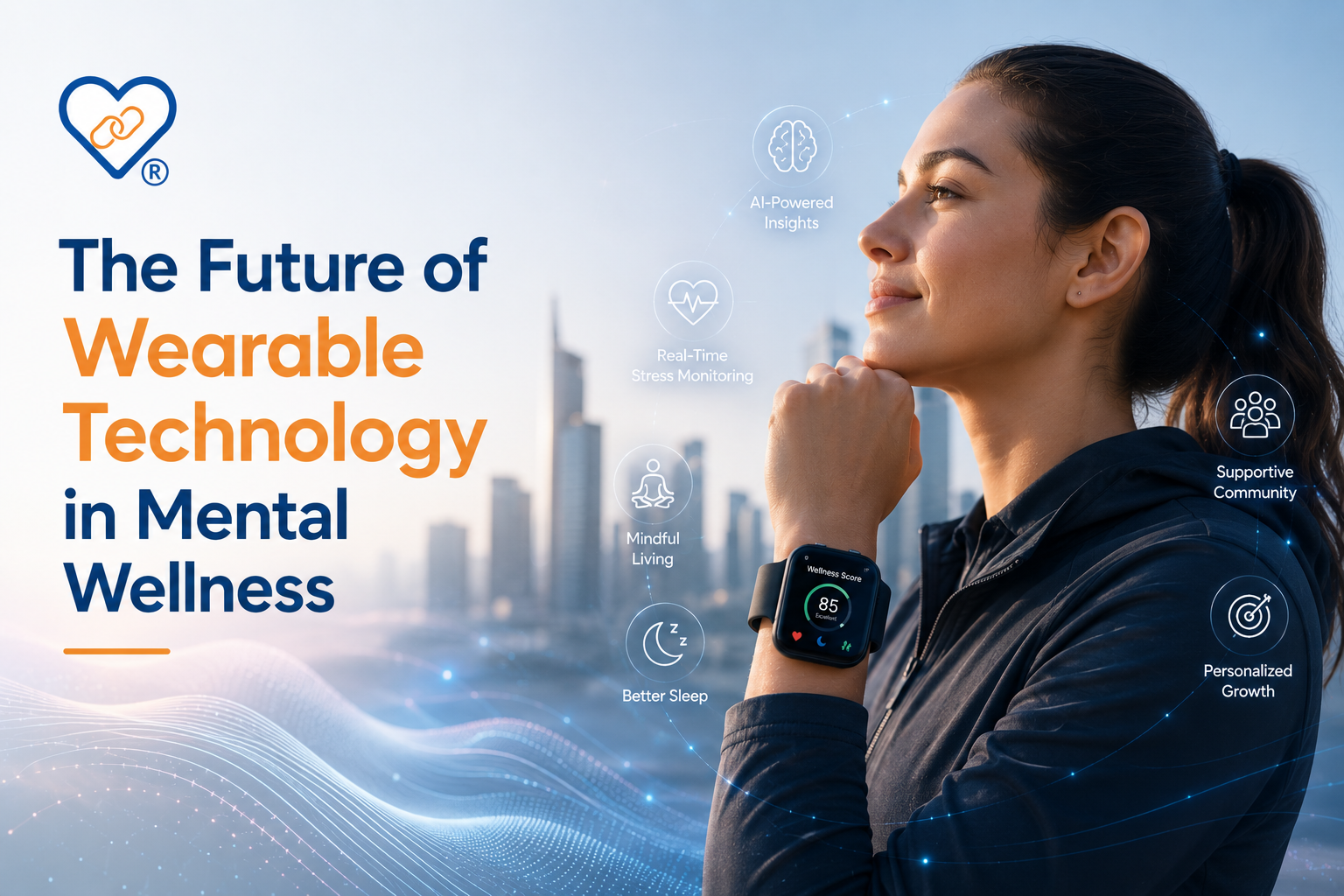
Fitness trackers spent a decade optimizing for steps, heart rate, and calories. That data is useful, but it answers a narrow question: how hard is your body working. It says nothing about whether you’re focused, motivated, or mentally steady. That gap is closing fast. Wearable Technology trends over the past two years point in one clear direction: devices that track and support mental state, not just physical output. This piece breaks down what’s actually changing, what role AI plays in it, and where the category goes from here.
What’s Driving Wearable Technology Trends Toward Mental Wellness?
Wearable technology trends are shifting toward mental wellness because physical metrics alone stopped being enough for users. People tracked 10,000 steps a day and still felt burned out, unfocused, and disconnected from their goals.
That disconnect created demand for something different: a device that addresses attention, motivation, and stress, not just movement. Manufacturers noticed. Mental wellness features started appearing on mainstream devices within the last two product cycles.
A real pattern shows up in customer feedback across the category. Users report that step counts stopped feeling motivating after the first few months. What kept people engaged longer was tracking something that felt personal, like a goal or a mood pattern, not a generic fitness number.
How Does AI in Mental Health Actually Work on a Wearable?
AI in mental health on a wearable device means personalized timing, content, and pacing, not diagnosis or clinical treatment. The device learns your patterns and adjusts what it delivers and when.
A basic reminder app sends the same notification to everyone at the same time. AI-driven systems work differently. They learn that a specific user’s motivation dips around 2 pm and deliver a reminder or affirmation right before that dip instead of after it.
This matters more than it sounds. A generic notification gets dismissed. A well-timed one gets acted on. The difference between the two is entirely about learning individual patterns over time, which is exactly what rule-based reminders cannot do.
None of this replaces a clinician. AI in mental health supports daily habits. It does not assess conditions or replace professional care.
Which Trends Are Already Live?
Several Wearable Technology trends have already moved beyond concepts. Sleep and mood correlation tracking is live. Cognitive mini-games are live. Community accountability features are live.
Some of the most practical developments include:
- Sleep-to-mood correlation that shows how poor sleep affects focus the following day.
- Cognitive wellness games built directly into the wearable instead of requiring another app.
- Goal visualization displayed on the device to improve consistency.
- Community accountability that encourages progress through shared goals instead of isolated tracking.
These features focus on creating lasting habits rather than simply collecting more health data.
Where Is Wearable Technology Headed Next?
The next wave of wearable technology points toward environmental responsiveness, where devices adjust surroundings based on detected mood or stress instead of simply reporting health metrics.
Smart connections with lighting, sound, and temperature are already being explored across the industry. Direct communication features are also becoming more common, allowing users to receive calls, alerts, and accountability through the wearable itself instead of relying entirely on smartphones.
The shift is moving from passive monitoring toward active support that fits naturally into everyday life.
What Should You Look for in a Mental Wellness Wearable?
Look for a wearable that tracks purpose alongside physical data, personalizes reminders instead of sending generic alerts, and includes some form of community or accountability.
Before choosing a device, consider these questions:
- Does it track goals and mood, or only physical activity?
- Are reminders personalized to your routine?
- Is there meaningful onboarding that helps establish long-term habits?
- Does it include a supportive community instead of leaving users to track progress alone?
These features separate true mental wellness platforms from standard fitness trackers.
Conclusion
Wearable devices are evolving beyond step counting into tools that support focus, motivation, and daily mental wellness. As AI becomes more personalized and community features become standard, the future of wearable technology is shifting toward helping people build healthier habits instead of simply reporting data. Platforms like Dirac Links reflect this direction by combining personalized motivation, goal tracking, and mental wellness features into a more complete wearable experience.