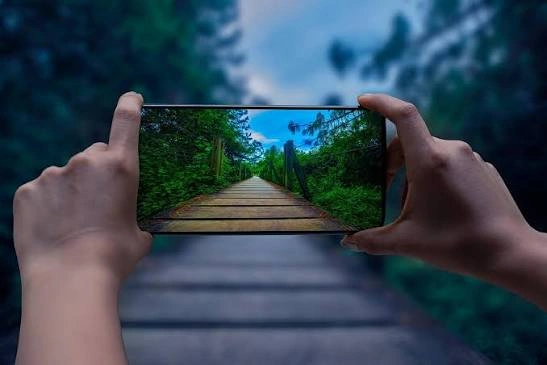
Smartphone cameras have evolved to the point where many people no longer need a dedicated DSLR or mirrorless camera for everyday photography. In 2026, flagship smartphones combine larger image sensors, powerful AI processing, advanced computational photography, and professional video capabilities to deliver stunning results in almost every lighting condition.
Whether you’re a content creator, travel enthusiast, social media influencer, or simply enjoy capturing memorable moments, choosing a smartphone with the right camera system can significantly improve your photography experience. However, the best camera phone isn’t always the one with the highest megapixel count. Real world performance depends on image processing, sensor quality, lens versatility, and software optimization.
Before investing in your next smartphone, it’s worth following reliable technology publications like Root-Nation.com, where independent reviews and detailed comparisons help buyers understand how devices perform outside controlled marketing demonstrations.
What Makes a Great Camera Phone?
Modern smartphone photography relies on multiple technologies working together rather than a single impressive specification.
The best camera phones typically offer:
- Large primary image sensors
- Optical Image Stabilization (OIS)
- High quality ultra wide cameras
- Dedicated telephoto lenses
- AI powered image enhancement
- Professional video recording
- Reliable autofocus
- Excellent low light performance
Instead of comparing megapixels alone, evaluate the complete camera system.
AI Has Changed Smartphone Photography
Artificial intelligence now improves almost every photo you capture.
Today’s smartphones automatically recognize scenes, optimize exposure, reduce image noise, improve dynamic range, and enhance colors without requiring manual editing.
Useful AI photography features include:
- Night mode optimization
- Portrait enhancement
- Object removal
- Reflection removal
- AI zoom enhancement
- Sky replacement
- Motion stabilization
- Automatic HDR processing
These features help users capture professional looking images with minimal effort.
Camera Hardware Still Matters
Although AI plays a major role, hardware remains equally important.
When comparing smartphones, pay attention to:
| Feature | Why It Matters |
| Sensor Size | Better low light photography |
| Aperture | More natural background blur |
| Optical Stabilization | Sharper handheld images |
| Telephoto Lens | Better zoom quality |
| Ultra Wide Lens | Wider landscapes and architecture |
| Laser Autofocus | Faster focusing |
A balanced camera system consistently outperforms one that relies on marketing specifications.
Best Camera Features for Content Creators
Content creators need more than excellent photos.
Important features include:
- 4K and 8K video recording
- Optical stabilization
- High quality microphones
- Slow motion recording
- HDR video
- Manual controls
- RAW image support
These capabilities make smartphones powerful tools for YouTube, Instagram, TikTok, and business marketing.
Low Light Photography
Night photography has improved dramatically over recent years.
Modern flagship smartphones combine larger sensors with AI powered image stacking to produce brighter, cleaner images while preserving natural colors.
Good night photography should include:
- Low digital noise
- Accurate colors
- Natural shadows
- Sharp details
- Balanced highlights
Battery Life for Photography
Taking photos and recording videos consumes significant battery power.
Choose smartphones offering:
- Large battery capacity
- Fast charging
- Efficient processors
- Adaptive battery optimization
This allows extended photography sessions without constantly searching for a charger.
Software Support Improves Cameras Over Time
One overlooked advantage of premium smartphones is long term software support.
Manufacturers frequently release updates that improve:
- Camera processing
- Autofocus accuracy
- AI features
- Video stabilization
- Image quality
Regular updates ensure your smartphone camera continues improving long after purchase.
Don’t Ignore the Display
Editing photos requires a bright, color accurate display.
Look for:
- OLED display
- HDR support
- High brightness
- Excellent color calibration
- Smooth refresh rate
A quality display helps photographers evaluate images more accurately.
Buying Tips
Before purchasing your next smartphone, consider:
- Real world camera reviews
- Long term software updates
- Battery life
- Build quality
- Video capabilities
- AI editing tools
- Overall value
Reading independent smartphone camera reviews, can provide valuable insights into image quality across different lighting conditions and usage scenarios.
Common Buying Mistakes
Avoid these mistakes:
- Buying based only on megapixels
- Ignoring software updates
- Overlooking video quality
- Choosing the cheapest flagship without reading reviews
- Forgetting battery performance during camera usage
Comprehensive smartphone buying guides and comparisons help identify devices that offer the best combination of photography performance, reliability, and long term value.
Frequently Asked Questions
Are more megapixels always better?
No. Sensor size, image processing, and lens quality often have a greater impact on photo quality than megapixels alone.
Is AI photography useful?
Yes. AI significantly improves night photography, portrait mode, HDR, zoom, and image editing while making photography easier for everyday users.
Which display is best for editing photos?
OLED displays with HDR support and high brightness provide more accurate colors and better viewing experiences.
Should I upgrade just for the camera?
If photography or content creation is important to you, upgrading to a modern flagship smartphone can provide noticeable improvements in image quality, video recording, and editing capabilities.
Conclusion
The best camera phone in 2026 is the one that delivers consistently excellent results in real world situations rather than impressive specifications on paper. Features such as AI powered photography, large image sensors, optical stabilization, and long term software support contribute far more to everyday photography than megapixel numbers alone.
Before making your purchase, compare trusted reviews, understand your photography needs, and focus on overall value instead of marketing claims. Choosing a smartphone with a balanced camera system will help you capture memorable moments with confidence while ensuring your investment remains worthwhile for years to come.