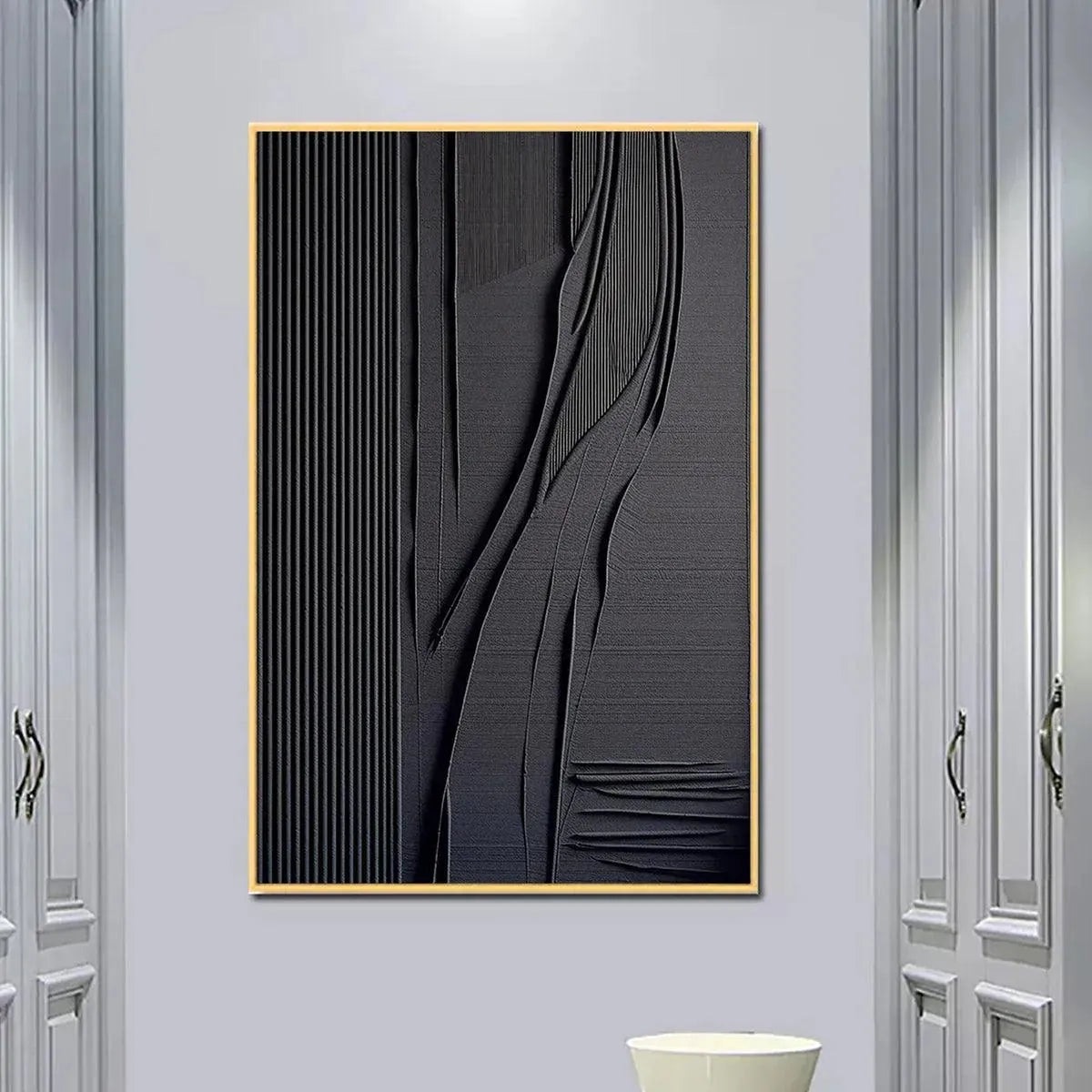
Finding a gift that feels truly personal and meaningful can be one of the most frustrating parts of any celebration. You want something that goes beyond the generic, something the recipient will cherish rather than tuck away in a closet. Textured abstract art paintings offer a compelling solution to this universal dilemma. These pieces bring warmth, dimension, and character to any living space, transforming bare walls into conversation starters. Unlike mass-produced home accessories, textured paintings carry an artistic identity that speaks to individuality. Whether you’re searching for unique gifts for a loved one or looking to elevate your own space with art for home, these tactile works bridge the gap between personal expression and practical decor. They invite touch, spark curiosity, and create an atmosphere of comfort that few other gifts can achieve. In this guide, we’ll explore how textured paintings can become your go-to choice for memorable, cozy, and deeply personal gifting.
The World of Abstract Art Paintings: An Introduction to Texture and Style
Abstract art paintings strip away literal representation to communicate through color, form, and movement. In modern interiors, they serve as visual anchors that tie a room together without competing with existing furnishings. Their open-ended nature means they adapt to minimalist lofts, rustic farmhouses, and everything in between. What elevates abstract art from flat canvas work to something truly captivating is texture—the physical dimension that transforms a painting from something you merely look at into something you experience. Raised surfaces catch light differently throughout the day, creating subtle shifts in shadow and tone that keep a piece feeling alive. This interplay of light and dimension is what draws people toward cool abstract art that refuses to fade into the background. Textured abstract paintings tap into emotion on a primal level. The roughness of a palette knife stroke can evoke raw energy, while softly layered plaster suggests calm and contemplation. These tactile qualities make abstract pieces remarkably versatile across design aesthetics—they can anchor a bohemian space with organic forms or bring controlled drama to a contemporary room through geometric ridges.
What Makes Textured Paintings Stand Out?
The distinction lies in technique and physicality. Artists create texture through methods like impasto, where thick layers of paint are applied with a knife or brush to build pronounced ridges and peaks. Mixed media approaches incorporate materials such as sand, modeling paste, fabric, or even natural fibers directly onto the canvas, producing surfaces that beg to be touched. Some artists score into wet layers to reveal colors beneath, adding archaeological depth to the work. The sensory appeal of these techniques translates powerfully in home spaces. A textured painting on a living room wall doesn’t just occupy visual space—it introduces a third dimension that flat prints and photographs simply cannot replicate. Guests notice the craftsmanship immediately, and the piece becomes a natural conversation starter. Under different lighting conditions, the same painting can appear dramatically transformed, offering the homeowner an ever-changing focal point that justifies its presence day after day.
Why Textured Paintings Are Perfect Unique Gifts for Every Occasion
Gift-giving becomes effortless when you discover something that carries emotional weight without feeling overly sentimental. Textured paintings occupy that rare sweet spot—they’re practical enough to use daily as decor yet personal enough to communicate genuine thoughtfulness. Unlike a candle that burns down or a gadget that becomes obsolete, a painting remains a lasting presence in someone’s home, quietly reminding them of the person who gave it and the occasion it marked.
Consider the housewarming scenario. A friend moves into a new apartment with empty walls and uncertain decorating plans. A textured abstract piece gives them an immediate anchor point—something to build a room around rather than just fill space. For birthdays, these paintings signal that you invested thought into understanding what would genuinely enhance their daily life. Anniversary celebrations gain depth when the gift itself carries dimension and permanence. Even corporate gifts benefit from this approach, as a well-chosen piece communicates respect without crossing into overly personal territory.
What makes textured paintings particularly effective as unique gifts is their universality paired with specificity. Nearly everyone has walls, and nearly everyone appreciates beauty—but the particular combination of colors, textures, and forms you select demonstrates that you considered this specific person’s world. The gift doesn’t demand a particular taste in music, a clothing size, or a dietary preference. It simply asks for wall space and an appreciation for artistry.
Matching Art to Recipient’s Taste and Home Decor
Selecting the right piece requires a bit of detective work, but the effort pays dividends in the recipient’s reaction. Start by recalling their existing space. What colors dominate their furniture, throw pillows, and rugs? A painting that echoes or thoughtfully contrasts these tones will feel intentional rather than random. If their home leans toward neutral beiges and whites, a textured piece with warm amber and cream tones integrates seamlessly, while a bold cobalt or emerald work could serve as a striking accent they’d never choose themselves but will love once it’s hung. Pay attention to their general aesthetic sensibility—do they gravitate toward organic, flowing shapes or clean geometric lines? Someone with mid-century modern furniture will likely respond to structured compositions with controlled texture, while a friend whose space features woven textiles and plants may prefer pieces with irregular, nature-inspired surfaces. When in doubt, earth tones and abstract landscapes with heavy texture tend to resonate broadly, feeling neither too bold nor too safe. If possible, photograph their main living area discreetly during a visit to reference later when browsing options.
Choosing the Right Art for Home: A Guide to Cozy Decor with Abstract Paintings
Creating a cozy atmosphere through art for home requires more than picking something pretty off a shelf. The right abstract painting should feel like it belongs—as though the room was always waiting for it. This means thinking carefully about how color, scale, and subject matter interact with the existing environment. A piece that’s too small gets swallowed by a large wall, while an oversized canvas in a compact room can feel oppressive rather than inviting. The goal is harmony that still carries visual interest, a balance between fitting in and standing out just enough to draw the eye without overwhelming the senses.
Color and Theme Selection for Warmth and Comfort
Warm color palettes naturally foster feelings of comfort and intimacy. Think burnt sienna, terracotta, deep gold, muted olive, and soft clay—these earth-inspired hues ground a space and make it feel lived-in rather than sterile. Textured paintings in these tones work particularly well in rooms where people gather and unwind. Serene abstracts featuring gentle gradients or layered horizons evoke landscapes without depicting them literally, triggering a subconscious sense of openness and calm. For cooler-toned rooms, consider pieces that blend slate blue with warm undertones of copper or sand to maintain coziness without clashing. Avoid overly stark contrasts in spaces meant for relaxation—instead, look for paintings where colors transition gradually through textured layers, mimicking the gentle shifts found in nature.
Strategic Placement in Living Spaces
Living rooms benefit most from textured paintings placed above sofas or mantels, where they anchor seating areas and become natural focal points during conversation. Hang pieces at eye level—roughly 57 inches from floor to center—so they engage viewers comfortably without requiring them to crane upward. Bedrooms call for calmer compositions positioned above headboards, where soft texture and muted tones promote restfulness. Hallways and entryways offer unexpected opportunities; a textured piece in a narrow corridor catches light from adjacent rooms and creates depth in otherwise transitional spaces. Consider how natural and artificial light hits the wall throughout the day, as textured surfaces transform dramatically under shifting illumination. A painting that receives morning sunlight will reveal different shadows than one lit by an evening lamp, so position pieces where this dynamic quality can be fully appreciated.
Solution Steps for Gift Shoppers: Navigating Customization and Return Policies
Buying art as a gift introduces uncertainties that don’t exist with conventional presents. Will the colors work in their space? What if the scale is wrong? These concerns keep many shoppers from pulling the trigger on what would otherwise be a remarkable gift. The good news is that the textured painting market has evolved to address exactly these hesitations, offering customization pathways and buyer protections that make the process far less daunting than it once was.
Step 1: Exploring Customization for a Personal Touch
Many artists and galleries now offer commissioned work where you specify dimensions, dominant colors, and even texture intensity. This transforms a beautiful painting into a truly personal gift crafted with someone specific in mind. Start by gathering reference images of the recipient’s space, then communicate these to the artist along with your preferred palette. Studios like MontCarta provide options for selecting from existing compositions while adjusting elements to suit your needs, delivering personalization without the longer timelines of fully bespoke work. Some sellers also provide digital mockups showing how a piece will look on a particular wall before production begins, eliminating guesswork entirely. You can request specific canvas sizes to fit awkward spaces or complement existing gallery walls, making the entire process feel tailored rather than transactional.
Step 2: Ensuring Confidence with Clear Return Policies
Before purchasing, verify the seller’s return window and conditions. Reputable art sellers typically offer between 14 and 30 days for returns, understanding that art must be seen in its intended environment to be properly evaluated. Check whether the policy covers exchanges for different sizes or colorways, which can resolve fit issues without a full refund process. Confirm shipping protections—textured paintings require careful packaging, and damage during transit should always be covered by the seller. Read reviews specifically mentioning the unboxing experience and packaging quality. For online purchases, look for sellers who provide detailed photographs showing texture from multiple angles and under different lighting, reducing the gap between expectation and reality. Keeping the original packaging until the recipient confirms they love the piece is a simple precaution that preserves all your options.
Transform Your Gifting with Textured Art That Lasts
Textured abstract art paintings represent a gifting category that genuinely solves the problem of finding something meaningful, lasting, and universally appreciated. They bring physical dimension and emotional warmth to any living space, turning ordinary walls into sources of daily inspiration and comfort. The beauty of choosing textured paintings as unique gifts lies in their ability to feel both deeply personal and endlessly practical—they enhance a home’s atmosphere while honoring the recipient’s individuality. From selecting the right color palette and placement to navigating customization options and return policies, the process of gifting art has become more accessible and risk-free than ever. Whether you’re celebrating a milestone, welcoming someone into a new home, or simply wanting to show you care in a way that transcends the ordinary, textured abstract art delivers on every front. Consider making these tactile, visually rich pieces your signature gift choice—or bring one into your own space to experience firsthand how art for home can transform not just a room, but how you feel within it.