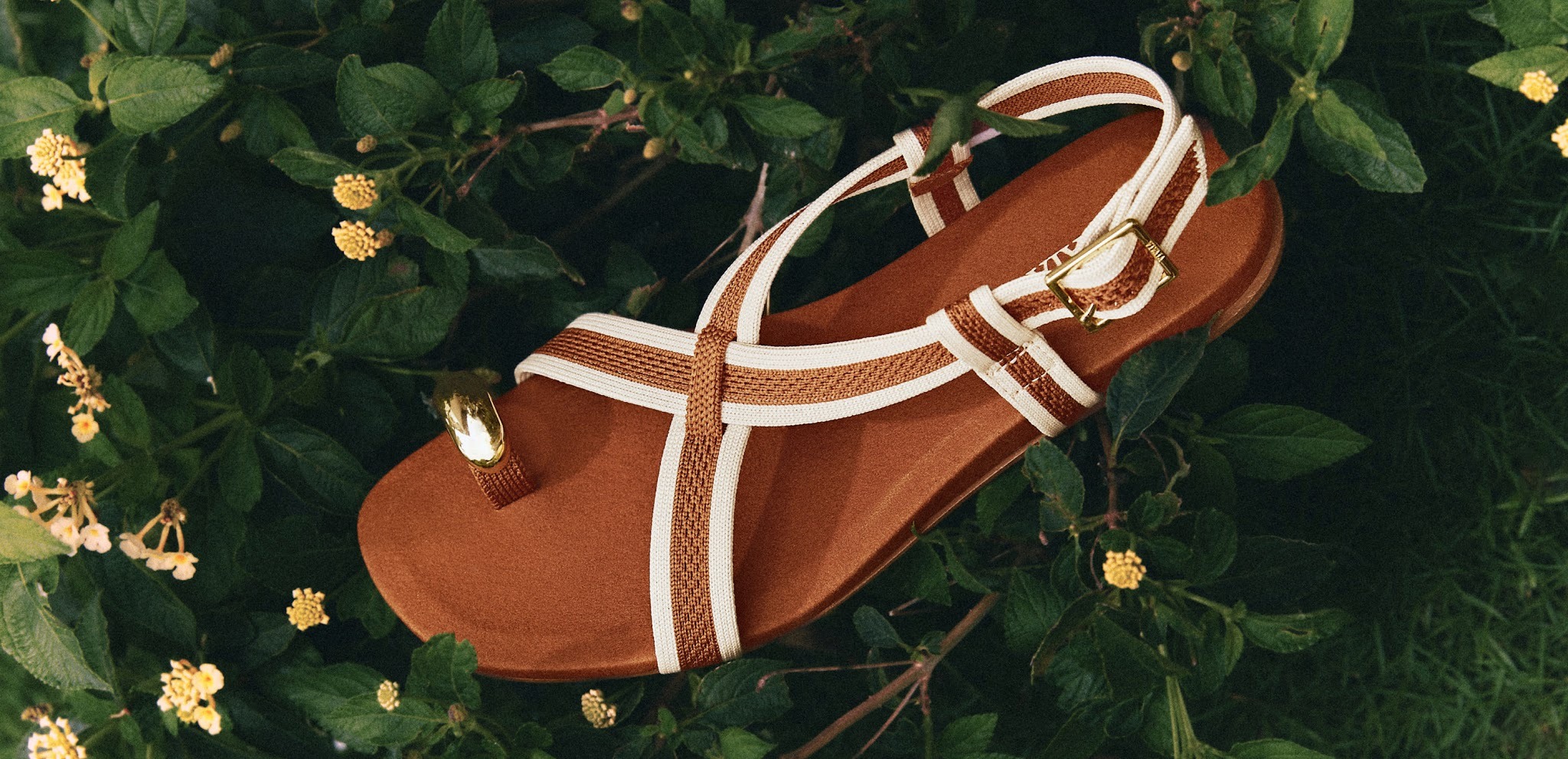
Sustainable fashion is no longer a niche movement — it’s reshaping how millions of consumers shop, from clothing to footwear. Yet finding sandals that genuinely respect the planet while keeping your feet happy remains a real challenge. Too often, eco-friendly options sacrifice comfort for conscience, or stylish designs come loaded with environmental guilt. The good news? That gap is closing fast. Slip-on sandals crafted from recycled materials, including innovative plastic bottle sandals, are proving that sustainability and everyday wearability can coexist beautifully. Pointed silhouettes, minimalist designs, and cushioned footbeds are showing up in collections that prioritize both the earth and the wearer. This guide is built for eco-conscious shoppers who refuse to compromise. We’ll explore the materials driving greener footwear, break down the comfort features that matter most in women’s sandals, and walk you through choosing a pair that fits your style, values, and lifestyle. Whether you’re drawn to effortless slip-on designs or sleek pointed sandals, you’ll discover that dressing sustainably has never looked — or felt — this good.
The Rise of Eco-Friendly Sandals: Benefits and Materials
The footwear industry carries a surprisingly heavy environmental footprint. Traditional sandal production relies on petroleum-based plastics, chemically treated leathers, and synthetic adhesives that release volatile organic compounds during manufacturing. Each year, billions of shoes end up in landfills, where they can take decades — sometimes centuries — to decompose. The environmental cost extends beyond waste: water pollution from tanning processes, carbon emissions from global shipping, and resource depletion all compound the problem.
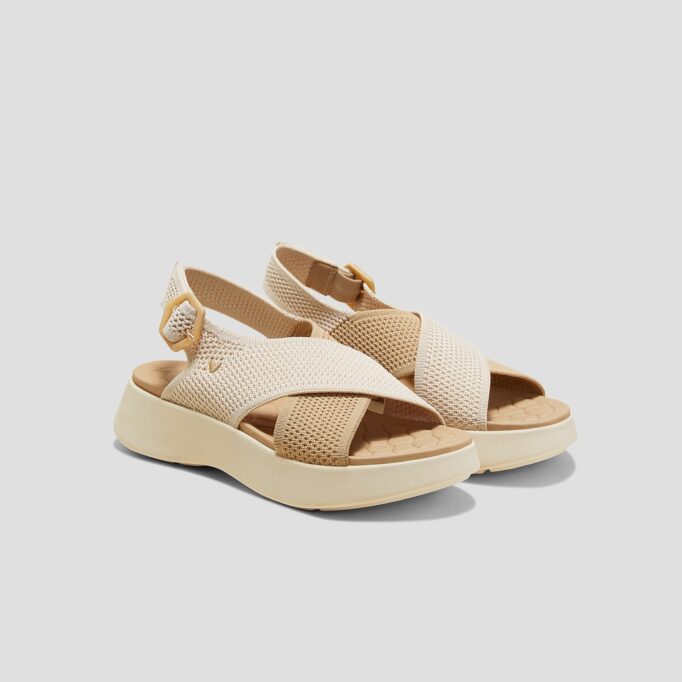
This is precisely why eco-friendly sandals represent more than a trend — they’re a necessary shift. Innovations in recycled materials have opened the door to footwear that diverts waste from oceans and landfills while delivering performance that rivals conventional options. Plastic bottle sandals stand out as one of the most compelling developments in this space. By transforming post-consumer PET bottles into durable, soft fibers, manufacturers create straps, uppers, and even footbed components that feel indistinguishable from virgin materials. The result is a product that reduces waste, lowers energy consumption during production, and often proves more durable than its traditional counterpart because recycled PET fibers resist stretching and moisture damage remarkably well.
A persistent myth holds that eco-friendly means aesthetically limited or physically uncomfortable. Today’s sustainable sandal collections shatter that assumption entirely. Designers are pairing recycled materials with contemporary silhouettes, rich colorways, and ergonomic construction that prioritizes the wearer’s experience. Choosing green no longer means settling — it means getting more from every step.
What Are Plastic Bottle Sandals?
Plastic bottle sandals are footwear made partially or entirely from recycled PET plastic — the same material found in single-use water and soda bottles. The manufacturing process begins with collecting post-consumer bottles, cleaning and shredding them into flakes, then melting those flakes into yarn or molded components. This yarn becomes woven straps, knit uppers, or cushioned insole layers. A single pair can divert anywhere from three to twelve bottles from landfills or waterways. Brands like VIVAIA, which has built its collections around recycled PET technology, are demonstrating that upcycled plastic delivers genuine quality, helping consumers wear their environmental values without compromise.
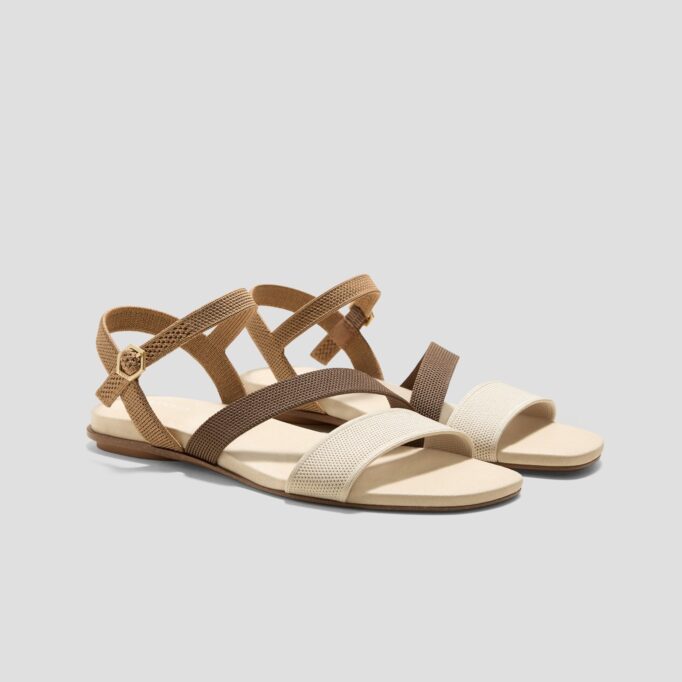
Environmental and Personal Benefits
Choosing sandals made from recycled materials supports the circular economy by keeping plastics in productive use rather than polluting ecosystems. Production typically requires significantly less water than conventional methods and generates fewer greenhouse gas emissions. Many recycled-material sandals also avoid the toxic dyes and chemical adhesives common in traditional footwear, which means fewer irritants against your skin. For consumers with sensitivities, this translates to healthier, more breathable wear. Beyond personal comfort, every purchase signals market demand for responsible manufacturing — a direct way to influence industry practices through everyday spending decisions.
Stylish Slip-On Sandals: Trends and Sustainability
Slip-on sandals have earned their place as a wardrobe essential precisely because they remove friction from getting dressed. No buckles to fumble with, no laces to adjust — just step in and go. That simplicity, paired with clean lines and modern proportions, has made them a favorite across age groups and personal styles. What’s changed recently is how sustainability has woven itself into the DNA of these designs without dulling their visual appeal.
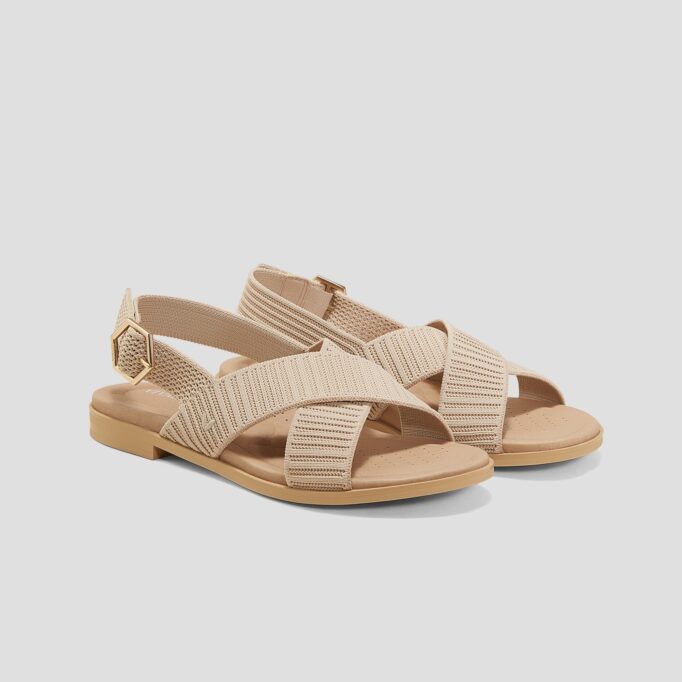
Current fashion trends are leaning into structured silhouettes, and pointed sandals sit at the center of that movement. The elongated toe shape creates a polished, intentional look that transitions smoothly from a morning coffee run to an evening dinner reservation. When that pointed silhouette is built from recycled ocean plastics or upcycled PET fibers, it carries a story that resonates far beyond aesthetics. Designers working with sustainable materials have discovered that recycled yarns accept dye beautifully, hold shape through repeated wear, and lend themselves to both minimalist and textured finishes. This means eco-friendly slip-on sandals now come in muted earth tones, bold seasonal colors, and everything in between.
For the eco-conscious shopper who wants to look put-together without overthinking outfit choices, sustainable slip-ons solve a genuine problem. They pair effortlessly with cropped trousers, midi skirts, wide-leg denim, and linen dresses. The key is recognizing that style and responsibility aren’t competing priorities — they’re design partners. Brands committed to greener production are proving this season after season, releasing collections where pointed sandals and relaxed slide styles coexist with transparent sourcing and reduced-waste packaging.
Versatility of Slip-On Designs
Few footwear categories match the range of slip-on sandals. A flat woven pair works for weekend errands and beach boardwalks, while a structured mule with a low block heel fits comfortably into business-casual dress codes. Travel-friendly and easy to pack, slip-ons eliminate the stress of choosing multiple shoes for a trip. Their no-fuss entry also benefits anyone with mobility considerations or a schedule that demands quick transitions between activities. This combination of accessibility and adaptability explains why slip-on designs consistently rank among the most purchased sandal styles worldwide.
Pointed Sandals: A Sustainable Fashion Statement
Pointed sandals bring architectural precision to sustainable footwear. The tapered toe naturally draws the eye forward, creating a lengthening effect that flatters virtually any foot shape. In eco-friendly collections, this silhouette is being executed with recycled PET uppers, plant-based sole compounds, and water-based adhesives that dramatically cut chemical waste. Some designers add subtle texture — a woven pattern or tonal stitching — that highlights the craftsmanship behind each pair. The result is a sandal that communicates sophistication and environmental awareness simultaneously, giving wearers a way to express values through personal style rather than words alone.
Comfort Features in Women’s Sandals
Style and sustainability matter, but if a sandal hurts by noon, it stays in the closet. Comfortable women’s sandals start with thoughtful engineering beneath the surface — the parts you feel rather than see. Arch support is the foundation of all-day wearability. A contoured footbed that mirrors the foot’s natural curve distributes weight evenly, reducing pressure on the ball and heel. Without it, even the most beautiful sandal becomes a source of fatigue on longer outings.
Cushioning works hand in hand with arch support. Look for multi-density foam or molded insoles that absorb impact without feeling spongy or unstable. The best options compress just enough to cradle the foot while maintaining responsiveness during walking. Adjustable straps — even subtle elastic panels built into slip-on designs — allow the sandal to accommodate natural foot swelling throughout the day, preventing the pinching that rigid constructions often cause.
Breathability is another comfort factor that deserves more attention than it typically gets. Recycled PET fibers, interestingly, perform well here because they can be woven into open-knit patterns that promote airflow while remaining structurally sound. This means eco-friendly materials aren’t just matching traditional options on comfort — they’re sometimes exceeding them. When shopping online, read reviews that specifically mention wear duration. Customer photos showing the sandal after several months of use reveal how well cushioning and structure hold up over time. In-store, walk on hard flooring rather than carpet to get an honest sense of impact absorption. Spend at least five minutes standing and shifting weight before deciding, because initial impressions of softness don’t always predict lasting comfort.
Key Design Elements for All-Day Wear
Padded footbeds rank first among features that separate comfortable sandals from decorative ones. A lightweight EVA or cork-blend midsole keeps the overall shoe from dragging on your feet while providing reliable shock absorption. Ergonomic toe boxes — slightly wider through the forefoot — prevent cramping without sacrificing a sleek profile. Sustainable materials contribute meaningfully here: recycled rubber outsoles tend to be lighter than conventional alternatives, and plant-based foam insoles maintain their shape longer than petroleum-based versions, meaning comfort doesn’t degrade after a few weeks of regular wear.
Balancing Style and Comfort
Modern eco-friendly brands have largely eliminated the old trade-off between looking good and feeling good. Pointed sandals now feature hidden cushioning layers that preserve the streamlined silhouette while protecting the forefoot. Slip-on designs use strategically placed elastic and memory foam linings to hug the foot gently without visible hardware. The trick is seeking out brands that prototype extensively with real wearers rather than designing comfort as an afterthought. Collections that offer both neutral staples and seasonal statement colors in the same comfort platform give you the freedom to express personal style without re-learning what fits.
How to Choose Your Perfect Pair: A Step-by-Step Guide
Shopping for eco-friendly sandals can feel overwhelming when dozens of brands claim sustainability without always backing it up. A structured approach cuts through the noise and helps you land on a pair that genuinely aligns with your values, fits your lifestyle, and feels great from the first wear through the hundredth. The following steps turn what could be a frustrating search into a confident, informed decision — whether you’re browsing online or walking into a store.
Step 1: Assess Your Needs and Preferences
Start by honestly mapping how you’ll wear the sandals. Daily commuters need durable soles and reliable cushioning, while someone shopping for vacation slides can prioritize packability and quick-dry materials. Decide where sustainability ranks alongside style and comfort — for most readers of this guide, all three matter equally. Clarifying these priorities early prevents impulse purchases that gather dust. If pointed sandals appeal to your aesthetic but you spend hours on your feet, you’ll know to focus on options with reinforced arch support built into that silhouette.
Step 2: Research and Verify Eco-Credentials
Not every “green” label tells the full story. Look for the Global Recycled Standard (GRS) certification, which independently verifies recycled content claims, including those made by plastic bottle sandals. Check brand websites for transparency pages detailing supply chains, factory conditions, and material sourcing. Vague language like “eco-inspired” without specifics is a red flag. Trustworthy companies openly share the percentage of recycled content per pair and explain their manufacturing processes. Third-party sustainability ratings from organizations like B Corp add another layer of credibility worth seeking out.
Step 3: Try and Test for Comfort
When shopping online, filter reviews by buyers who describe similar foot shapes or wear patterns to yours, and prioritize brands offering free returns so you can test without risk. Check whether the slip-on sandals feature the comfort elements discussed earlier — contoured footbeds, cushioned midsoles, and breathable uppers. In-store, walk on hard surfaces for several minutes, shift your weight side to side, and confirm the heel doesn’t slip. Afternoon try-ons are ideal because feet naturally expand throughout the day, giving you the most realistic fit assessment.
Step 4: Make an Informed Purchase
With your research complete and fit confirmed, weigh the full picture: verified eco-credentials, comfort during testing, versatility across your wardrobe, and alignment with your personal style. Supporting brands that invest in sustainable innovation — from recycled PET slip-ons to plant-based pointed sandals — sends a market signal that responsible production matters. Many eco-focused retailers offer curated collections organized by material type or certification, making it easy to compare options side by side. Choose the pair that checks every box, and wear it knowing your purchase contributes to meaningful change.
Step Forward With Style, Comfort, and Purpose
Sustainable footwear has reached a turning point where eco-friendly sandals genuinely deliver on style, comfort, and environmental responsibility. As we’ve explored, recycled materials like post-consumer PET plastic are transforming waste into durable, beautiful footwear that rivals — and sometimes outperforms — conventional alternatives. Slip-on sandals offer the effortless versatility that modern wardrobes demand, while pointed silhouettes bring architectural elegance to collections built on ethical principles. Comfort, the non-negotiable foundation of any sandal worth wearing, is now engineered into sustainable designs through contoured footbeds, responsive cushioning, and breathable recycled fibers that keep feet happy from morning through evening.
Plastic bottle sandals and other innovations in recycled footwear prove that your purchasing power can drive real environmental change without asking you to sacrifice personal style or daily comfort. By assessing your needs, verifying eco-credentials, and testing for fit before buying, you can navigate the market with confidence and clarity. Every pair of sustainably made sandals you choose diverts waste from landfills, reduces carbon emissions, and tells the industry that responsible production is what consumers expect. Step forward knowing that looking good and doing good are no longer separate goals — they’re one and the same.