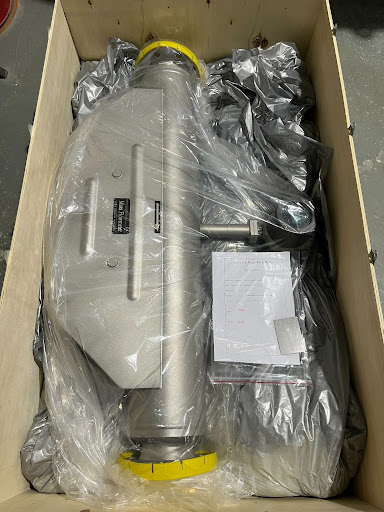
Selecting a Coriolis mass flow meter can be difficult when the process conditions are not fully clear. Many buyers compare accuracy, price, or pipe size first, but later find that viscosity, flow range, installation limits, or fluid behavior affects the actual performance.
This guide explains the five key points to review before choosing a meter. It is written to help engineers, plant teams, and purchasing staff make a practical decision based on real working conditions, not just datasheet numbers.
Understand the Fluid Characteristics First
Before choosing any mass flow meter, start with the fluid itself. A meter that works well for clean water may not perform the same way with thick oil, chemical mixtures, slurry, or fluids that contain small impurities. This is why fluid data should be checked before comparing models or prices.
Key fluid details to review include:
- Viscosity: Thick fluids may create higher pressure loss and need a meter designed for stable measurement under heavier flow conditions.
- Density: Coriolis meters measure mass directly, but density changes can still affect process control and product consistency.
- Temperature: High or changing temperature can influence material selection and long-term meter stability.
- Impurities or particles: Some fluids contain solids, crystals, or other materials that may affect flow behavior.
- Gas bubbles: Entrained air or gas in the fluid can reduce measurement stability and should be considered during selection.
A coriolis type flow meter is often selected because it can handle many challenging fluids, but it still needs to match the actual medium and operating conditions. The more accurate your fluid information is, the easier it is to select a meter that will perform reliably in daily operation.
Evaluate Accuracy Requirements vs. Process Needs
Accuracy is important, but the highest accuracy rating is not always necessary for every application. In some processes, repeatability and stable control matter more than achieving the tightest possible measurement tolerance. Choosing based only on the best accuracy figure can increase cost without adding real value to the operation.
A better approach is to match the meter’s accuracy level with the purpose of the measurement.
| Application Type | Typical Measurement Priority | Selection Focus |
| Custody transfer | High accuracy | Reducing financial measurement risk |
| Batching or dosing | Repeatability | Keeping each batch consistent |
| Process monitoring | Stability | Tracking flow trends over time |
| General plant use | Practical reliability | Balancing cost, accuracy, and durability |
For example, a line used for product billing may need a higher-grade coriolis mass flow meter than a line used only for internal process monitoring. Before finalizing the selection, define how the measurement data will be used. This helps avoid both under-specifying and over-specifying the meter.
Consider Flow Range and Turndown Ratio
After checking the fluid properties and accuracy needs, the next step is to confirm the real flow range of the process. This means looking at the normal operating flow, the lowest expected flow, and the highest possible flow. A meter should not be selected only by the maximum flow listed in the process design, because the line may operate at much lower rates most of the time.
Turndown ratio is also important. In simple terms, it shows how wide a flow range the meter can measure while still maintaining useful accuracy. If the meter is too large, low-flow measurement may become unstable. If it is too small, pressure loss may increase, or the meter may not handle peak flow properly.
Key points to check include:
- Minimum flow rate: Make sure the meter can still measure accurately when production slows down.
- Normal operating flow: Select around the flow range where the process usually runs, not just the extreme limits.
- Maximum flow rate: Confirm the meter can handle peak conditions without excessive pressure drop.
- Future capacity changes: Consider whether the process may expand or change later.
A correctly sized meter gives more stable readings, better control, and fewer issues during operation.
Installation Environment and System Integration
Even a well-specified meter can perform poorly if the installation conditions are not suitable. Before choosing a model, review the piping layout, available space, vibration level, temperature, pressure, and any special site limitations. These practical details often affect performance as much as the meter specifications themselves.
For industrial users, system integration should also be checked early. The selected meter needs to communicate properly with the plant’s control system and fit into the existing workflow.
Important installation and integration factors include:
- Pipe size and connection type: The meter should match the line design and installation standard.
- Available installation space: Some sites have limited room for wiring, maintenance, or pipe modification.
- Process temperature and pressure: The meter body and sensor materials must suit actual operating conditions.
- Vibration or nearby equipment: Pumps, motors, and compressors may affect measurement stability if not considered.
- Output signals and communication: Check compatibility with PLC, DCS, 4–20 mA output, pulse output, or digital protocols.
- Hazardous area requirements: In chemical, oil, or gas applications, safety certifications may be required.
Good integration reduces commissioning problems and helps the flow data become useful for operators, maintenance teams, and process control systems.
Maintenance, Durability, and Total Cost of Ownership
The purchase price is only one part of the decision. A lower-cost meter may become expensive later if it needs frequent maintenance, causes downtime, or does not hold stable readings over time. For industrial processes, it is usually better to look at the full service life of the meter rather than only the initial cost.
When reviewing durability and long-term value, pay attention to:
- Wetted material compatibility: The parts in contact with the fluid must resist corrosion, wear, and chemical reaction.
- Cleaning requirements: Some fluids leave deposits, so the meter should support practical cleaning or flushing methods.
- Calibration stability: A reliable meter should maintain stable performance without constant adjustment.
- Spare parts and service support: Easy access to support can reduce downtime when maintenance is needed.
- Operating conditions: High temperature, pressure, vibration, or harsh fluids may require stronger construction.
A properly selected Coriolis mass flow meter can help reduce maintenance pressure and improve process reliability. The goal is not simply to choose a meter that works on day one, but one that continues to work accurately under real plant conditions.
Quick Selection Checklist
Before finalizing a meter, it helps to review the main points in one place. This checklist can support discussions between engineering, purchasing, and operations teams.
- Confirm the fluid type, viscosity, density, temperature, and impurity level.
- Match the accuracy level to the actual purpose of measurement.
- Check the normal, minimum, and maximum flow rates.
- Avoid oversizing the meter based only on the largest possible flow.
- Review pressure loss, pipe size, and connection requirements.
- Make sure the meter can handle the site temperature and pressure.
- Confirm output signals and control system compatibility.
- Check material compatibility with the fluid.
- Consider cleaning, calibration, spare parts, and technical support.
- Compare total cost of ownership, not only the purchase price.
Common Mistakes to Avoid When Selecting a Coriolis Flow Meter
While some errors in meter selection may occur when the primary technical specifications are not correct, other errors can occur when primary specifications appear to be correct. This typically occurs when the meter is selected too fast or when the actual operating conditions are not considered.
Common mistakes include:
- Selecting purely on cost: A low cost meter may not be suitable for the fluid, pressure, temperature and accuracy required for the process.
- Not considering fluid characteristics: Fluids can change their properties (viscosity, density) with temperature, making measurements difficult at times.
- Using a larger meter: Bigger is not necessarily better. If the flow is too low for the size, it may not read as accurately.
- Ignoring pressure drop: This is important for viscous fluids or when pump capacity is limited.
- Overlooking installation conditions: Vibration, lack of space and poor piping design can impact long-term operation.
- Ignoring future process upgrades: If the process is likely to change in production capacity, fluid or operating conditions, it is better to allow some flexibility.
Avoiding these mistakes helps ensure the selected coriolis mass flow meter fits the actual process, not just the basic specification sheet.
Conclusion
When choosing a meter, it is not just about the accuracy, or the cost. It involves considering the fluid characteristics, flow rates, installation site conditions, control system integration, and maintenance demands.
The right meter can help achieve reliable measurement, better process control and reduced costs. By considering these five points prior to purchase, engineers and plant personnel can make a better decision and choose the right solution that works in practice.