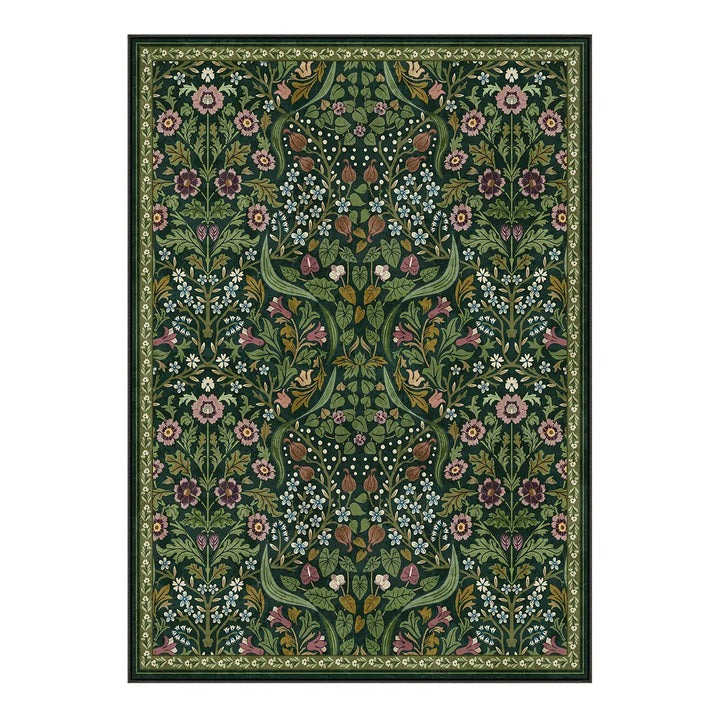
Few design elements can transform a living room as dramatically as the right area rug. A well-chosen rug grounds the entire space, ties together furniture arrangements, and sets the tone for your home’s aesthetic — all without a single coat of paint or a major renovation. It’s one of the most impactful and accessible upgrades any homeowner can make.
Among the many size options available, the 8 by 10 rug has earned its place as a go-to choice for decorators. It’s large enough to anchor a full seating arrangement yet proportional enough to maintain visual breathing room in medium to large living spaces. Pair that versatility with the rising popularity of minimalist and geometric designs, and you have a combination that feels both timeless and thoroughly contemporary.
Modern homes are increasingly drawn to clean lines, intentional simplicity, and patterns that add interest without creating chaos. Minimalist and geometric rugs deliver exactly that — style without excess. Whether you’re refreshing a Scandinavian-inspired space or modernizing a traditional room, the right 8 by 10 rug can do the heavy lifting. This guide will walk you through everything you need to know to select, place, and style the perfect rug for a living room you’ll love coming home to.
Why 8 by 10 Rugs Are the Ideal Choice for Living Rooms
When it comes to area rugs, size matters more than most people realize. Go too small and your furniture floats awkwardly in a sea of bare floor. Go too large and the room feels consumed. The 8 by 10 rug hits a sweet spot that designers consistently return to — and for good reason.
In a medium to large living room, an 8 by 10 rug provides enough surface area to genuinely anchor the space. It can accommodate a full sofa, two accent chairs, and a coffee table within its boundaries, creating a cohesive seating zone that feels intentional rather than scattered. This furniture-grounding quality is one of the most powerful tools in interior design, transforming a collection of individual pieces into a unified, purposeful arrangement.
Beyond furniture placement, this size excels at defining zones within open-concept layouts. In homes where the living area flows into a dining space or kitchen, an 8 by 10 rug acts as a visual boundary — clearly communicating where one functional area ends and another begins, without the need for walls or dividers.
What makes this size particularly appealing is its balance between coverage and openness. Unlike larger rugs that can overwhelm a room, an 8 by 10 leaves a visible border of flooring around the perimeter. That exposed edge creates a natural frame, making the rug itself feel like a deliberate design feature. For decorators working with hardwood, tile, or any flooring worth showcasing, this framing effect adds another layer of visual interest to the overall composition.
Embracing Minimalist Rugs: Principles of Simplicity and Style
Minimalist rug design is rooted in the idea that less truly is more. Rather than competing for attention, a minimalist rug serves as a quiet foundation — one that supports the room’s overall composition without demanding to be the center of it. This restraint is precisely what makes these rugs so effective in contemporary interiors, where the goal is often to create spaces that feel curated, calm, and intentional.
The defining characteristics of minimalist rugs are easy to recognize. Neutral color palettes dominate — think warm ivories, soft grays, muted taupes, and understated charcoals. These tones integrate seamlessly with a wide range of furniture and wall colors, making them remarkably adaptable. Texture plays a quiet but meaningful role as well; a low-pile wool rug with subtle variation adds depth without visual noise, while a flat-weave design keeps things crisp and uncluttered. Patterns, when present, tend toward simple repetition or barely-there tone-on-tone detail rather than bold, complex motifs.
What makes minimalist rugs particularly valuable is their cross-style compatibility. In a Scandinavian-inspired room, a soft cream rug with gentle texture reinforces the hygge-forward warmth the style is known for. In a modern or industrial setting, a charcoal flat-weave grounds raw materials like concrete and metal without softening the aesthetic too much. Even transitional spaces benefit — a neutral minimalist rug bridges the gap between traditional furniture and contemporary accents without feeling out of place. Brands like Lahome have built their collections around exactly this kind of versatile, understated design, offering options that work across a wide spectrum of interior styles. The result, regardless of the specific style, is a cohesive, breathable room that invites you to slow down and settle in.
Adding Visual Interest with Geometric Rugs
Geometric rugs occupy a fascinating middle ground — they introduce pattern and energy into a room while remaining entirely compatible with minimalist sensibilities. The key lies in how geometric design works: rather than depicting scenes or organic forms, it relies on mathematical precision and repetition, which naturally aligns with the clean, intentional aesthetic minimalism values.
The range of geometric styles available gives decorators real flexibility. Abstract geometrics use irregular shapes and asymmetric arrangements to create movement without rigidity — ideal for spaces that feel a little too safe or predictable. Linear designs, built from grids, stripes, or chevron patterns, reinforce architectural structure and work especially well in rooms with strong horizontal or vertical elements. Organic geometrics soften the approach with curved forms and hexagonal motifs, bridging the gap between strict modernism and something warmer and more approachable.
When integrating a geometric rug into a minimalist space, two factors deserve careful attention: color and scale. Color-wise, the safest approach is to keep the palette limited — a two-tone geometric in ivory and warm gray delivers visual interest without disrupting the room’s calm. If your walls and furniture already carry some color, a tonal geometric in a single neutral family lets the pattern speak without adding competing hues. Scale matters equally; in an 8 by 10 format, a large-repeat geometric pattern reads boldly and suits rooms with simple, unadorned furniture, while a smaller, tighter repeat adds texture and complexity without overpowering the space.
How to Select the Perfect 8 by 10 Rug for Your Space: A Practical Guide
Step 1: Assess Your Living Room’s Design Style and Needs
Before browsing options, spend a few minutes reading your room as it currently exists. Take stock of your dominant colors — wall paint, sofa upholstery, curtain fabric — and identify whether your furniture leans traditional, contemporary, or somewhere in between. A room anchored by clean-lined furniture and neutral walls is a natural fit for a geometric or minimalist rug, while a space with warmer wood tones and layered textiles might call for something with subtle organic patterning. Consider the mood you want to reinforce: calm and serene spaces benefit from tonal, low-contrast rugs, while rooms that feel a little flat can absorb a bolder geometric without losing balance. It also helps to identify your fixed elements — the pieces you won’t be replacing — and treat those as your design constraints. Your rug should feel like it was always meant to be there, not like it arrived from a different room entirely.
Step 2: Consider Material, Durability, and Maintenance
Material choice has a direct impact on how your rug looks, feels, and holds up over time. Wool remains one of the most reliable options for living rooms — it’s naturally resilient, resists crushing under furniture weight, and maintains its appearance through years of foot traffic. Its slight texture also adds warmth that synthetic alternatives often lack. For households with pets or young children, polypropylene and other synthetic blends offer a practical trade-off: they’re stain-resistant, easier to clean, and typically more affordable. Lahome, for instance, offers a range of machine-washable synthetic rugs in minimalist and geometric patterns that address exactly these everyday practicality concerns. Pile height is another consideration worth taking seriously. Low-pile rugs work well in high-traffic areas because they don’t trap debris and are simpler to vacuum, while medium-pile options add underfoot comfort without sacrificing practicality. Whatever material you choose, verify colorfastness — particularly important for light-colored minimalist rugs that can show wear or fading more visibly over time.
Step 3: Master Measuring and Placement Techniques
Accurate measuring prevents costly mistakes. Start by mapping your seating arrangement with painter’s tape on the floor to visualize how an 8 by 10 rug will interact with your furniture before purchasing. The most common placement approach — front legs of the sofa and chairs resting on the rug — creates a connected, grounded grouping while keeping the layout open. For a more enveloping feel, position all four legs of each furniture piece fully on the rug. Leave at least 12 to 18 inches of bare floor visible around the rug’s perimeter to preserve that intentional framing effect.
Styling Tips to Maximize Your 8 by 10 Rug’s Impact
Once your rug is in place, a few finishing touches can elevate it from functional to genuinely impressive. Layering a smaller accent rug — a sheepskin or a jute flat-weave — on top adds dimension and tactile richness, a technique that works particularly well with minimalist base rugs that benefit from an extra layer of warmth. Coordinate accessories like throw pillows and blankets by pulling one or two tones directly from the rug’s palette, creating a thread of visual continuity throughout the seating area. For maintenance, rotate your rug every six months to distribute foot traffic evenly and prevent uneven fading, and vacuum regularly with the beater bar disengaged on delicate pile types. These small, consistent habits keep your rug looking intentional and fresh for years.
Transform Your Living Room with the Right Rug
The right area rug does more than cover a floor — it completes a room. Throughout this guide, we’ve explored why the 8 by 10 format consistently earns its place as the go-to choice for living rooms: its ability to anchor furniture groupings, define zones in open layouts, and frame your flooring without overwhelming the space. We’ve also seen how minimalist and geometric designs bring their own distinct strengths — one offering quiet, adaptable calm, the other introducing pattern and energy while remaining entirely compatible with contemporary sensibilities.
Selecting the right rug comes down to knowing your room, respecting its existing elements, and making deliberate choices around material, scale, and placement. None of these decisions need to be complicated — they simply need to be intentional. When you approach your rug selection with a clear sense of what your space needs, the result is a living room that feels cohesive, polished, and genuinely yours. Use the steps in this guide as your starting point, trust your instincts when you find a rug that resonates, and don’t underestimate the difference a single well-chosen piece can make. Your living room upgrade is closer than you think.