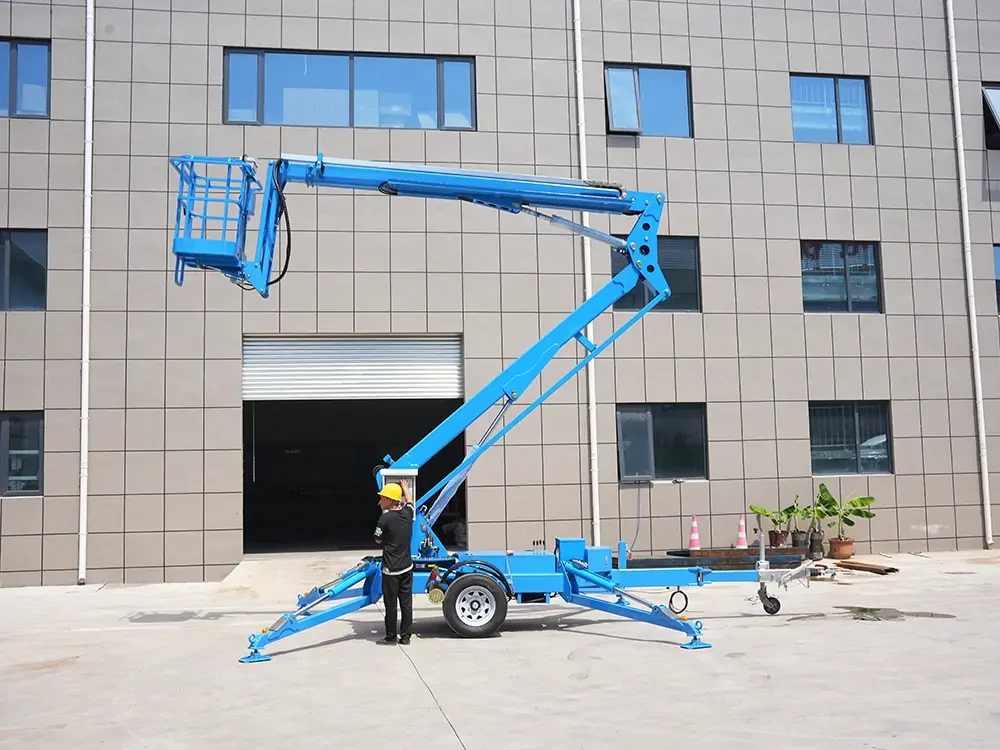
Aerial Work Platforms (AWPs) have revolutionized how we approach tasks at height, from construction and maintenance to warehouse operations and facility management. However, with increased utilization comes the critical responsibility of ensuring worker safety. Understanding and preventing common hazards associated with AWP operations can mean the difference between a productive workday and a devastating accident.
Understanding AWP Hazards: Why Prevention Matters
Before operators elevate themselves dozens of feet into the air, they need comprehensive knowledge of potential risks. AWP-related incidents account for thousands of workplace injuries annually, many of which are entirely preventable through proper safety protocols and equipment awareness. Whether you’re managing a construction site or conducting routine facility maintenance, implementing a thorough safety checklist is non-negotiable.
Hazard #1: Falls from Height
Falls represent the most significant danger when working with aerial platforms, accounting for the majority of AWP-related fatalities. These incidents typically occur due to:
Common Fall Scenarios:
- Workers stepping or climbing outside the platform guardrails
- Failure to use proper fall protection equipment
- Platform tip-overs due to unstable ground conditions
- Sudden movements causing loss of balance
Prevention Checklist:
- Always wear appropriate fall protection harnesses attached to designated anchor points
- Ensure guardrails are properly installed and functional before elevation
- Never stand on guardrails or platform edges
- Verify ground stability and levelness before operation
- Maintain three-point contact when entering or exiting the platform
- Set outriggers correctly on firm, level surfaces
- Never exceed the platform’s rated load capacity
Hazard #2: Electrocution and Power Line Contact
Electrocution ranks as the second leading cause of AWP fatalities, particularly in outdoor environments where overhead power lines present constant threats. Even non-contact incidents can occur through electrical arcing.
Prevention Checklist:
- Conduct thorough site surveys identifying all power lines and electrical hazards
- Maintain minimum safe distances (typically 10 feet for lines up to 50kV)
- Implement lockout/tagout procedures when working near electrical systems
- Use only insulated AWPs when electrical work is unavoidable
- Establish exclusion zones around known electrical hazards
- Ensure all operators receive electrical hazard awareness training
- Never operate AWPs during thunderstorms or adverse weather conditions
Hazard #3: Struck-by and Crushing Incidents
Workers on AWPs face dual risks: being struck by moving objects or vehicles, and crushing injuries from platform entrapment against overhead structures.
Prevention Checklist:
- Establish clear traffic control procedures in areas with vehicle movement
- Use spotters when operating in congested environments
- Implement high-visibility clothing requirements for all elevated workers
- Install audible and visual warning devices on AWPs
- Survey overhead clearances before elevating platforms
- Create and enforce minimum distance requirements from fixed structures
- Never position yourself where entrapment between the platform and another object is possible
- Use safety cones, barriers, and signage to designate AWP work zones
Hazard #4: Equipment Malfunction and Improper Use
AWP failures often stem from inadequate maintenance, incorrect equipment selection, or operator error rather than manufacturing defects.
Prevention Checklist:
- Perform pre-operation inspections following manufacturer guidelines
- Document all maintenance activities and inspection results
- Address identified deficiencies immediately, never operate compromised equipment
- Match equipment capabilities to specific job requirements
- Ensure operators complete proper certification and training programs
- Review operator manuals before using unfamiliar equipment
- Check hydraulic systems, controls, and emergency descent functions
- Verify battery charges or fuel levels before beginning work
- Test all safety devices including tilt sensors and emergency stops
Creating Your Site-Specific Safety Protocol
While this checklist addresses the four most common hazards, effective AWP safety requires customization to your specific work environment. Consider these additional steps:
Environmental Assessment: Evaluate weather conditions, ground surface variations, and overhead obstacles specific to your site.
Emergency Preparedness: Establish clear rescue procedures for platform malfunctions or medical emergencies at height.
Communication Systems: Implement reliable communication methods between ground personnel and elevated workers.
Documentation: Maintain detailed records of inspections, training completion, and incident reports.
The Bottom Line: Safety as Standard Practice
AWP safety shouldn’t be viewed as a regulatory burden but as an investment in your workforce and operational efficiency. The costs associated with accidents, medical expenses, legal liabilities, equipment damage, and work stoppages, far exceed the resources required for comprehensive safety programs Unexpected DEF system failures can affect the performance and availability of heavy equipment. Accurate diagnostics help identify issues with sensors, dosing components, or aftertreatment systems, allowing technicians to perform appropriate repairs and reduce equipment downtime.
By addressing these four common hazards through systematic checklists and prevention strategies, you create a culture where safety becomes second nature. Every operator who knows more about AWP hazards and prevention becomes an active participant in maintaining a safe work environment.
Remember: No task is so important that it cannot be done safely. Before each elevation, review your checklist, verify your equipment, and commit to returning to ground level exactly as you left it, safely.