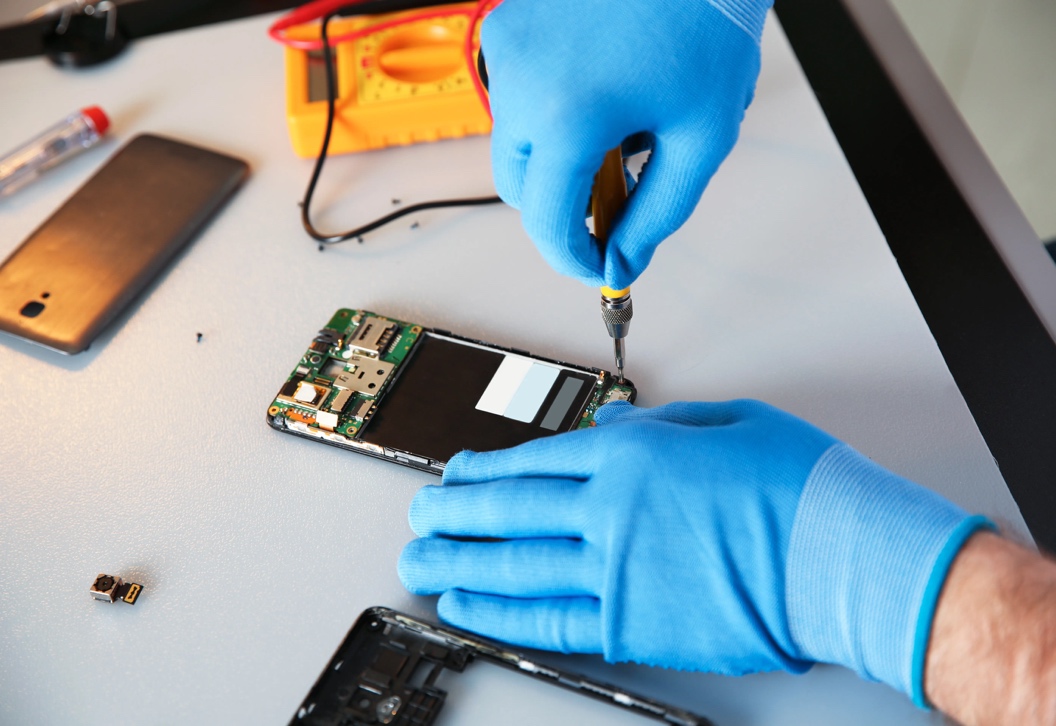
Repair shops are seeing a different kind of Android device in 2026. Older phones that are still software-supported, traded-in devices prepared for resale, and customer phones protected by stricter OEM security layers. A simple hardware repair may still be straightforward, but software-related work now depends on the update policy, firmware version, bootloader state, FRP status, and the exact model variant.
These changes affect what technicians have to check before starting a job, how they prepare devices for resale, and how they keep repair workflows up to date after each firmware update.
EU Right-to-Repair Rules Take Effect
According to the EU’s Right-to-Repair directive, member states must transpose and apply the rules from 31 July 2026. The framework is designed to make repair easier and more attractive for consumers. Mobile phones are included among the product categories and repairability, spare parts, and repair information are part of the broader policy direction.
For independent shops, this does not mean every repair barrier disappears overnight. However, consumers may choose repair over replacement, especially when parts and repair conditions are easier to compare. A firmware update history may also come up in the conversation when customers want to understand whether an older phone is still worth keeping.
Longer Update Lifecycles Keep Devices in Service
Software support is changing the economics of Android repair. Google says Pixel 8 and later phones receive seven years of OS and security updates from first availability in the US, while Samsung’s Galaxy S24 series offers seven generations of OS upgrades and seven years of security updates.
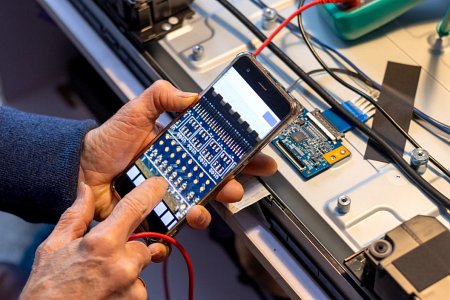
The more challenging part is that every firmware update can affect the service context. A device may still be repairable, but the technician must know its current firmware update level, security patch status, and software route before starting work. Older hardware on current software is good for customers, but it raises the standard for technical preparation.
The Refurbished Market Raises the Stakes
The refurbished and secondhand smartphone market is no longer a side channel. IDC has reported that used devices are outpacing new devices, helped by affordability pressure, sustainability expectations, trade-in programs, and longer device lifecycles.
For repair shops, this changes the meaning of a finished job. A phone prepared for resale needs more than a working display and a clean housing. It may need account status checks, legitimate unlocking where permitted, clean firmware, functional testing, and a verified software state before it returns to the market.
A firmware update can also affect resale preparation. The same model may behave differently after a newer firmware update, especially when security patch level, bootloader state, or flashing options have changed. Refurbishment work is becoming its own service category, with stricter expectations and less room for guesswork.
Security Protocols and OEM Locks Grow More Complex
Android security layers are also more mature than they were a few years ago. Repair technicians now must contend with Factory Reset Protection, locked bootloaders, anti-rollback protections, signed firmware requirements, and brand-specific service paths. Android documentation explains that locked bootloaders restrict flashing, while Android Verified Boot uses rollback protection to prevent devices from returning to vulnerable software versions.
These protections should not be treated as obstacles to be casually bypassed. They exist to protect owners, reduce incentives for theft, and prevent devices from running unsafe software. A professional shop needs to document the customer or trade-in context and use procedures that fit the device’s legal and technical condition.
A firmware update may close one route and open another. It may change the accepted firmware package, affect downgrade options, or require the technician to verify a different software state before continuing. This is why scattered free utilities are harder to defend in a professional environment, as they rarely give the shop the documentation, consistency, or device-specific coverage needed for repeatable work.
What Professional Repair Shops Need to Track in 2026
Before a repair or resale-preparation job, technicians need to verify the exact model, regional variant, current firmware update, security patch level, bootloader state, FRP status, available firmware files, supported procedures, and customer authorization.
That may sound like extra admin, but it protects the job. A firmware update can be the difference between a routine flashing task and a case that needs a different route. A supported model list can prevent a quote from being based on the wrong variant. Clear notes on device state can also help the shop explain why one phone is serviceable, and another is not. For shops comparing this kind of workflow support, Chimera Tool features and the current list of supported models give a practical starting point.
Summary
Regulation, longer software support, and the refurbished boom are sending more Android phones into professional repair channels. At the same time, each firmware update and OEM security layer makes the work more device-specific. Shops that want to handle this volume need up-to-date information, documented workflows, and professional software, such as Chimera Tool, that keeps pace with firmware updates.