An iPhone battery can run low at an inconvenient moment: during a commute, while using maps, or just before an important call. A portable iphone charger provides extra power when there is no outlet nearby. The best choice is not automatically the biggest model. It should match your phone, routine, and realistic backup-power needs.
Think About When You Need Extra Power
If you only need a quick top-up on the way home, a small power bank may be enough. Frequent travelers or people who rely on navigation and photography may prefer more capacity. Also consider how you will use your phone while it charges. A battery that attaches directly to the phone is convenient, but a separate power bank and cable can be easier when making calls or using the screen.
Know the Different Types of Chargers
There are several types of chargers, each designed for a different situation:
- Wall chargers plug into an outlet and suit home, office, or hotel use.
- Portable power banks store energy and recharge an iPhone when you are away from an outlet.
- Wireless chargers transfer power without a cable plugged into the phone. Some portable versions have their own battery; others need a wall adapter.
- Car chargers use a vehicle’s power outlet or USB port, making them useful on commutes and road trips.
- Charging stands and docks hold a phone while it charges and are usually best for desks or bedside tables.
A portable iPhone charger usually means a battery-powered power bank, although wireless battery packs are also available. Check the description to make sure the product stores power rather than requiring an outlet.
Choose a Capacity That Fits Your Routine
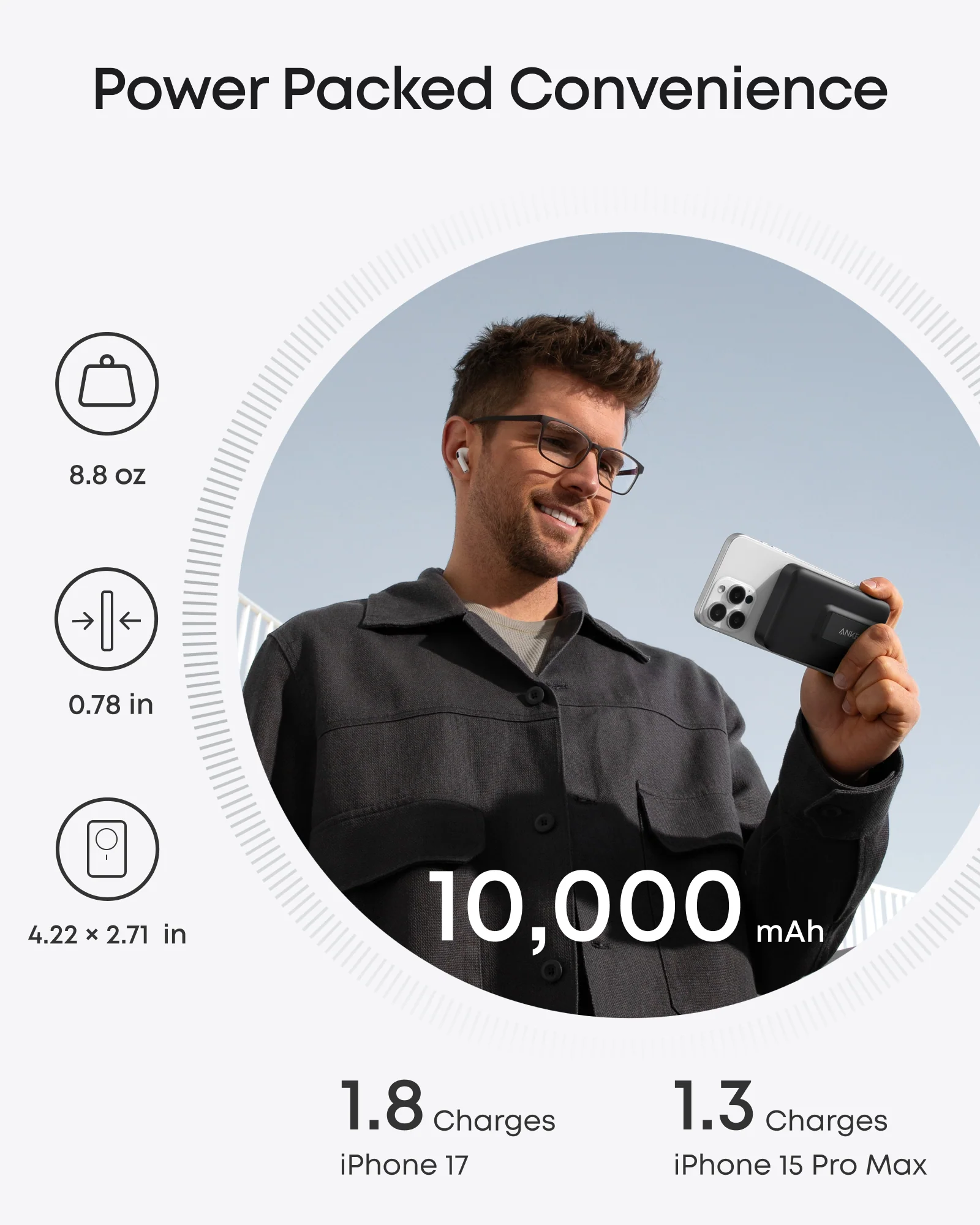
Power-bank capacity is usually listed in milliamp-hours (mAh). A higher number generally means more stored energy, but it does not guarantee a set number of full iPhone charges. Energy is lost during transfer, and the result depends on your phone model and how you use it. A smaller unit may be ideal for occasional top-ups because it is easier to carry. For long days away from an outlet, extra capacity can be useful. Remember that larger power banks are usually heavier and take up more space. Choose one you will be comfortable carrying regularly.
Check Compatibility and Charging Speed
Confirm which connector your iPhone uses. Many newer models have USB-C, while older models use Apple’s Lightning connector. The power bank’s output and cable must be suitable for your phone, so check compatibility before buying. Charging speed depends on the iPhone, cable, and power source working together. A high-wattage label does not mean the phone will draw that full amount. Look for clear output specifications and use cables in good condition.
Wireless charging avoids the need to plug a cable into the phone, but positioning, cases, and heat can affect performance. Magnetic attachment can help keep a compatible phone aligned. Features vary, so check that the accessory supports your iPhone model.
Consider Size, Ports, and Convenience
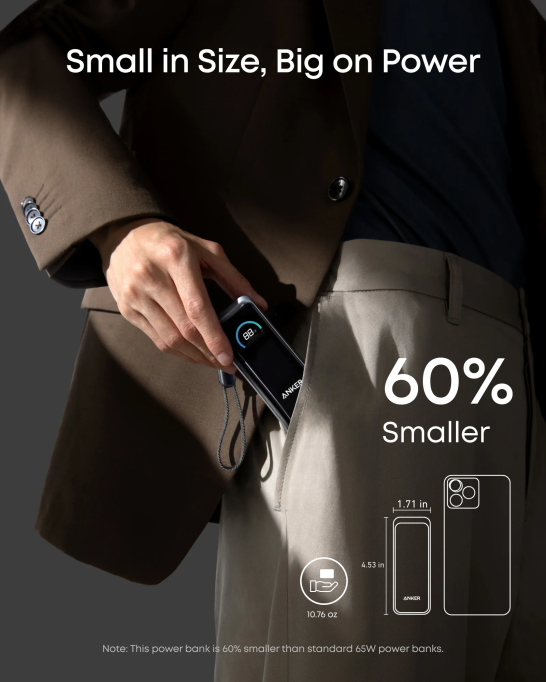
When comparing different types of chargers, think about where you will carry the charger. A slim model may fit in a pocket or small bag; a larger one may suit a travel backpack. Built-in cables mean fewer accessories to pack, while removable cables are easier to replace if damaged. Multiple ports can charge your iPhone and another device, but the available power may be shared between them. Check the product information for simultaneous charging performance rather than assuming every port delivers its maximum output at once.
Look After Your Portable Charger
Keep a power bank away from excessive heat, moisture, and direct sunlight. Do not use it if the casing is cracked, the battery appears swollen, or it becomes unusually hot. Follow the manufacturer’s charging and storage instructions. Before flying, check your airline’s rules for spare lithium batteries, as capacity and packing restrictions may apply.
Conclusion
The right portable iPhone charger should suit your routine, provide enough backup power, and work with your iPhone model. Compare capacity alongside weight, connector type, charging speed, and convenience. Understanding the different types of chargers can help you decide whether you need a power bank, wireless battery pack, car charger, or wall adapter. A little research before buying can help you choose an accessory that is useful in everyday life.
Frequently Asked Questions
1. Will every portable charger work with an iPhone?
No. Check that its output and cable or connector are compatible with your iPhone model.
2. Does a higher mAh rating mean more full charges?
It means more stored energy, but not a guaranteed number of charges. Energy loss, battery size, and phone use affect the result.
3. Is a wireless power bank better than a wired one?
It depends on your needs. Wireless charging is convenient, while a cable may offer easier positioning and faster charging, depending on the equipment.
4. Can I use my iPhone while it is connected to a power bank?
Yes. However, demanding tasks such as gaming or navigation may reduce how quickly the battery level rises.
5. How can I tell if a portable charger is safe?
Choose a product from a reputable manufacturer, follow its instructions, and inspect it for damage. Stop using it if it becomes unusually hot or shows signs of swelling.