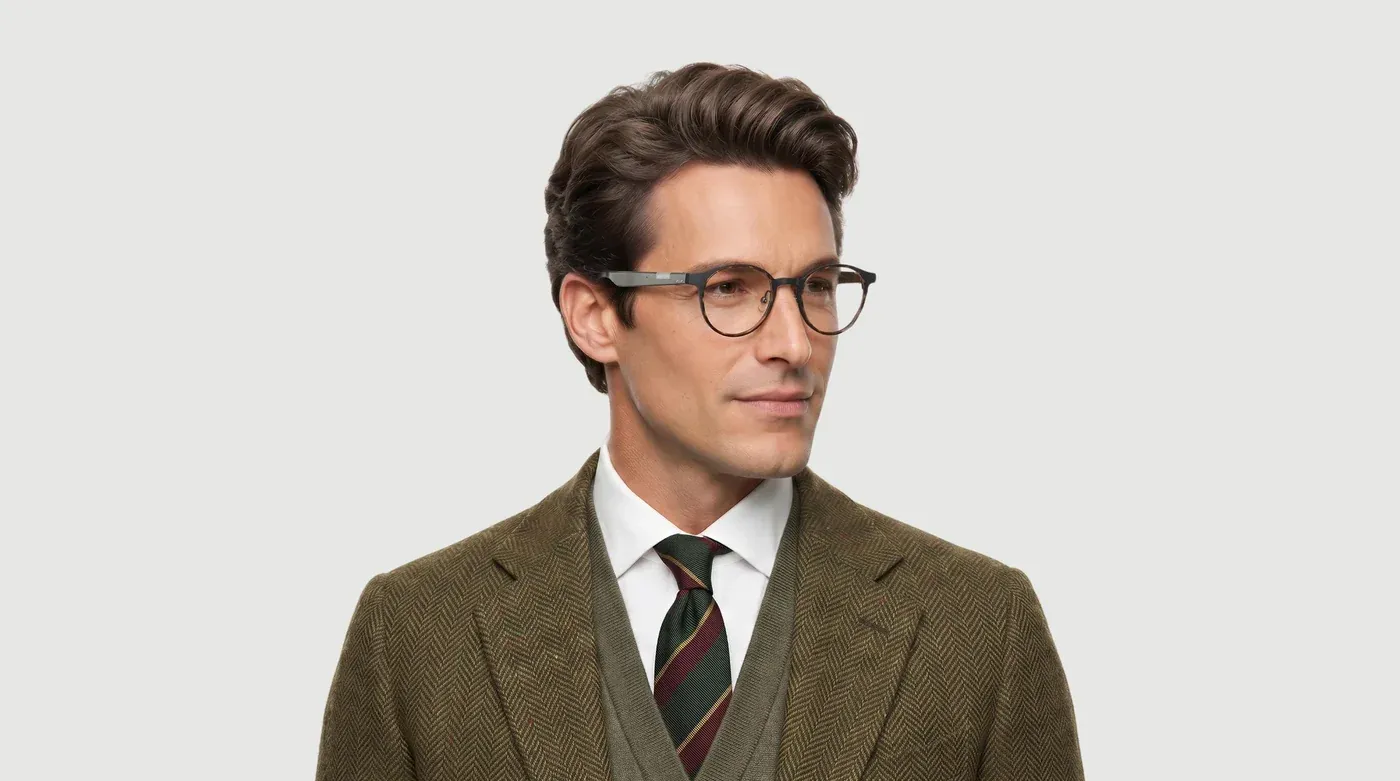
Wearable technology used to announce itself. Early smartwatches had thick bezels and obvious screens. Fitness bands came in bright colors that were impossible to miss. The message, whether intentional or not, was “I’m wearing a gadget.” That era is fading. Walking through any city in 2026, the devices doing the most interesting work are often the ones you’d never notice at all — a ring that tracks sleep, an earpiece that answers calls, a pair of glasses that looks exactly like glasses.
This shift isn’t just about aesthetics. It reflects a real change in what people want from technology they wear all day. Nobody wants to look like they’re testing a prototype at the office or on a first date. The devices gaining traction now are the ones that blend into daily life so completely that the people around you have no idea anything smart is happening at all.
This is where smart glasses with built-in speakers fit into the broader wearable story. Open-ear audio lets a device deliver information directly without earbuds, screens, or anything visible to the people nearby. For a category built around looking ordinary, that matters — a spoken interface can deliver audio to the wearer while keeping the ears open to the surrounding environment.
From Bulky Gadgets to Things You’d Actually Wear
A few years ago, “smart glasses” conjured images of a visible camera lens, a thick frame, and a very obvious tech-forward look. That design approach made sense when the whole point was showing off new capability. But it also meant most people wouldn’t wear the product outside of a demo or a review video, because it simply didn’t look like something they’d choose for themselves.
The newer generation of wearables takes the opposite approach. Instead of design signaling “this is smart,” the goal is design that signals nothing at all — glasses that could pass for a regular pair from any optical shop, rings that look like jewelry, earpieces that disappear into the ear canal. The intelligence lives inside the device, not on its surface.
Rings, Glasses, and Earbuds Are Leading the Shift
Three categories are driving most of this change. Smart rings have quietly become one of the most popular wearables for health tracking, largely because a ring asks nothing of the wearer in terms of visible commitment — it looks like an accessory, not a device. Ear-worn wearables have followed a similar path, moving from obviously techy in-ear buds toward designs that read as ordinary headphones or, increasingly, nothing at all.
Glasses are the newest and arguably most ambitious version of this trend. Eyewear is already a normal part of daily life for a large share of people for reasons that have nothing to do with technology. That gives smart glasses a head start no other wearable category has: the object itself is already culturally normal. The challenge has simply been building AI capability into that familiar shape without turning it into something people wouldn’t choose to wear.
How Sound Became the New Screen
With no display and no camera to lean on, many of these discreet wearables have found a different way to deliver information: sound. Instead of glancing at a screen, users hear a translation, a reminder, or a summary spoken quietly through the device. It’s a shift from visual interfaces to audio ones, and it fits naturally with how people already use voice assistants and hands-free calling.
Everyday Glasses That Happen to Be Smart
The clearest sign of where this trend is heading is a product that doesn’t ask people to compromise on how their glasses look. The Jobs Circle from Dymesty is a good example of that approach in practice. It comes in a round titanium frame that reads as classic eyewear rather than tech hardware, weighs just 35 grams, and skips the camera entirely — there is no camera lens or other obvious visual-capture hardware on the frame. Instead, the glasses are built around open-ear speakers and a four-microphone array, supporting calls, meeting transcription, and real-time translation across more than 100 languages while keeping the frame visually close to ordinary eyewear. The frame is also prescription-ready, meaning it can genuinely replace a person’s everyday glasses rather than sit as a second pair competing for space on the same face.
Why “Ordinary Looking” Has Become the Selling Point
This is arguably the most interesting part of the current wearable trend: looking unremarkable has become a feature people are willing to pay for. Earlier smart glasses often struggled with adoption not because the technology didn’t work, but because wearing them made a visible statement most people weren’t comfortable making. A device that draws attention to itself asks something of the wearer every time they put it on.
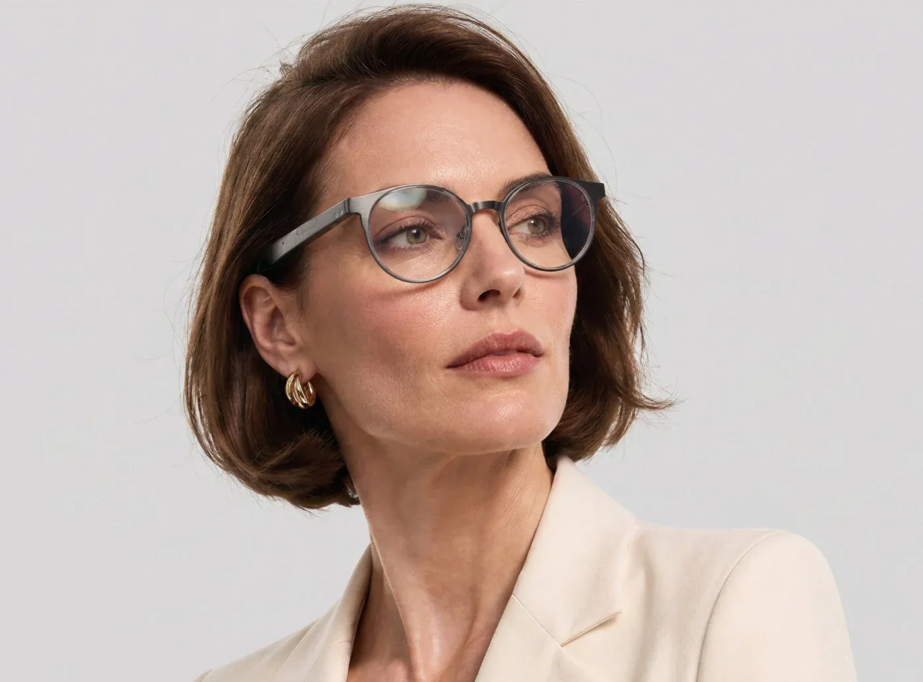
Devices modeled on the Jobs Circle model flip that dynamic. Instead of asking the wearer to accept a new look in exchange for new capability, they let the wearer keep the look they already had — round frame, familiar proportions, nothing to explain to a colleague or a stranger — while quietly adding features underneath. That’s a very different value proposition than earlier wearable generations offered, and it’s part of why adoption in this category has been picking up rather than plateauing.
Prescription Compatibility Removes a Major Barrier
For years, one of the biggest practical obstacles to smart glasses adoption was simple: most people who wear glasses wear them for vision correction, not fashion, and early smart eyewear rarely supported prescription lenses well. That made the category a non-starter for a huge share of potential users, since asking someone to carry two pairs of glasses was never going to work as a daily habit.
Prescription-ready frames solve this cleanly. When the smart glasses can be fitted with single-vision, progressive, or transition lenses just like a regular optical purchase, the device stops being an add-on and starts being someone’s actual glasses. Treating prescription compatibility as a baseline rather than an afterthought can make smart eyewear much more practical for people who already depend on glasses every day.
Where This Trend Goes Next
The direction is fairly clear at this point. Wearable technology is moving away from devices that look like devices and toward objects that already had a place in daily life — glasses, rings, earpieces — quietly gaining intelligence without changing their outward form. Screens are being replaced by sound in categories where a display was never really necessary. And cameras, once treated as a default feature, are increasingly optional or absent altogether in designs meant for everyday, all-day wear.
What ties all of this together is a simple idea: the most successful wearables of 2026 aren’t the ones doing the most, they’re the ones asking the least of the person wearing them. No new look to get used to, no visible tech to explain, no compromise on how someone already dresses or sees. As more categories follow this path, the wearables that succeed will likely keep getting harder to spot — not because the technology is getting simpler, but because it’s finally learning to disappear into things people already wanted to wear.