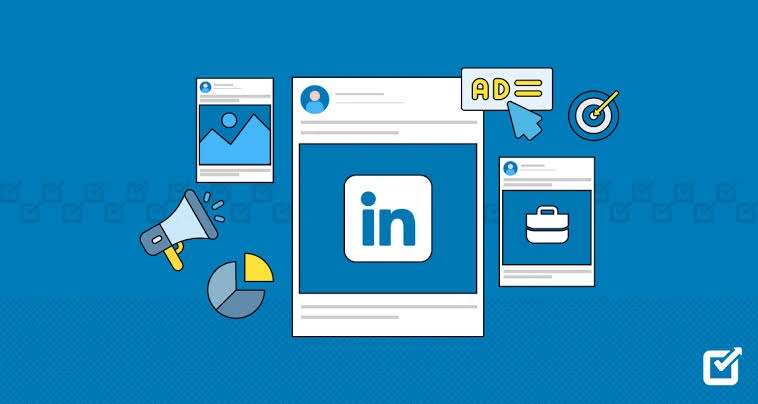
LinkedIn has become an important platform for businesses that want to reach professional audiences. Unlike many other social networks, LinkedIn is built around professional identities, industries, job roles, companies, and business relationships. This makes it particularly useful for B2B marketing, where reaching the right decision-makers can be more important than reaching the largest possible audience.
However, creating effective LinkedIn ads requires more than simply writing promotional copy and adding an image. Businesses need to understand their target audience, develop relevant messaging, create suitable visuals, and continuously test different approaches. Artificial intelligence is making several parts of this process easier. AI can help marketers brainstorm advertising ideas, create variations, improve creative workflows, and spend less time on repetitive tasks.
For B2B companies with small marketing teams, this can make LinkedIn advertising more manageable and efficient.
Why LinkedIn Advertising Matters for B2B Businesses
B2B purchasing decisions are often different from consumer purchases. A person buying a consumer product may make a decision within minutes, while a business purchase can involve multiple people and several stages. A software company, for example, may need to reach a marketing manager, department head, business owner, or technology decision-maker. Each person may have different concerns about the same product.
LinkedIn provides businesses with an environment where professional audiences are already active. This gives B2B marketers an opportunity to create advertising campaigns around specific industries, professional interests, and business needs. The challenge is making sure the creative speaks to the right audience.
The Challenge of Creating Effective LinkedIn Ads
B2B advertising can become complicated because the message needs to be specific without becoming difficult to understand. A software company might want to promote an automation platform. Instead of simply saying that the software has many features, the advertisement could focus on a specific business problem, such as reducing repetitive work or improving team productivity.
The creative needs to communicate value quickly. Marketers also need different versions of an advertisement because one message may not work equally well for every audience. A campaign targeting startup founders could use different messaging from one targeting marketing managers at larger companies. Creating these variations manually can take significant time.
How AI Is Changing LinkedIn Ad Creation
AI is helping marketers approach this process differently. Instead of creating every advertisement from scratch, marketers can use AI to brainstorm ideas, develop different messaging angles, and create variations based on the same campaign objective. For example, a B2B software company could build different creative concepts around productivity, cost savings, automation, or team collaboration.
The underlying product remains the same, but the reason for choosing it changes according to the audience. This makes AI particularly useful during the early creative stage, when marketers are trying to find the strongest way to communicate a product’s value.
Creating More Ad Variations With AI
Testing different creative approaches is an important part of digital advertising. A company may want to compare a product-focused advertisement with one that focuses on a customer problem. It might also want to test different headlines, visuals, or calls to action.
Doing all of this manually can slow down the campaign process. An AI-powered LinkedIn ad generator from Predis.ai can help marketers develop different advertising concepts more efficiently, giving them more options to experiment with while reducing repetitive creative work. The goal is not to publish every AI-generated idea. Marketers should review the suggestions and choose the versions that make the most sense for their audience and campaign.
AI Can Help Marketers Find Better Messaging Angles
One of the hardest parts of B2B advertising is explaining why a product matters. A business may have dozens of features, but customers are usually more interested in the outcome those features provide.
For example, instead of promoting an analytics platform by listing every dashboard and reporting feature, a marketer could focus on helping teams make faster decisions using real-time information.
AI can help generate different ways of presenting these benefits.
A marketer could ask for ideas based on different customer pain points and then refine the strongest suggestions into brand-specific messaging. This can be especially useful when a company is entering a new market and wants to explore different positioning ideas.
Personalization Can Improve B2B Advertising
B2B audiences are not all the same. A marketing agency may be interested in automation and client reporting, while a software development company may care more about project management and team efficiency. Using the same advertisement for everyone can make a campaign feel generic.
AI can support the development of audience-specific creative ideas. Marketers can create variations around different industries, job roles, or business challenges while keeping the core brand message consistent.
This does not mean every audience needs a completely different campaign. Sometimes changing the headline or primary benefit can make the same product much more relevant.
AI Can Support Faster Creative Testing
The ability to test ideas quickly is one of the biggest advantages of AI-assisted advertising. Suppose a company has created an advertisement focused on saving time. Instead of running only that version, the marketing team could develop additional concepts focused on reducing costs, improving productivity, or simplifying workflows.
These variations can provide more opportunities to learn what resonates with the target audience. The important part is what happens after the ads are published. Marketers still need to monitor campaign performance and understand which messages generate meaningful results. AI can help with the creative process, but data should guide the final decisions.
Human Expertise Still Matters
AI can generate advertising ideas quickly, but it does not automatically understand every business. A B2B product may have a complex sales process, specific industry requirements, or a highly specialized audience. A generic AI-generated advertisement may not communicate these details accurately. This is why human review remains essential.
Marketers understand their customers, competitors, positioning, and brand voice. They can take an AI-generated idea and turn it into something that feels specific and relevant. The best results usually come when AI is used as a creative assistant rather than a complete replacement for marketing expertise.
How to Create Better LinkedIn Ads With AI
Businesses can get more value from AI when they start with a clear marketing objective. Before generating creative ideas, marketers should understand what the campaign is trying to achieve. A campaign designed to generate leads will require a different message from one focused on brand awareness.
The target audience should also be clearly defined. Once the audience and objective are established, AI can be used to explore different creative directions. The strongest ideas can then be edited, branded, and tested.
This approach prevents AI from becoming a random content generator and makes it part of a structured marketing process.
Common Mistakes to Avoid
Using AI does not mean marketers should create hundreds of advertisements without a clear strategy. One common mistake is focusing too much on the tool and not enough on the audience. Another is publishing AI-generated copy without checking whether it sounds natural or accurately represents the business.
B2B audiences can also be sensitive to exaggerated claims. A professional advertisement should be clear, specific, and credible. Marketers should therefore review every creative before publishing it and make sure that the message reflects the actual product or service.
The Future of AI in LinkedIn Marketing
AI is likely to become an increasingly common part of B2B marketing workflows. As businesses compete for attention from professional audiences, the ability to create relevant advertising content quickly can become an important advantage. Smaller companies may benefit particularly from these developments because they can access creative capabilities that previously required larger marketing teams.
However, better technology will not remove the need for strong marketing fundamentals. Businesses still need to understand their customers, communicate a clear value proposition, and create offers that solve real problems. AI simply makes it easier to experiment with different ways of communicating those ideas.
Conclusion
AI is changing LinkedIn advertising by helping B2B marketers create, adapt, and test advertising content more efficiently. From developing new messaging angles to creating multiple creative variations, AI can reduce repetitive work and make the advertising workflow faster. However, successful LinkedIn advertising still depends on understanding the audience. A technically impressive advertisement will not perform well if it does not address a genuine business need.
The most effective approach is to combine AI with human judgment. Marketers can use AI to explore creative possibilities and speed up production while using their own expertise to select, refine, and improve the final advertisements. As B2B marketing continues to evolve, businesses that use AI thoughtfully can create more relevant LinkedIn campaigns, test more ideas, and make better use of their marketing resources.