Your Smart Speaker Is Becoming a Remote Control for Everything, Including Your Evening Entertainment
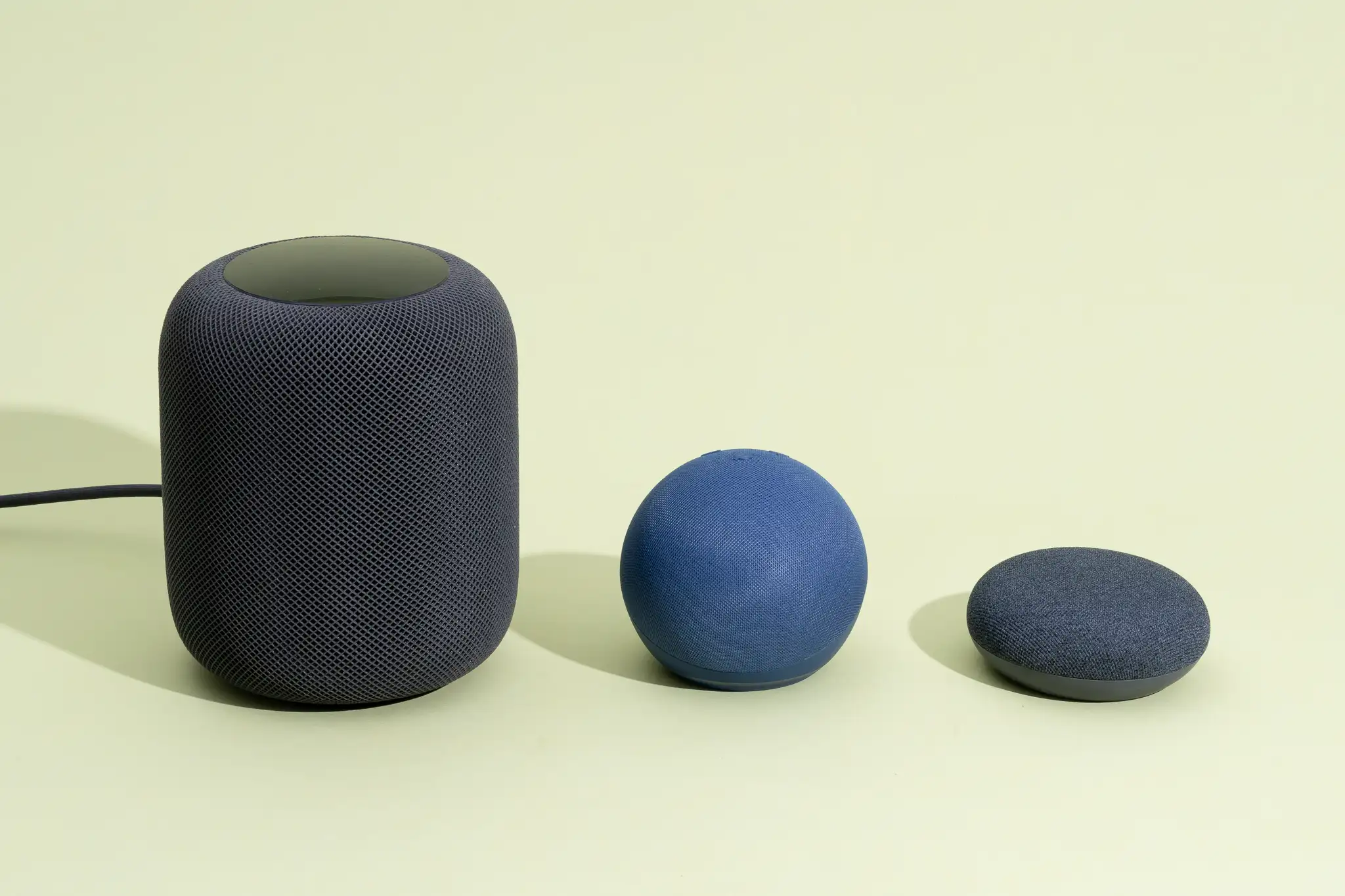
Three years ago my smart speaker did two things. It played music when I asked and it told me the weather when I forgot to check my phone. That was basically the whole relationship.
This month it unlocked my Netflix profile, dimmed the living room lights to match whatever I was watching, and reminded me my kid’s tablet had 40 minutes of screen time left before bed. None of that was set up by me in the moment. It just happened, because the device sitting on my shelf has quietly become the control point for almost everything that happens in my house after 6pm.
IFA 2026 made this shift impossible to ignore. Berlin’s big consumer tech show spent the week showcasing AI hubs, phoneless smart home controllers, and a wave of gadgets built around one idea: fewer screens, fewer apps, one voice or one glance doing the work of ten remotes. Business Today’s coverage of the show ran through everything from solar security cameras to robot mowers, but the smart home hub category was the one that actually changed how people spend their evenings.
The Login Point Nobody Asked For, But Everyone Is Using
Here’s what changed quietly. Smart speakers used to be dumb terminals. You said a command, they executed it, done. Now they hold your identity.
Amazon rolled out free Alexa+ across every Fire TV device this year, and Forkast News covered the pricing shift as part of a broader race among AI agents to get embedded in as many households as possible for free, because the value isn’t in the subscription fee anymore. It’s in being the thing that knows who you are.
That distinction matters more than it sounds. A device that “knows who you are” can hold a profile. It can remember that you skip the intro on every show, that you prefer the lights at 40% during a film, that your partner’s account has different content restrictions than yours. EMarketer’s recent analysis of the category describes voice assistants becoming the preferred interface for AI-first homes, not because voice itself improved dramatically, but because the assistant now sits underneath every other app instead of beside them.
Apple is reportedly close behind. Bloomberg’s Mark Gurman has said the company’s long-rumored smart home display, expected before the end of the year, will use facial recognition to figure out who’s standing in front of it and serve up a personalized home screen on the spot. No login screen. No PIN. Just a camera deciding which version of your digital life to show you.
And once a hub can tell you apart from your roommate, it can hand you a login for anything. Streaming. Gaming. Loyalty programs. European households have quietly started using that same recognition layer to reach entertainment options that used to require a separate app and a separate password every time, including casinos online for European players accessed straight from the shared living room screen instead of a phone tucked away in someone’s pocket.
Gambling involves risk, and anyone using a shared home device for real-money play should keep spending limits visible and separate from other household accounts.
Why the Interface Fight Is Actually a Content Fight
Most people assume the smart home race is about hardware. Better microphones. Faster chips. It’s not, not really.
The real fight is over what happens the second after you speak. Whoever answers first gets to be your evening. TechRadar’s rundown of current-generation Alexa speakers notes that these devices now reach into cameras, displays, and third-party entertainment services around the home, not just the speaker itself. Engadget’s own review of this year’s top smart speaker lineup makes a similar point: the differentiator stopped being sound quality two product cycles ago.
It’s queue this. Dim that. Order more of whatever we ran out of last week.
That single-command convenience is exactly why the “what should we watch tonight” question is starting to blur with “what should we do tonight” more broadly. If your speaker already surfaces Netflix’s September slate without you opening an app, it will just as happily surface whatever else lives inside that same personalized home screen. The device stopped being a remote for one thing. It became a remote for the evening itself.
The Trust Problem Nobody’s Solved Yet
Not everyone’s thrilled about a camera deciding who they are before they’ve said a word.
An older Voicebot.ai writeup, drawing on Pew Research data, found that plenty of smart speaker owners were already uneasy about how much personalization was worth in traded data even before facial recognition entered the picture. That unease hasn’t gone anywhere. It’s arguably grown, given how much more these devices now know.
There’s a real tension here. The more useful the hub gets at recognizing you specifically, the more it needs to store about you specifically. Manufacturers keep promising on-device processing and local face maps that never touch a server. Whether that holds up under scrutiny is a separate question, and one worth watching closely as Apple’s device actually ships.
I’m not fully sold that facial recognition on a kitchen counter is a good trade for saving four seconds of typing a PIN. But I use it anyway, same as most people will.
Where This Actually Goes Next
The device on your shelf isn’t getting smarter at understanding language. It’s getting better at understanding you specifically, and building a single doorway into everything you’d otherwise open ten separate apps to reach.
That’s a genuinely useful shift for anyone tired of juggling remotes, passwords, and separate profiles across every screen in the house. It’s also a shift worth watching carefully, because the same convenience that lets a hub queue your show and dim your lights is the same mechanism deciding what data it holds to do that.
Anyone experimenting with these hubs for real-money entertainment options should set spending controls at the account level, not the device level, since a shared living room speaker isn’t the place to rely on memory alone.
FAQ
Do I need a new smart speaker to get these features, or will my current one update? Most 2023-2025 speakers from major brands are receiving software updates that add these AI-agent features rather than requiring new hardware. Check your manufacturer’s release notes before assuming you need to upgrade; several rollouts, including Alexa+, are reaching existing Fire TV devices for free.
Is facial recognition on a home hub actually secure? Manufacturers generally claim face data is processed and stored locally on the device rather than sent to the cloud, though independent audits are still limited. Treat any new hub the way you’d treat a new smart lock: read the privacy documentation before enabling recognition features.
Can multiple people in one household have separate profiles on the same hub? Yes, this is now one of the core selling points. Voice recognition and, increasingly, facial recognition let a single device serve different content, settings, and app logins depending on who’s interacting with it at that moment.
Will these hubs replace my phone as a remote control? Not entirely, but the gap is closing fast. Phones remain better for typing and detailed navigation, while hubs are winning the “quick command” category: lighting, playback, and simple app launches that don’t need a screen at all.