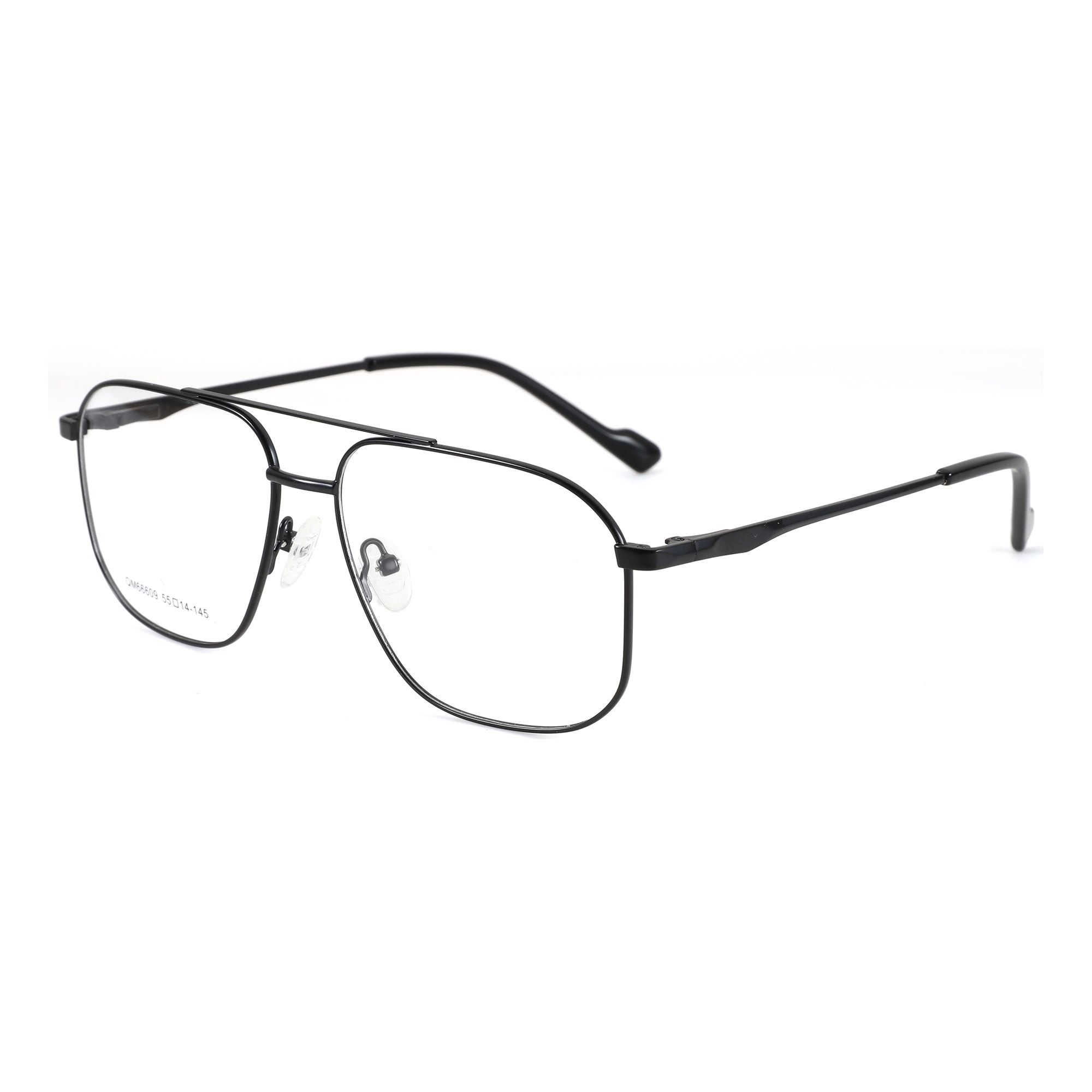
Finding a pair of glasses that feels right is rarely about grabbing the first frame off the shelf. The frame you wear sits at the center of your face all day, shaping how others see you and how comfortable you feel while reading, driving, or staring at a screen. Yet many men treat the decision as an afterthought, then wonder why their glasses slip, pinch, or simply look off in photos. This guide walks through the process step by step, from understanding your face and measurements to matching materials with your daily routine. By the end, you will have a clear method for narrowing down the options and choosing frames that work for your features, your lifestyle, and your comfort rather than settling for whatever happens to be nearby.
Start by Understanding Your Face Shape
The first practical step is figuring out the general shape of your face, because this quietly guides almost every choice that follows. Stand in front of a mirror and look at the widest points of your forehead, cheekbones, and jaw, then notice whether your face is longer than it is wide or fairly balanced. Most men fall loosely into round, square, oval, oblong, or heart categories, and the goal is contrast. Angular frames tend to add welcome structure to softer, rounder faces, while gently curved frames soften a strong, square jaw. If your face is longer, a frame with more depth than width helps keep everything in proportion.
You do not need to obsess over fitting neatly into one box. Plenty of faces are a blend, and the categories are guidelines rather than rules. What matters is the principle behind them: you are looking for a frame that balances your natural lines instead of echoing them. When you begin browsing a collection of Men’s Eyeglasses, keep your face shape in the back of your mind as a filter that quietly removes options that will never quite work, leaving you free to focus on the ones that will.
Get Your Measurements Right
Style means little if the fit is wrong, so the next step is learning the numbers that describe a frame. Every pair carries three key measurements, usually printed on the inside of one temple arm: the lens width, the bridge width, and the temple length. The lens width tells you how wide each lens is in millimeters, the bridge width covers the gap that rests on your nose, and the temple length describes the arms that reach back to your ears. If you already own glasses that fit well, copy those numbers as a starting point and compare them against anything new you consider.
A well-fitted frame should sit level, with the top edge roughly aligned with your brow line and the arms resting comfortably without squeezing the sides of your head. Your eyes should sit near the horizontal center of each lens, not crowded toward the inner corners. If the frame slides down when you look at your phone or leaves marks on your nose and temples after an hour, the measurements are working against you. Taking a few minutes to check these details saves you from the common frustration of glasses that look great in the mirror but become uncomfortable by midday.
Match Materials to Your Daily Routine
Frame material affects weight, durability, and how the glasses feel after hours of wear, so choose based on how you actually live. Metal frames, including lightweight titanium options, tend to look clean and understated and suit men who want something discreet for the office. Acetate and other plastic frames come in bolder shapes and richer colors, giving more presence to your look while often hiding thicker lenses more gracefully. If you spend long days moving between meetings, workouts, or a commute, weight and flexibility become genuine priorities rather than minor preferences.
Think honestly about wear and tear as well. If you tend to toss your glasses onto a desk or into a bag, a sturdier acetate or a flexible metal alloy will forgive more abuse than a delicate rimless design. Men with sensitive skin should look for hypoallergenic materials and adjustable nose pads that reduce pressure points. The right material is the one that fades into the background of your day, letting you forget you are wearing glasses at all rather than constantly reminding you they are there.
Do Not Overlook the Lenses
Frames get most of the attention, but the lenses inside them do the actual work, and the options matter more than many men realize. If you spend hours in front of a monitor, an anti-reflective coating cuts the glare that leads to tired, strained eyes by the end of the day. Blue-light filtering can help those who work late into the evening, while photochromic lenses that darken outdoors save you from switching between glasses and sunglasses. For stronger prescriptions, high-index lenses shave off noticeable thickness and weight, keeping the finished pair slim rather than bulky.
Lens shape and your prescription also interact with the frame you pick. A very wide frame paired with a strong prescription can leave the edges of the lenses looking thick, so a slightly smaller lens area often produces a cleaner result. If you need progressives or bifocals, choose a frame with enough vertical depth to hold the different viewing zones comfortably; a shallow, narrow lens can crowd them together and make the transition awkward. Talking through these needs before you commit ensures the frame you love actually supports the way you see.
Care for Your Frames So They Last
A good pair of glasses is an everyday tool, and a little maintenance keeps it working well for years. Clean the lenses with a drop of mild soap and lukewarm water, then dry them with a proper microfiber cloth rather than a shirt tail or paper towel, both of which can scratch the coating over time. Store the glasses in a hard case when they are off your face instead of leaving them lens-down on a surface, and always use both hands to remove them so the temple arms stay evenly aligned rather than slowly bending out of shape.
Small habits prevent bigger problems. Avoid leaving frames on a hot dashboard, since heat can warp acetate and loosen adhesives, and tighten any slightly loose hinge screws before they work their way out. Most opticians will realign or clean your frames for free, so a quick visit every few months keeps the fit as good as the day you chose them. Treating your glasses with this modest care protects both your investment and the comfortable fit you worked to find.
Consider Color and Lifestyle Together
Color is where personal taste finally gets to lead, but a little strategy keeps the result versatile. Neutral tones such as black, brown, gunmetal, and tortoise pair easily with almost any wardrobe and rarely feel out of place, whether you are dressed for work or the weekend. If you want your frames to make more of a statement, deeper blues, warm ambers, or matte finishes add character without straying into territory that feels loud. A useful trick is to consider your skin tone: warmer complexions often flatter earthy, golden hues, while cooler complexions tend to suit silvers, blacks, and clearer colors.
Lifestyle should shape the final call as much as looks. Someone who needs one dependable pair for everything is usually best served by a versatile neutral frame in a classic shape. Someone building a small rotation can afford to add a bolder second pair for casual days. Brands like ZENOTTIC offer a range of shapes and finishes that make it easier to find both the safe everyday option and the more expressive choice, so you are not forced to compromise between reliability and personality when you settle on what to wear.
Test, Adjust, and Live With Them
The last practical step is treating your choice as something to test rather than a final verdict made in a single glance. When you try a frame, wear it for more than a few seconds. Look down as if reading, turn your head side to side, and smile to see whether the frame lifts uncomfortably against your cheeks. Small issues that seem trivial in the store often grow into daily annoyances, so pay attention to how the glasses behave during ordinary movements rather than only how they look when you hold still.
Once you have chosen, a proper adjustment makes a real difference. Nose pads can be tweaked, temple arms can be bent slightly to hug your ears, and the overall balance can be fine-tuned so the weight distributes evenly. Give any new pair a few days before deciding, since your eyes and face need a short period to adapt, especially with a new prescription. If discomfort persists beyond that window, revisit the fit rather than assuming you simply have to endure it. Good glasses should feel like a natural extension of your face, not a piece of equipment you tolerate.
Bringing It All Together for the Right Pair
Choosing eyeglasses becomes far less overwhelming once you approach it as a sequence of small, sensible decisions. Start with your face shape to guide the overall silhouette, use accurate measurements to lock in a comfortable fit, and let material and color reflect the way you actually spend your days. Then test each candidate the way you would use it in real life and take the time to adjust the final choice properly. Follow that path and you end up with frames that feel effortless, look intentional, and hold up to daily wear. The reward is a pair of glasses you reach for without a second thought, confident that they suit both your face and your routine.