Introduction
Industrial businesses are constantly looking for ways to solve one common challenge: how to create more usable space without taking on the cost and complexity of traditional construction. Whether it is a construction company managing equipment across multiple sites, a manufacturer storing materials, or a logistics provider handling changing inventory levels, storage requirements are becoming more dynamic.
In the past, businesses often depended on permanent warehouses or storage buildings to meet these needs. However, these options are not always practical when space requirements change quickly or when companies need solutions that can be deployed faster.
This is where container-based shelter solutions are gaining attention. By combining the strength of shipping containers with protective roof structures, businesses can create flexible covered areas that support storage, equipment protection, and daily operations while adapting to changing demands.
Why Traditional Storage Is Not Always Enough
The way industries operate has changed significantly. Businesses today need infrastructure that can keep up with changing projects, seasonal demands, and unpredictable market conditions.
A construction company may need extra space for machinery and materials during a major project but may not require the same capacity afterward. A manufacturer may experience periods of increased production where additional storage becomes necessary. Logistics companies often face similar challenges when inventory levels rise unexpectedly.
Building a new warehouse can solve these problems, but it usually involves significant investment, long timelines, and limited flexibility once construction is complete.
For many organizations, the better approach is finding storage solutions that can grow and change with their operations. This demand for adaptability is one of the main reasons container-based shelter systems are becoming increasingly popular.
How Container-Based Shelter Solutions Create More Space
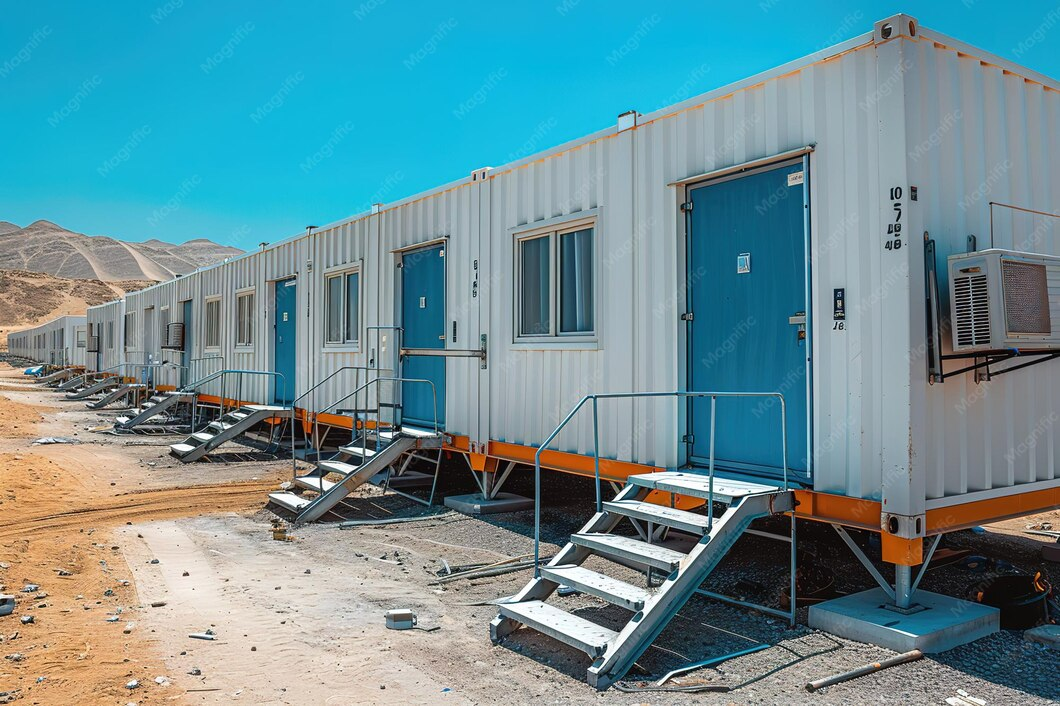
Container-based shelter solutions use shipping containers as a strong foundation for creating larger covered areas. A roof structure is installed over the space between containers, transforming individual storage units into a more functional and protected environment.
This design provides businesses with additional covered space without requiring the same level of investment as a traditional building project.
For example, companies can use these structures to store machinery, protect vehicles, organize inventory, or create additional workspace. The containers provide secure storage areas, while the roof helps protect the surrounding space from weather conditions.
Modern storage container roof systems have made these solutions even more practical by offering improved durability, better designs, and greater flexibility for different industrial applications.
Protecting Valuable Equipment and Materials
One of the biggest advantages of container-based shelters is the protection they provide.
Industrial equipment and materials are often exposed to harsh outdoor conditions. Constant exposure to rain, sunlight, snow, and moisture can lead to corrosion, damage, and increased maintenance costs over time.
A covered storage area helps reduce these risks by providing a more controlled environment. Construction equipment can remain protected between projects, agricultural machinery can be stored safely during off-seasons, and businesses can keep inventory protected while maintaining easy access.
This combination of protection and accessibility makes container-based shelters a valuable option for industries where equipment reliability and operational efficiency are important.
Why Different Industries Are Adopting These Solutions
The growing demand for container-based shelter solutions can be seen across several industries.
Construction companies are among the biggest users because their operations often involve temporary locations and changing storage needs. Instead of investing in permanent structures at every job site, companies can create flexible covered areas for tools, machinery, and materials.
Agricultural businesses also benefit from these systems. Farming operations require storage throughout the year, but building additional permanent structures may not always be the most practical choice. A covered container setup can provide protection for equipment, supplies, and seasonal materials while offering flexibility for future needs.
In logistics and manufacturing, space management is a constant challenge. Businesses dealing with inventory fluctuations or production changes can use covered storage areas to create additional capacity without major facility expansion.
The Importance of Modern Roof Systems
The development of advanced roof solutions has improved the performance of container-based storage systems. Products such as shipping container roof kits allow businesses to create durable covered areas designed for industrial environments.
These systems are built to provide protection while maintaining the flexibility that makes container-based solutions attractive. Depending on the application, they can support equipment storage, material protection, vehicle coverage, and other operational requirements.
As businesses continue to search for efficient ways to use available space, modern roof systems are helping expand the possibilities of container-based infrastructure.
Factors Businesses Should Consider
Although container-based shelter solutions offer many benefits, choosing the right system requires proper planning.
Businesses should consider factors such as the available site area, local weather conditions, the type of materials being stored, and future expansion needs.
A well-planned storage solution should not only solve today’s challenges but also support future operational changes. Considering accessibility, safety, and long-term usability can help businesses get more value from their investment.
Final Thoughts on Container-Based Shelter Solutions
The growing interest in container-based shelter solutions reflects a larger shift in how industries approach storage and infrastructure. Businesses are no longer looking only for permanent buildings; they are looking for solutions that provide flexibility, protection, and the ability to adapt.
By combining durable shipping containers with reliable roof structures, organizations can create practical spaces that support modern operational needs. From construction and agriculture to logistics and manufacturing, these systems are helping businesses manage space more efficiently while protecting valuable assets.
As industries continue to evolve, flexible storage solutions will play an increasingly important role in helping companies operate more efficiently and respond to changing demands.