Running a heavy industrial site or a large commercial facility means keeping dozens of high-stakes variables under control at the exact same time. On any given afternoon, you have heavy machinery operating at high temperatures, external supply deliveries moving through active work zones, and sensitive assets that need to stay tightly protected from outside interference. It is a massive juggling act.
The old way of handling facility safety usually relied on a generic, reactionary playbook—fixing things only after something broke or an incident occurred. Today, the most efficient operations are moving toward smart, fully integrated systems that protect both the perimeter and the individual worker simultaneously.
If you are looking to patch up the vulnerabilities in your current facility setup, these five modern, proactive approaches are reshaping the industrial safety landscape.
1. Merging Physical Surveillance with Smart Personnel
Relying solely on a chain-link fence and a padlocked gate to protect an active facility is a recipe for trouble. Modern perimeter defense requires a dynamic layer of real-time visibility that catches vulnerabilities before they turn into actual breaches.
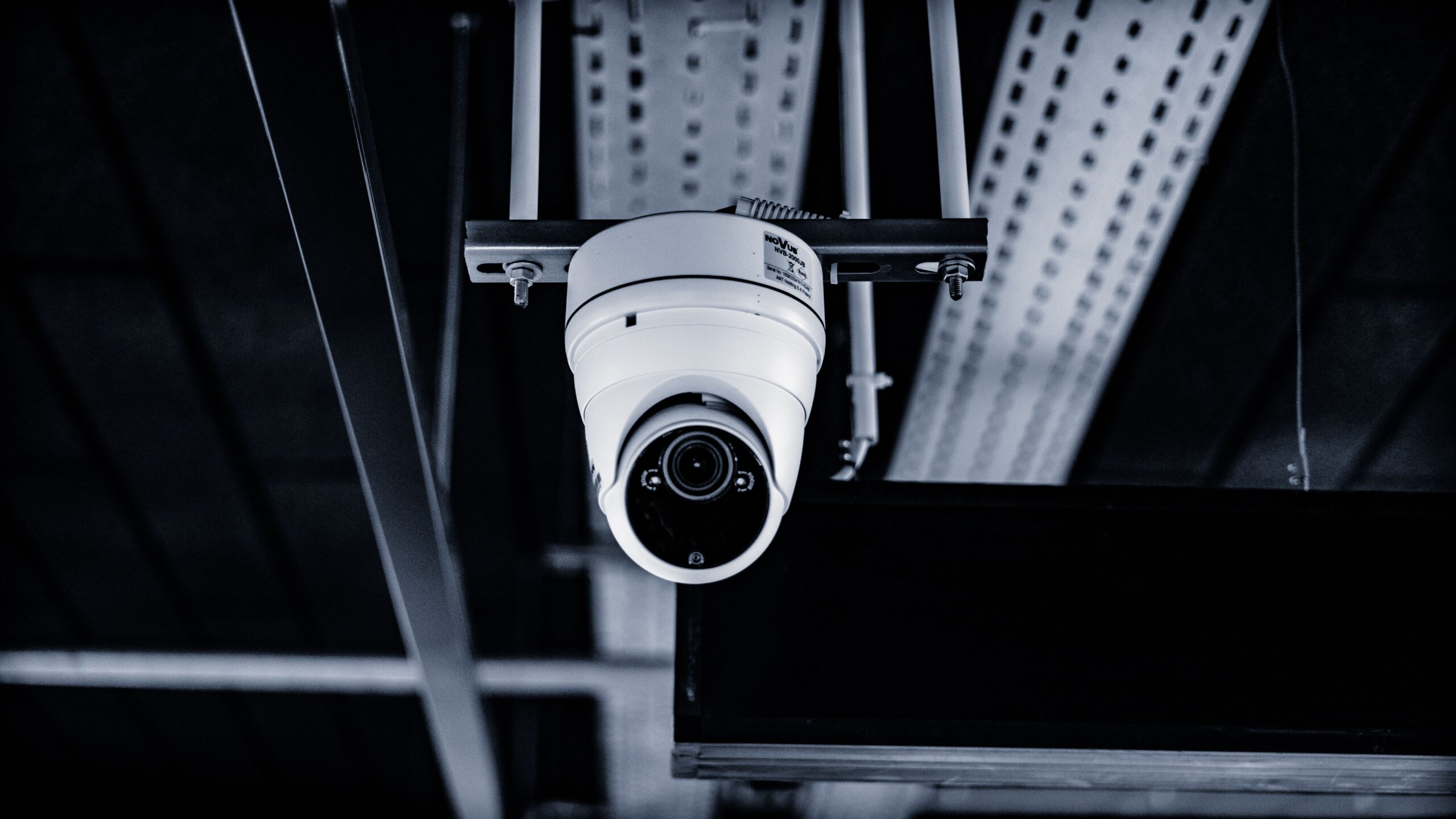
Smart facilities are increasingly pairing advanced camera networks with dedicated, professional on-site monitoring to spot unusual activity instantly. Bringing in established security companies in Edmonton or similar regional specialists allows logistics managers to design tailored patrol schedules and implement high-definition visual oversight. This continuous human presence catches blind spots that automation misses, keeping unwanted visitors far away from dangerous, high-risk industrial zones.
2. Upgrading Wearable Tech for Specialized Trades
Protecting the perimeter doesn’t mean much if the environment inside the building is exposing workers to daily injuries. In high-risk fabrication setups, personal protective equipment needs to evolve right alongside your external security infrastructure.
Take industrial welding areas, for example, where flash burns and toxic fumes are constant threats. Passing out generic, outdated face shields leaves workers fatigued and vulnerable to long-term optical damage. Forward-thinking shops are investing in premium auto-darkening gear like modern miller welding helmets to drastically improve visibility and respiratory health. When technicians can see their work clearly without constant manual adjustments, they make fewer mistakes, which cuts down on operational errors across the entire floor.
3. Digitizing the Emergency Fund Blueprint
No matter how many safety drills you run, unexpected physical damage or sudden equipment failures can grind production to a sudden halt. A massive storm might take out an entire section of your perimeter fencing, or a vital power system might fail, requiring immediate emergency repairs to keep the workplace safe.
When these incidents pop up, waiting weeks for a corporate insurance payout or going through a tedious banking run to fund repairs creates prolonged vulnerability. Modern site operators maintain operational agility by keeping fast digital platforms on hand. Using streamlined online financial services like Lamina allows managers to secure necessary funds and get them deposited directly into an account within 1 hour of receiving notification of approval by text message or email. Getting those emergency funds quickly means you can patch up physical vulnerabilities and secure the site before the day ends.
4. Implementing Predictive Maintenance Networks
Waiting for a heavy piece of machinery to fail before servicing it creates a dual nightmare: it kills your daily productivity and puts nearby operators in immediate physical danger. A ruptured high-pressure hose or a mechanical failure on a crowded floor can cause catastrophic, high-risk accidents in a split second.
The modern standard relies heavily on predictive data sensors attached to critical infrastructure. These simple IoT devices track real-time vibrations, temperature spikes, and electrical fluctuations, flagging minor wear and tear long before a machine actually breaks down. Scheduling maintenance based on data rather than guesswork keeps your floor running smoothly and ensures your team never works next to a ticking time bomb.
5. Restructuring Traffic and Material Flow
A surprising number of industrial accidents have nothing to do with faulty machinery or external break-ins—they happen because of poor spatial organization. When heavy forklifts, commercial supply trucks, and walking employees all share the exact same unmarked pathways, collisions are inevitable.
Smart facility design utilizes clear physical barriers, color-coded floor coatings, and designated pedestrian zones to keep human traffic completely separated from heavy logistics equipment. Restructuring how materials move from the loading dock to the production line reduces chaotic congestion, minimizes the risk of human error, and ensures that your perimeter security checkpoints flow into a highly organized internal environment.