
Every glass of water you drink plays a direct role in your body’s ability to function, recover, and thrive. Yet for millions of households, tap water carries an invisible burden of contaminants—lead leaching from aging pipes, chlorine byproducts, pesticide residues, and even pharmaceutical traces that standard municipal treatment fails to fully eliminate. Reverse osmosis has emerged as one of the most powerful water purification methods available to consumers, capable of stripping away up to 99% of dissolved solids and harmful substances. But here’s the critical question: if reverse osmosis removes nearly everything from water, doesn’t that include the beneficial minerals your body needs? This is exactly where remineralization changes the equation. In this article, we’ll explore why combining reverse osmosis filtration with a remineralization stage delivers the cleanest, healthiest, and best-tasting water possible—covering the technology behind it, the measurable health benefits, and practical guidance for health-conscious consumers ready to upgrade their hydration routine.
The Problem with Tap Water and Need for a Reliable Water Purifier
Municipal water systems across the country routinely detect contaminants that pose serious health concerns. Lead enters drinking water through corroding pipes and fixtures, with no safe level of exposure—particularly for children and pregnant women. Chlorine, while necessary for disinfection at treatment plants, reacts with organic matter to form trihalomethanes and haloacetic acids, both linked to increased cancer risk over prolonged consumption. Beyond these, microbes like Cryptosporidium and Giardia can survive standard chlorination, causing gastrointestinal illness in vulnerable populations. Pesticide runoff, PFAS chemicals, and dissolved pharmaceuticals add further layers of invisible risk that accumulate with every unfiltered glass. For health-conscious consumers who understand that chronic low-level exposure compounds over years, the need for a dependable water purification method at the point of use becomes non-negotiable. The challenge lies in finding a system that doesn’t just reduce a handful of contaminants but comprehensively addresses the full spectrum of threats hiding in your home’s water supply.
Understanding Reverse Osmosis Technology
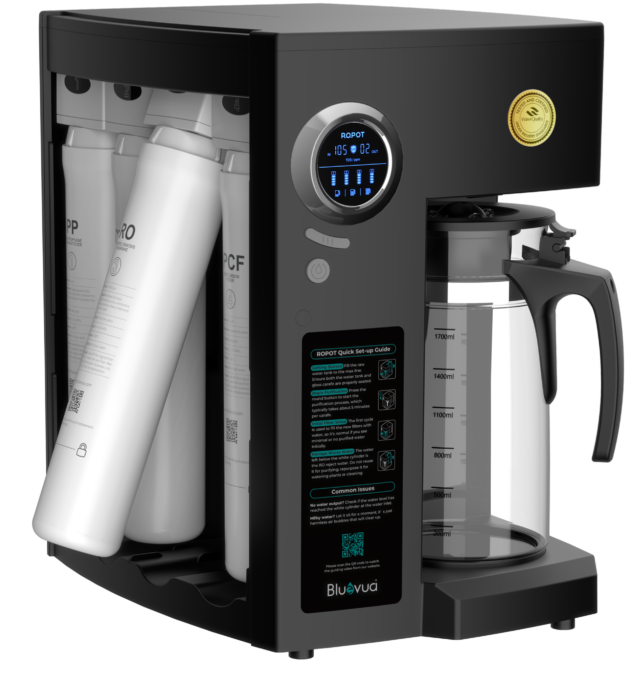
Reverse osmosis works by forcing water through a semipermeable membrane with pores so small that only water molecules pass through, while contaminants are rejected and flushed away. Unlike simple carbon filters that rely on adsorption or sediment filters that catch only larger particles, reverse osmosis operates at the molecular level—blocking dissolved solids, heavy metals, bacteria, and organic compounds that other technologies leave behind. A typical system employs multiple stages working in sequence. Water first passes through a sediment pre-filter that removes rust, sand, and particulate matter to protect the delicate membrane downstream. Next, an activated carbon pre-filter absorbs chlorine and volatile organic compounds that would otherwise degrade the membrane over time. The water then enters the RO membrane itself, where pressure drives purified water through while rejecting up to 99% of total dissolved solids. After membrane filtration, a post-filter—often a polishing carbon stage—eliminates any residual taste or odor before the water reaches your glass. This layered approach means each component handles specific threats, extending the life of the entire system while delivering comprehensive purification that standalone filters simply cannot match. The result is water stripped of virtually all dissolved contaminants, creating an ideal foundation for the remineralization stage that follows.
The Role of Remineralization in Water Filters
While reverse osmosis excels at removing harmful substances, it cannot distinguish between dangerous contaminants and the beneficial minerals your body depends on daily. Calcium supports bone density and cardiovascular function. Magnesium regulates muscle contractions, nerve signaling, and over 300 enzymatic reactions. Potassium maintains proper fluid balance and blood pressure. When you drink demineralized water consistently, you miss a meaningful supplemental source of these essential nutrients—and some research suggests that mineral-depleted water may actually leach small amounts of minerals from your body during digestion, creating a subtle but compounding deficit over time. The water also tastes flat and slightly acidic, which discourages adequate daily intake. Remineralization solves this problem elegantly. After the RO membrane strips water down to its purest state, a dedicated remineralization stage reintroduces trace minerals in controlled, beneficial concentrations. Most systems accomplish this through a mineral cartridge containing natural calcite or dolomite media—as purified water flows through, it slowly dissolves calcium and magnesium from the stone, raising both mineral content and pH to a slightly alkaline level. Some advanced systems use coral or maifan stone blends that add a broader spectrum of trace elements. The result is water that combines the safety of thorough purification with the nutritional value and pleasant taste of naturally mineral-rich spring water.
Key Benefits of a Reverse Osmosis Water Filter with Remineralization
Choosing a reverse osmosis water filter with remineralization means you’re not settling for partial solutions—you’re addressing water quality from every angle that matters for your daily hydration routine and long-term health. This combination delivers water that is simultaneously free from harmful contaminants and enriched with the minerals your body requires to function optimally. Rather than forcing a trade-off between purity and nutrition, these systems give you both in a single, streamlined setup. For health-conscious consumers seeking a reliable water purification method, this dual approach eliminates the guesswork and compromises that come with less comprehensive filtration options.
Superior Removal of Harmful Contaminants
The reverse osmosis membrane acts as an exceptionally fine barrier, rejecting heavy metals like lead, mercury, and arsenic alongside chemical threats such as chlorine byproducts, pesticides, and PFAS compounds. Bacteria, viruses, and parasitic cysts that resist standard disinfection are physically blocked from passing through. This level of purification means your water is cleared of threats that accumulate silently in the body over years of daily consumption.
Enhanced Taste and Health from Remineralized Water
Remineralized water carries a noticeably smoother, more satisfying mouthfeel compared to flat-tasting demineralized output. The reintroduced calcium and magnesium raise pH into a mildly alkaline range, which many people find more refreshing and easier to drink in adequate quantities throughout the day. This improved palatability directly supports better hydration habits, while the mineral content contributes to bone health, electrolyte balance, and proper cellular function without relying solely on dietary sources.
Cost-Effectiveness and Convenience for Daily Use
Over time, a home reverse osmosis system with remineralization costs a fraction of what households spend on bottled mineral water—eliminating plastic waste in the process. Most systems install directly under the kitchen sink with minimal plumbing modifications and require only periodic filter replacements, typically every six to twelve months. This low-maintenance convenience makes premium-quality water available on demand without disrupting your daily routine.
How to Choose the Right Reverse Osmosis Water Filter with Remineralization
Selecting the right system starts with understanding your specific water conditions and household needs. Begin by reviewing your local water quality report or conducting a home test kit analysis to identify which contaminants require targeted removal—this determines whether you need additional specialized filters beyond the standard RO configuration. Next, evaluate the number of filtration stages. Systems with five or more stages typically include dedicated sediment removal, carbon pre-filtration, the RO membrane, post-carbon polishing, and a remineralization cartridge, offering the most thorough protection. Pay close attention to the remineralization method itself—calcite-based cartridges reliably restore calcium and raise pH, while composite mineral blends incorporating magnesium-rich dolomite or trace element stones deliver a broader nutritional profile. Flow rate matters for daily convenience; look for systems that produce enough purified water to keep pace with your household’s drinking, cooking, and beverage preparation demands without long wait times. Consider installation requirements honestly—most under-sink models fit standard cabinetry, but confirm your space accommodates the storage tank and drain connection. Brands like Bluevua offer countertop and under-sink options that simplify installation while integrating remineralization into their multi-stage filtration design. Maintenance schedules vary, so prioritize systems with clearly documented replacement intervals and readily available filter cartridges. Finally, research brand reliability through independent certifications like NSF/ANSI standards, verified customer reviews, and transparent performance data. A dependable water purification method should come backed by consistent third-party validation, not just marketing claims.
Integrating the System into Your Hydration Routine
Once your reverse osmosis system with remineralization is installed, making it a seamless part of daily life requires just a few intentional habits. Start each morning by filling a reusable bottle directly from your dedicated faucet—having purified, mineral-rich water immediately accessible removes friction from staying hydrated throughout the day. Use your filtered water for all cooking purposes, from boiling pasta to brewing coffee and tea, since heat doesn’t eliminate dissolved heavy metals or chemical residues that would otherwise concentrate in your food and beverages. The improved mineral content and neutral-to-alkaline pH also enhance the flavor extraction in coffee and the clarity of homemade broths. To maintain consistent quality, set calendar reminders for filter replacement based on your system’s recommended schedule and your household’s daily usage volume. Consider keeping a simple TDS (total dissolved solids) meter near your sink—a quick weekly reading confirms your membrane is performing properly, and any sudden spike signals it’s time for maintenance before water quality degrades. Track your daily water intake alongside these quality checks, aiming for the volume that supports your activity level and climate conditions. When the system becomes a trusted, effortless part of your routine rather than an afterthought, you’ll naturally drink more and rely less on sugary alternatives or expensive bottled options.
Pure, Mineral-Rich Water as Your Daily Health Foundation
A reverse osmosis water filter with remineralization represents the most complete answer to the dual challenge modern households face—removing the full spectrum of harmful contaminants while preserving the mineral nutrition that supports everyday health. The RO membrane delivers unmatched purification by eliminating heavy metals, chemical byproducts, pathogens, and dissolved pollutants that accumulate in the body through years of unfiltered consumption. The remineralization stage then restores what nature intended water to carry: calcium for strong bones, magnesium for proper cellular function, and a balanced pH that makes every glass taste refreshing enough to drink consistently. Together, these technologies eliminate the compromise between safety and nutrition that has long frustrated health-conscious consumers searching for a dependable water purification method. The practical advantages reinforce the decision—lower long-term costs than bottled water, minimal maintenance demands, and seamless integration into daily cooking and hydration habits. By choosing a system backed by independent certifications and matched to your household’s specific water conditions, you take control of one of the most fundamental factors in your family’s wellbeing. Clean, mineral-rich water isn’t a luxury; it’s a daily foundation for better health that starts with one informed choice.