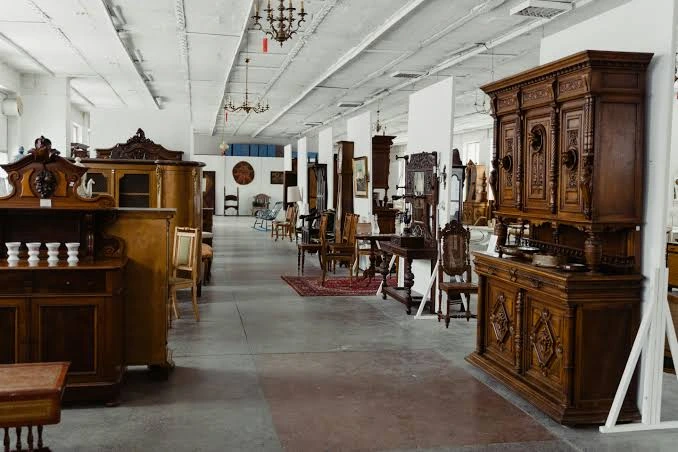
Antique furniture can bring character, craftsmanship, and history into a home in ways that modern mass-produced pieces often cannot. Whether you are furnishing an entire property or simply looking for a few statement pieces, antiques can help create a unique living space that reflects your personality and appreciation for timeless design.
However, decorating with antique furniture requires careful planning. From choosing the right pieces to ensuring they fit within your overall design scheme, there are several factors to consider. With the right approach, you can create a beautiful home that combines historic charm with modern comfort.
Start with a Clear Vision
Before purchasing any antique furniture, it is important to consider the overall style you want to achieve. Some homeowners prefer a traditional aesthetic filled with period pieces, while others enjoy blending antiques with contemporary furnishings for a more eclectic look.
Having a clear vision can help guide your purchasing decisions and prevent impulse buys that may not work well within your space. Consider the colors, materials, and architectural features already present in your home and think about how antique furniture can complement them. Creating a mood board or collecting inspiration images can also help refine your ideas before you begin shopping.
Learn About Different Periods
Antique furniture covers a wide range of styles and historical periods. Understanding the characteristics of different eras can help you identify pieces that align with your preferences. For example, Victorian furniture often features ornate carvings and rich woods, while Georgian pieces are known for their elegance and symmetry. Art Deco furniture typically incorporates bold geometric shapes and luxurious materials. Learning about these styles can make shopping more enjoyable and help you build a collection with greater confidence.
Prioritize Quality Craftsmanship
One of the major advantages of antique furniture is the level of craftsmanship often found in older pieces. Many antiques were built using traditional joinery techniques and high-quality materials that have allowed them to survive for generations. When evaluating potential purchases, inspect the construction carefully. Look for solid wood, sturdy joints, and signs of professional restoration if repairs have been carried out.
While minor wear can add character, structural issues may require costly repairs and should be considered before making a purchase.
Mix Old and New
A common misconception is that antique furniture must be used exclusively throughout a home. In reality, many of the most stylish interiors combine antique and contemporary elements. An antique dining table can work beautifully alongside modern lighting, while a vintage chest of drawers may complement a minimalist bedroom design. Mixing styles can prevent rooms from feeling overly formal and help create a more balanced aesthetic.
The key is to maintain some visual consistency through color palettes, materials, or recurring design themes.
Shop from Reputable Sources
Antique shops, auctions, estate sales, fairs, and specialist dealers can all provide opportunities to discover interesting pieces. Purchasing from reputable sellers can increase the likelihood of obtaining authentic items and receiving accurate information about their history and condition. Do not be afraid to ask questions about provenance, restoration work, and age. Experienced dealers are often happy to share their knowledge and help buyers make informed decisions. Patience is also important. Finding the right piece may take time, but waiting for something you truly love is often worthwhile.
Plan Transportation Carefully
Unlike flat-pack furniture, antique pieces are often heavy, fragile, and difficult to replace. Safe transportation is, therefore, an essential consideration when purchasing antiques. Delicate carvings, glass components, and aging materials can all be vulnerable to damage if handled improperly. Many buyers use services such as www.shiply.com to explore transport options for moving valuable furniture safely from sellers to their homes. Taking the time to arrange suitable transportation can help preserve the condition of your investment.
Care for Your Collection
Proper maintenance can help antique furniture remain attractive and functional for many years. Avoid exposing pieces to direct sunlight, excessive humidity, or dramatic temperature changes, as these conditions can damage wood and finishes. Regular dusting and occasional professional restoration may be beneficial depending on the age and condition of the furniture. Using appropriate cleaning products is also important, as harsh chemicals can damage delicate surfaces.
Furnishing your home with antique furniture offers an opportunity to create a space filled with character, history, and individuality. With thoughtful planning and proper care, antique furniture can become a treasured part of your home for generations to come.