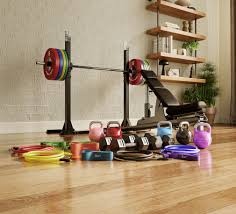
The way people approach fitness has shifted dramatically. Crowded gyms, rigid schedules, and expensive memberships have pushed millions toward building personal workout spaces at home. But early home gym setups often meant choosing between a treadmill that dominated the living room or a set of dumbbells that barely covered the basics. Neither option offered the guidance or variety needed to stay consistent and see real results.
Smart home gym equipment changes that equation entirely. These connected, intelligent systems go far beyond tracking steps or counting calories — they learn your body, adapt to your goals, and coach you through every session as if a personal trainer were standing right beside you. The question worth exploring is how exactly this technology delivers a fitness experience that feels genuinely tailored to you, not just a generic program dressed up with a sleek interface.
This article breaks down what makes smart home gym equipment such a powerful tool for personalized fitness. From core technologies like AI-driven training plans to real-time performance feedback, we’ll examine the features that matter most, how they serve different training goals, and what to look for when choosing the right system for your space and lifestyle.
The Evolution to All-in-One Smart Home Gym Equipment
Home fitness equipment once meant one thing: bulk. A treadmill took over a spare bedroom, a weight bench demanded its own corner, and a stationary bike collected dust once the novelty wore off. Each machine did one job, and none of them talked to each other. The result was either a cluttered space that felt more like a storage unit than a gym, or a stripped-down setup that couldn’t support any real training variety.
The shift toward all in one gym equipment for home fundamentally changed that model. Modern systems consolidate strength training, cardio, flexibility work, and guided coaching into a single, space-efficient unit. What makes these systems genuinely “smart” goes beyond a touchscreen bolted to a cable machine. True smart equipment uses embedded sensors, onboard computing, and cloud connectivity to monitor how you move, measure your output, and respond in real time. It doesn’t just record data — it acts on it.
This integration creates a holistic fitness experience that standalone machines simply can’t match. A smart system knows your training history, recognizes when you’re fatiguing faster than usual, and adjusts the session accordingly. It connects to apps, syncs with wearables, and builds a continuous picture of your health over time. Rather than offering a static tool you operate manually, all-in-one smart gym equipment functions as an active training partner — one that evolves alongside your fitness journey and keeps the experience relevant, challenging, and personal.
Core Features That Power Personalized Fitness
What separates smart home gym equipment from a standard machine with a screen comes down to the intelligence running underneath. The most capable systems combine AI-driven training logic, biometric sensing, and seamless connectivity to create an experience that responds to you specifically — not a generalized user profile. These three layers work together to make personalization feel automatic rather than something you have to configure manually every session.
Built-in AI and machine learning form the foundation. As you train, the system continuously analyzes your performance data — output power, rep tempo, recovery time, heart rate response — and uses that information to refine future sessions. Over weeks and months, the algorithm builds a detailed model of your fitness capacity, identifying patterns you’d never notice yourself. If your strength output consistently drops on Thursday sessions, the system might flag recovery as a variable and suggest a lighter intensity day. This kind of adaptive logic is what makes the training feel genuinely responsive rather than scripted.
Connectivity extends that intelligence further. Most smart gym systems integrate with popular fitness apps like Apple Health, Google Fit, or Garmin Connect, pulling in data from wearables to complete the picture. Your sleep quality, daily step count, and resting heart rate all influence how the system calibrates your next workout. Rather than treating each session as an isolated event, connected equipment understands your fitness in context — accounting for stress, fatigue, and recovery across your entire lifestyle.
Smart Home Gym Ecosystems and Integration
Modern smart gym equipment doesn’t operate in isolation — it plugs into a broader ecosystem. Through Wi-Fi or Bluetooth, these systems sync with tablets, smartphones, and smart home platforms, letting you control workouts, review analytics, and schedule sessions directly from an app. Many units feature large touchscreen displays that stream live classes, mirror your phone, or pull up guided programs without requiring a separate device. Brands like AEKE have built their all-in-one systems around this kind of tight ecosystem integration, ensuring fitness data lives in one accessible place and making it easier to track trends and stay accountable over time.
Automated Custom Training Plan Creation
When you first set up a smart gym system, an initial assessment establishes your baseline — testing strength, endurance, mobility, and cardiovascular capacity depending on the equipment. You input your goals, whether that’s building muscle, improving conditioning, losing weight, or recovering from injury, and the algorithm generates a structured training plan built around those inputs and your current fitness level.
What makes this more than a static program is the ongoing adjustment layer. As you complete sessions, the system tracks whether you’re hitting targets, struggling with prescribed loads, or progressing faster than expected. It recalibrates the plan accordingly — increasing intensity when you’re ready, pulling back when recovery demands it, and introducing new movement patterns to prevent plateaus. This continuous feedback loop means your training plan is never truly finished; it evolves in real time alongside your actual progress.
Targeted Workouts: Flexibility Training and Endurance Workouts
One of the most compelling advantages of smart home gym equipment is its ability to serve genuinely different training disciplines without requiring separate machines for each. A single well-designed system can guide you through a mobility-focused recovery session in the morning and a high-intensity interval cardio workout in the afternoon — tracking the right metrics for each and adjusting its coaching approach accordingly. This versatility isn’t just about having multiple exercise modes available; it’s about the system understanding what each discipline demands and delivering targeted support for each one.
This matters because real fitness rarely lives in one lane. Building a strong, functional body requires balancing strength, cardiovascular capacity, and mobility. Most traditional home equipment forces you to choose one focus and neglect the others. Smart all-in-one systems break that constraint by housing the sensors, software, and programming needed to support comprehensive training across all three domains. Whether your priority this week is loosening tight hips, building aerobic base, or both, the system adapts its guidance to meet that specific need rather than applying a one-size-fits-all approach.
Enhancing Flexibility Training with Guided Feedback
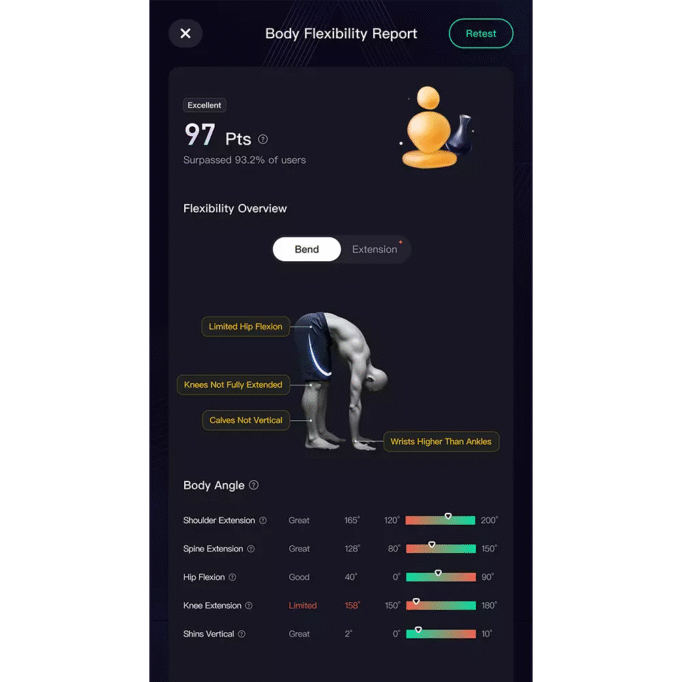
Flexibility work is notoriously easy to skip and even easier to do incorrectly. Smart gym systems address both problems directly. Motion sensors and cameras track joint angles and body positioning during stretches, yoga flows, or Pilates sequences, providing real-time cues when your alignment drifts or a hold needs adjustment. Rather than guessing whether you’re getting the intended benefit from a hip flexor stretch, the system confirms it — or redirects you before a compensation pattern becomes a habit. Programmable routines let you schedule dedicated flexibility sessions into your weekly plan, ensuring mobility work gets the same structured attention as strength or cardio training rather than being treated as an afterthought.
Optimizing Endurance Workouts with Real-Time Data
Cardio training becomes significantly more effective when you can see exactly what’s happening physiologically as it happens. Smart gym equipment tracks heart rate, power output, cadence, and resistance levels simultaneously, displaying them in real time so you can make immediate adjustments rather than estimating effort by feel. More importantly, the system uses this data actively — if your heart rate climbs above your target zone during a steady-state session, it can automatically reduce resistance to bring you back on track. For interval training, it precisely times work and recovery phases based on your actual recovery speed rather than a fixed clock, making each session more efficient and better calibrated to your current fitness level.
Solving Key Needs for Home Gym Users
Understanding what smart home gym equipment can do technically is one thing — understanding how those capabilities solve real problems for people training at home is another. Home gym users face a distinct set of challenges that differ fundamentally from gym-goers. Without a trainer to design your program, it’s easy to fall into repetitive routines that stop producing results. Without external accountability, motivation dips. And without immediate feedback on form or effort, bad habits develop quietly until they become injuries. Smart gym systems address each of these friction points directly, turning what was once a limitation of home training into a genuine advantage.
The most common frustration home gym users report is not knowing what to do next. Walking into a commercial gym, you can watch others, ask a trainer, or follow a class schedule. At home, that structure disappears unless you build it yourself. Smart equipment fills that gap by functioning as a built-in program director — one that knows your history, understands your goals, and has a plan ready before you even step onto the platform. It removes the decision fatigue that causes so many people to either skip sessions or default to the same comfortable exercises indefinitely.
Performance feedback is the second major gap smart equipment closes. Training without feedback is like practicing a skill with no way to gauge whether you’re improving. Knowing your output power dropped 15% compared to last Tuesday, or that your left side is consistently generating less force than your right, gives you something concrete to act on. This kind of data-driven awareness transforms home training from a solitary guessing game into a structured, measurable process — one where progress is visible, setbacks are diagnosable, and motivation stays grounded in real results rather than vague effort.
Solution: Curated Workout Plans Tailored to Home Setups
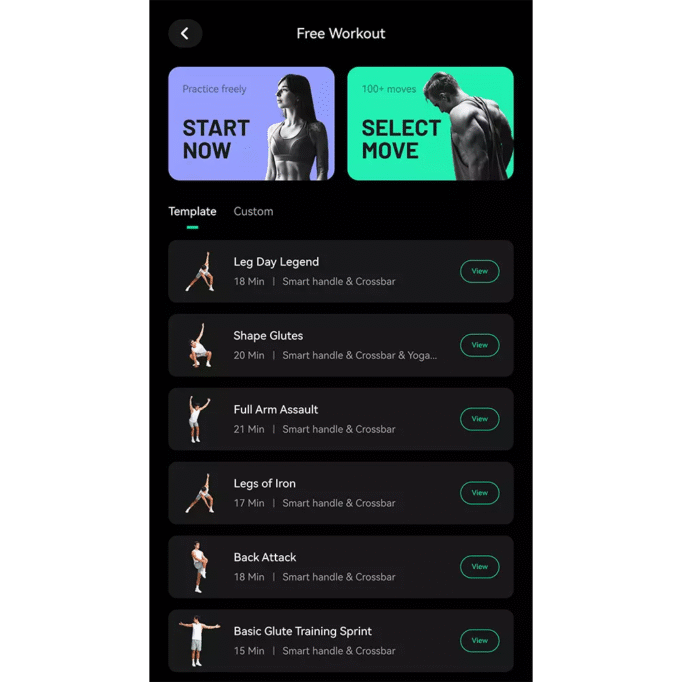
Accessing a curated training plan through smart gym equipment is straightforward, but getting the most from it requires a few deliberate steps. Start by completing the system’s onboarding assessment honestly — don’t overperform to get a harder program. Accurate baseline data produces a plan that actually fits where you are, not where you want to be. Next, input your specific constraints: available training days, session length limits, and any movement restrictions. The algorithm uses these parameters to generate a schedule that works within your real life rather than an idealized one.
From there, the system handles variety and progression automatically. Strength days rotate muscle groups to allow recovery, cardio sessions shift between steady-state and interval formats to develop different energy systems, and mobility work gets woven in rather than left as an optional add-on. As your fitness level improves, the plan scales accordingly — adding volume, increasing resistance, or introducing more complex movement patterns. You don’t need to redesign your program every few weeks; the equipment does it for you, keeping training fresh and continuously challenging without requiring any programming knowledge on your part.
Solution: Real-Time Feedback on Exercise Performance
Real-time feedback operates on two levels: in-session correction and post-session analysis. During a workout, smart equipment uses force sensors, cameras, and accelerometers to monitor rep quality, movement symmetry, and range of motion. If your squat depth is inconsistent or your rowing stroke is losing power at the catch, the system flags it immediately through on-screen cues or audio prompts — allowing you to correct the issue within the same set rather than reinforcing a flawed pattern over hundreds of reps.
After each session, the performance data gets compiled into a digestible summary. Rep-by-rep output graphs show exactly where fatigue set in. Heart rate curves reveal how efficiently you recovered between intervals. Trend charts across multiple sessions make progress visible in concrete terms — not just “I feel stronger” but measurable increases in power output or reduced recovery time. This layered feedback system keeps motivation high by making improvement tangible, while also giving you the information needed to train smarter, reduce injury risk, and build toward long-term goals with genuine confidence.
Choosing the Right All-in-One Gym Equipment for Your Home
Selecting smart home gym equipment is a significant investment, and the right choice depends on factors that go well beyond brand reputation or feature lists. Start with your physical space. Measure the area where the equipment will live and compare it against the unit’s footprint — not just its static dimensions, but the clearance needed for cables, pulleys, or moving arms during actual use. A system that fits perfectly when folded may require considerably more room in operation.
Next, match the equipment’s capabilities to your actual training priorities rather than aspirational ones. If strength training is your primary focus, prioritize systems with a wide resistance range, reliable force sensing, and robust free-weight simulation. If cardio and recovery matter more, look for strong heart rate monitoring, guided endurance programming, and dedicated flexibility modes. Avoid paying for sophisticated features you won’t realistically use — but equally, don’t underestimate what you’ll want six months from now. All-in-one systems from fitness equipment brands like AEKE are worth evaluating on this front, as they’re designed to accommodate a broad range of training needs within a compact footprint.
Scalability deserves serious weight in your decision. The best all-in-one systems grow with you — expanding resistance ranges, unlocking advanced programming tiers as your fitness improves, and integrating with additional devices over time. Check whether the platform receives regular software updates, since the intelligence powering personalized training depends on ongoing algorithm refinement. A machine with strong hardware but a stagnant software ecosystem will plateau just as your fitness does. Finally, evaluate the content library and coaching quality available through the companion app, since that interface is where most of your daily interaction with the system will actually happen.
Why Smart Home Gyms Are the Future of Personalized Fitness
Smart home gym equipment has fundamentally redefined what personalized fitness means outside a commercial gym setting. What once required a personal trainer, multiple machines, and a rigid schedule can now happen in a single connected system that learns how you move, tracks how you recover, and builds programming around your actual life rather than a generic template.
The advantages compound over time. AI-driven training plans remove the guesswork from progression. Real-time feedback closes the gap between effort and improvement. Flexible programming across strength, endurance, and mobility means you’re never forced to sacrifice one fitness domain for another. And because these systems integrate with the apps and wearables already part of your daily routine, your fitness data becomes a continuous, coherent story rather than a collection of disconnected numbers.
For home gym users specifically, these capabilities solve the problems that derail most self-directed training — lack of structure, absence of accountability, and no reliable way to measure whether what you’re doing is actually working. Smart equipment addresses all three simultaneously, making home training not just a convenient alternative to the gym but a genuinely superior environment for consistent, measurable progress.
Looking ahead, the technology will only grow more sophisticated. Advances in computer vision, biometric sensing, and predictive analytics will make personalization even more precise — anticipating your needs before you recognize them yourself. The home gym of the future won’t just respond to how you train. It will help shape how you live.