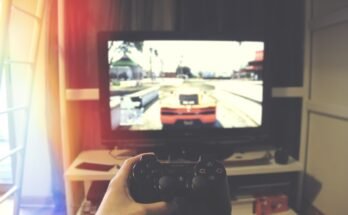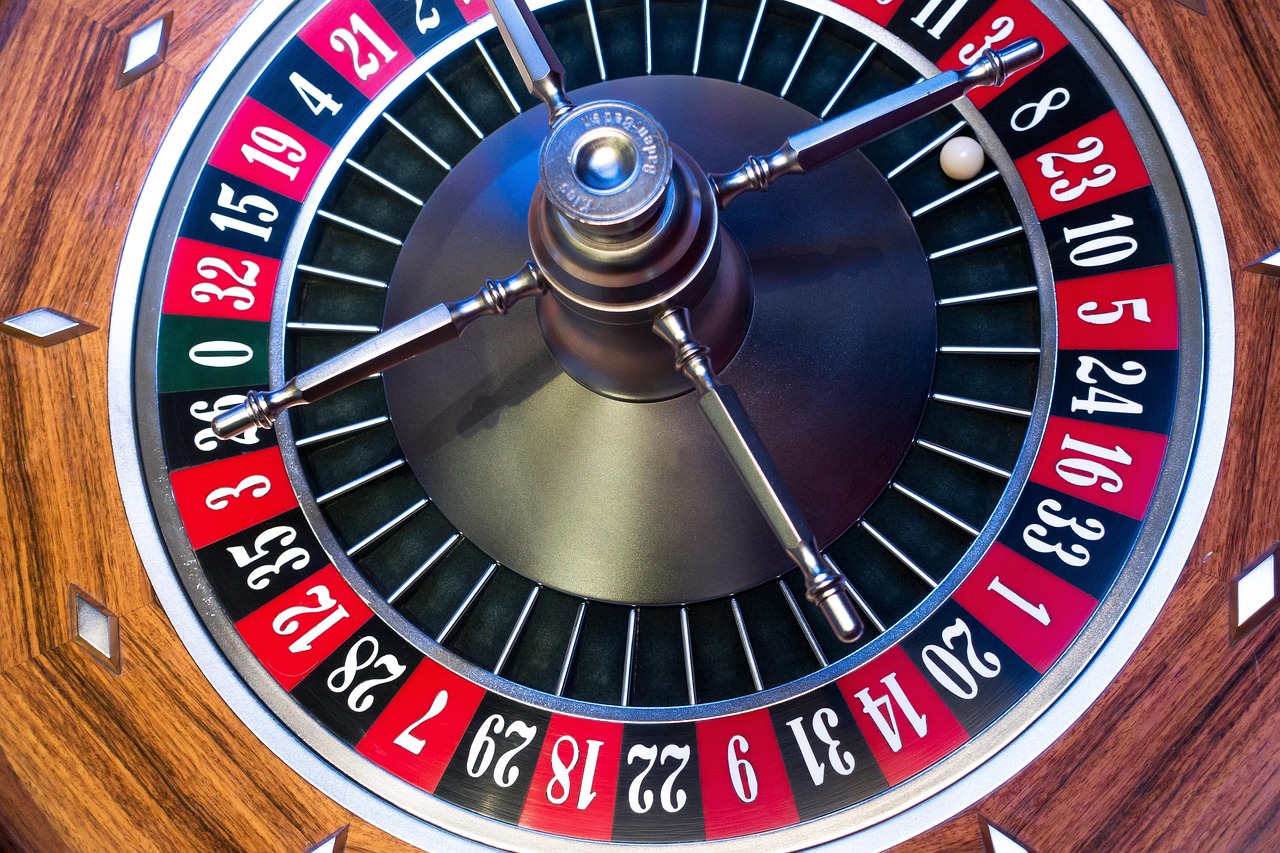
After midnight, people use the internet differently. During the day it is easier to deal with long pages, too many options, or anything that feels a bit demanding. At night that patience drops fast. The mood is different. The room is quiet, the mind is more tired, and nobody really wants a screen that asks for too much. Most late-night browsing is just a way to unwind a little, stay occupied for a few minutes, or shake off that restless feeling before sleep. That is why nighttime online habits have their own pace, even if countless websites still do not seem to get that.
Why the Internet Feels Different After Dark
Night changes the way people respond to the screen. During the day, a person may tolerate long pages, too many options, or content that asks for planning. Late at night, that same structure can feel exhausting almost immediately. The brain has less interest in sorting, comparing, and deciding. It wants something that either holds attention fast or gets out of the way. That is one reason nighttime digital habits are often built from smaller pieces – short videos, quick chats, compact posts, and light interactive breaks that fit the hour without asking for much setup.
That is also why it feels natural to move from a late scroll into something like play desi online when the point is simply to give the mind a different rhythm for a few minutes. It fits the kind of mood where a person is not ready for bed but is also not interested in anything too serious. In those moments, short interactive play works because it feels immediate and contained. It does not try to become the whole night. It just suits the hour.
Why Endless Scrolling Starts to Feel Heavier at Night
A lot of people keep scrolling long after the screen has stopped giving them anything useful. The problem is not always the content itself. The problem is repetition. Post after post starts to blend into the next one, and the mind stays active without feeling refreshed. That is especially common late at night, when the body is tired but the attention is still looking for one more thing. In that state, passive browsing can become strangely draining. It fills time, yet rarely changes the mood in a satisfying way.
Short play often works better because it breaks that pattern. It gives the brain a clear task, a quick result, and a natural stopping point. That shape matters more at night than it does during the day, because late-night attention usually responds better to experiences with a clear edge. A person does not need a huge reward. A small burst of movement is often enough to cut through the flat feeling that endless scrolling creates.
The Best Nighttime Content Knows When to Stop
A lot of weak digital products make the same mistake after dark. They keep trying to hold the user too hard. More prompts, more pop-ups, more clutter, more reasons to stay. At night, that usually has the opposite effect. People respond better to content that feels self-contained and easy to leave. A good nighttime distraction should not become another source of pressure. It should give something back quickly, then let the user decide whether to continue or close the tab without friction.
Late-night attention has a very different threshold
This is where strong short-form entertainment usually gets it right. It understands that the user may have five minutes, not fifty. It respects the fact that energy is lower and patience is thinner. The experience starts fast, stays readable, and does not force the person into a long chain of choices before anything interesting happens. That kind of pacing feels much better after dark because the internet is being used in a looser, more instinctive way. People are not building a plan. They are following the mood they are already in.
Why Dark-Hour Entertainment Is More About Atmosphere Than Ambition
Night browsing has always had a slightly different atmosphere. People lean toward things that feel more private, more immediate, and a little less polished than daytime content. There is a reason certain corners of the internet come alive after midnight. The mood shifts. Users become more open to curiosity, quick experiments, small forms of play, and content that feels slightly removed from daytime routine. It is less about ambition and more about sensation – a little movement, a little tension, a little change in pace before sleep or before the next tab opens.
That is why lighter interactive spaces fit so naturally into the late-night web. They match the looseness of the hour. They do not ask the user to become more focused than they really are. Furthermore, they work inside that strange middle ground where the day is basically done, but the mind is still looking for one more short experience before letting go.
What People Actually Want From a Good Midnight Break
A useful late-night break usually has a few simple qualities. It should open quickly, make sense without effort, and feel satisfying in a short stretch of time. It should not require heavy reading, complicated decisions, or too much patience before anything happens. Most of all, it should leave the person feeling as if the last few minutes had shape, not just motion. That is where many forms of short entertainment quietly outperform ordinary scrolling.
The internet after dark is rarely about finding something important. It is usually about finding something that feels right for the moment. A compact, active break can do that better than a long feed ever will because it changes the texture of the night instead of extending the same passive rhythm. In the end, that is why certain habits keep returning after midnight. They fit the hour, and the things that fit the hour are usually the ones people come back to most.