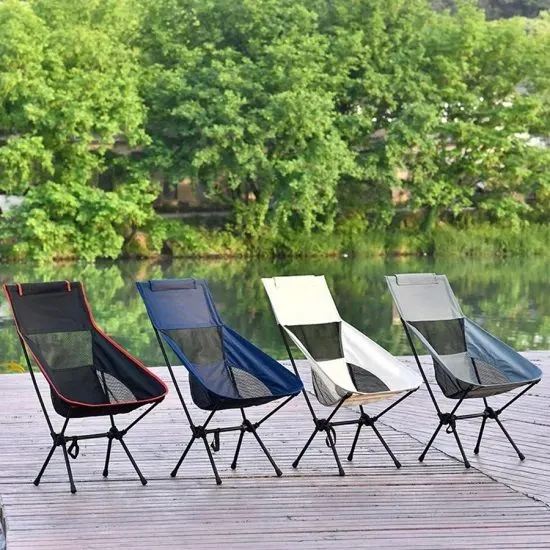
Picture this: you’ve hiked miles into prime hunting territory before dawn, only to realize your bulky orange chair has already spooked nearby wildlife. Or perhaps you’re at your favorite camping spot, but your oversized seating sticks out like a sore thumb against the natural backdrop, disrupting the serene atmosphere you came to enjoy. These scenarios are all too common for outdoor enthusiasts who haven’t found the right seating solution. The challenge isn’t just about having a place to sit—it’s about finding a chair that won’t weigh you down on the trail yet disappears seamlessly into your surroundings when you need to stay undetected. Whether you’re waiting patiently for game or simply want to minimize your visual footprint in nature, the wrong chair can mean missed opportunities and unnecessary frustration. This article will guide you through selecting a lightweight camping chair that truly blends into nature, addressing the critical balance between portability, durability, camouflage effectiveness, and stability that every serious outdoorsman needs to consider.
Why Lightweight Outdoor Seating is Essential for Adventurers
Portability and Performance: Balancing Weight with Functionality
When you’re trekking into backcountry or navigating through dense forest to reach your hunting stand, every ounce matters. Lightweight outdoor seating transforms your experience by eliminating the burden that traditional chairs impose on extended trips. Carrying a chair that weighs just two to three pounds instead of eight or ten means you arrive at your destination fresher and ready to focus on what matters—whether that’s glassing for elk or simply enjoying a peaceful evening by the lake.
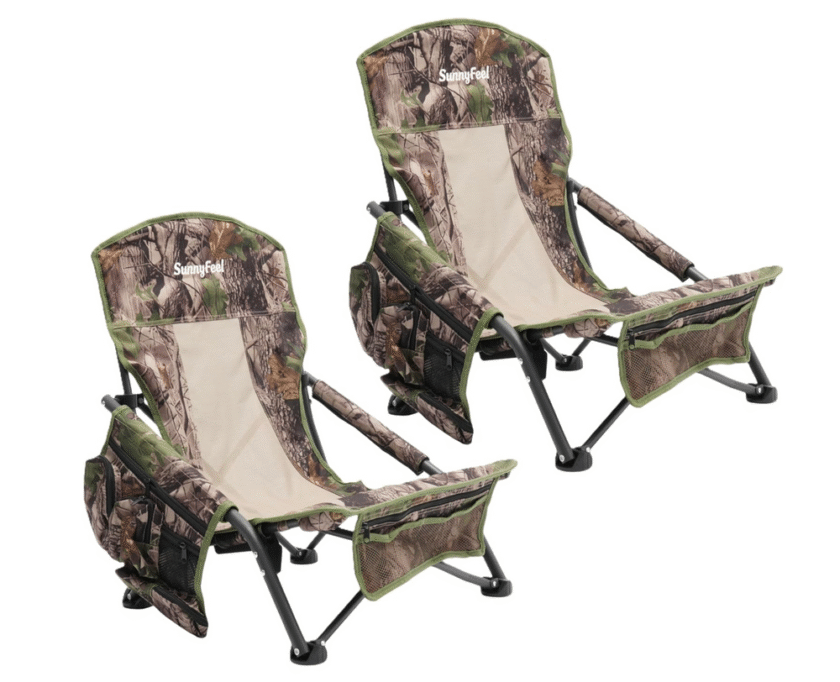
The convenience factor extends beyond just the carry. Modern lightweight chairs deploy in seconds, allowing you to set up quietly in hunting scenarios where noise discipline is critical. Their compact nature means they fit easily into backpack side pockets or attach to external straps without throwing off your balance on technical terrain. This compatibility with hiking and backpacking gear makes them versatile tools rather than specialized equipment that only serves one purpose.
Today’s lightweight designs achieve remarkable weight reduction through aluminum alloy frames and aerospace-grade materials that maintain structural integrity under stress. Compact folding mechanisms utilize tension-based engineering rather than bulky hardware, collapsing chairs down to the size of a water bottle. These innovations mean you’re not sacrificing essential features like proper back support or adequate seating surface. Weight capacities typically range from 250 to 300 pounds despite the minimal frame, proving that engineering ingenuity has solved the portability challenge without compromising functionality for outdoor enthusiasts who demand both performance and convenience.
Choosing Durable Hunting Chairs for Long-Lasting Use
Materials and Construction: What to Look For
Durability separates chairs that last multiple seasons from those that fail when you need them most. When selecting durable hunting chairs, the frame material forms the foundation of longevity. Reinforced steel frames offer superior strength for heavier users and rugged conditions, while high-grade aluminum provides excellent durability at reduced weight. The fabric choice matters equally—ripstop nylon and polyester blends resist tearing from branches and rough handling, with 600-denier fabric representing the sweet spot between durability and weight.
Weather resistance determines whether your chair survives the elements season after season. Quality chairs feature powder-coated frames that prevent rust and corrosion from morning dew, rain, or snow. Double-stitched seams with reinforced bartack stitching at stress points prevent fabric separation under load. Look for reinforced joints where frame components connect, as these areas endure the most stress during setup and use. UV-resistant treatments on fabric prevent sun degradation during summer scouting trips, while water-resistant coatings shed moisture quickly to prevent mildew growth.
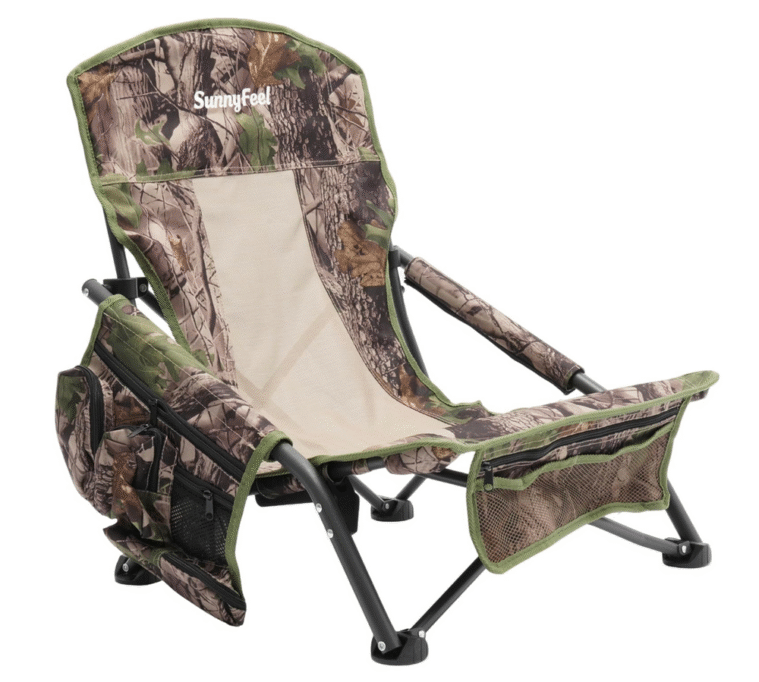
Load capacity specifications reveal true construction quality. Chairs rated for 300 pounds or more typically incorporate better engineering and materials throughout. Before purchasing, examine product specifications for frame thickness measurements and fabric weight ratings. User reviews provide real-world durability feedback that specifications can’t capture—search specifically for comments about longevity after multiple seasons of use. Testing the chair’s folding mechanism repeatedly in-store reveals potential weak points, as quality hinges and connection points operate smoothly without excessive play or resistance.
Maintenance extends the life of even the most durable chairs. After each trip, wipe down frames to remove dirt and moisture that accelerate wear. Store chairs in dry locations rather than damp garages or truck beds. Periodically inspect connection points and fabric for early signs of wear, addressing small issues before they become failures. Apply silicone lubricant to moving parts annually to maintain smooth operation and prevent binding that stresses components unnecessarily.
Camouflage Chairs: Mastering the Art of Blending into Nature
Effective Camouflage Patterns and Designs
When stealth determines success in the field, camouflage chairs become essential tools rather than optional accessories. The ability to disappear into your surroundings keeps wildlife unaware of your presence, allowing natural behavior patterns to unfold before you. Beyond hunting applications, minimizing your visual footprint respects wilderness aesthetics and reduces your impact on the environment, letting other outdoor enthusiasts experience nature without obvious human intrusion.
Selecting effective camouflage requires matching patterns to your specific environment and season. Woodland patterns featuring brown, tan, and green work exceptionally well in deciduous forests during fall and spring, mimicking bark, dead leaves, and undergrowth. Digital camouflage breaks up the human silhouette with pixelated patterns that confuse the eye at various distances, proving particularly effective in mixed terrain where traditional patterns might stand out. For late-season hunting in snow-covered landscapes, consider chairs with reversible fabric offering both standard camo and winter white options.
Grassland and prairie environments demand different approaches—lighter tan and golden hues with vertical patterns replicate dried grasses and sage. Mountain terrain benefits from gray and brown patterns that mirror rocky outcroppings and alpine vegetation. The key lies in observing your primary hunting or camping locations throughout the year, noting dominant colors and textures at ground level where you’ll be seated.
Testing camouflage effectiveness requires practical field evaluation. Set up your chair in typical locations, then walk away 50 yards and approach from different angles, simulating how game animals might encounter your setup. Take photos from various distances to see what wildlife would see. Pay attention to reflective components—shiny frame parts or glossy fabric can negate even the best patterns. Quality camouflage chairs incorporate matte finishes on all visible components and use fabric with minimal sheen. Consider the chair’s profile as well; even perfect color matching fails if the chair’s shape creates an unnatural silhouette against the landscape. Low-profile designs with contoured backs blend better than high-backed chairs that tower above surrounding vegetation.
Ensuring All-Terrain Stability for Safe and Secure Seating
Key Features for Stability on Various Surfaces
Uneven ground presents one of the most significant challenges when setting up camp or positioning yourself for a hunt. Rocky slopes, soft forest floor, hillsides, and marshy edges all threaten to tip unstable chairs, creating discomfort at best and safety hazards at worst. All-terrain stability becomes non-negotiable when your seating location isn’t negotiable—you need to be where the game appears or where the view is best, regardless of ground conditions.
Wide leg spreads form the foundation of stable chair design. Chairs with legs positioned at broader angles create larger footprints that resist tipping on slopes and uneven surfaces. Tripod and four-leg configurations each offer advantages—tripods naturally find stability on three points of contact regardless of terrain irregularity, while four-leg designs distribute weight more evenly on flat or gently sloping ground. The leg angle matters as much as the number; look for designs where legs extend outward at 45 degrees or more from the seat center.
Non-slip feet prevent chairs from sliding on wet leaves, smooth rocks, or muddy ground. Quality designs incorporate rubberized foot pads with aggressive tread patterns that grip varied surfaces. Some advanced models feature interchangeable feet—flat pads for hard surfaces and spiked tips that penetrate soft ground for anchoring. Adjustable leg lengths compensate for uneven terrain, allowing you to level the seat on hillsides by extending downhill legs while keeping uphill legs shorter. This feature transforms unusable sloped locations into comfortable seating positions.
Weight distribution engineering ensures stability under dynamic loads when you shift position to glass distant ridges or reach for gear. Lower seat heights create lower centers of gravity that resist tipping. Reinforced seat frames prevent sagging that can create unstable weight distribution. Before purchasing, test stability by sitting and deliberately shifting your weight to corners and edges—quality chairs remain planted while inferior designs feel tippy or unstable.
Field testing reveals real-world stability performance. Set up your chair on the most challenging terrain you’ll encounter—side slopes, soft sand, or rocky ground. Sit down with your full gear load and move naturally as you would during actual use. Push against armrests as if standing up, lean back fully, and shift laterally. The chair should feel secure throughout these movements. For hunting applications, practice drawing your bow or shouldering your rifle from the seated position to ensure the chair remains stable during these critical moments when movement must be controlled and quiet.
Practical Solutions: How to Select Your Ideal Lightweight Camping Chair
Selecting the right lightweight camping chair requires a systematic approach that matches your specific needs with available features. Start by assessing your primary activity and environment. Hunters need maximum camouflage and silent operation, while backpackers prioritize minimal weight and pack size. Consider the terrain you’ll encounter most—rocky mountain slopes demand different stability features than flat forest floors or sandy lakeshores.
Next, create a checklist comparing chairs against the critical features covered earlier. Evaluate weight specifications against your carrying tolerance—chairs under three pounds suit long-distance backpacking, while four to five pounds work for shorter treks with added comfort. Check fabric durability ratings and frame materials, ensuring they match your usage intensity. Verify camouflage patterns align with your primary hunting grounds or camping locations. Test stability features by reviewing leg design, foot type, and weight distribution engineering.
Research extensively through expert reviews and user feedback on outdoor forums and retail sites. Look specifically for comments about real-world performance after extended use, focusing on durability failures, comfort during long sits, and actual camouflage effectiveness. Watch video reviews showing setup processes and field testing to identify potential issues not apparent in product descriptions. Manufacturers like SunnyFeelOutdoor and others offer detailed specifications and sometimes provide field-testing information that can help inform your decision.
Establish a realistic budget that reflects quality construction. While premium chairs cost more initially, they typically outlast cheaper alternatives by several seasons, making them more economical long-term. When possible, visit outdoor retailers to physically test chairs, checking folding mechanisms, fabric quality, and overall build. Make your final selection based on the chair that best balances all four critical factors—lightweight portability, durable construction, effective camouflage, and reliable all-terrain stability—for your specific outdoor adventures.
Making Your Final Selection
Finding the perfect lightweight camping chair that blends into nature requires balancing four essential elements that work together to enhance your outdoor experience. Lightweight portability ensures you can reach remote locations without exhausting yourself before the adventure begins, while durable construction guarantees your investment withstands seasons of challenging conditions. Effective camouflage patterns allow you to disappear into your surroundings, maintaining the natural environment’s integrity whether you’re hunting or simply respecting wilderness aesthetics. All-terrain stability provides safe, secure seating regardless of ground conditions, letting you focus on the experience rather than worrying about your equipment. By systematically evaluating chairs against these criteria—checking frame materials, testing camouflage effectiveness in your specific environments, verifying stability features, and researching real-world performance—you’ll discover seating that truly meets your needs. The right chair transforms from mere equipment into an essential tool that supports successful hunts, comfortable camping trips, and deeper connections with nature. Take the knowledge from this guide, assess your specific requirements, and invest in a chair that will serve you reliably for years to come. Share your experiences with fellow outdoor enthusiasts and help others discover how the right seating solution enhances every moment spent in the wild.