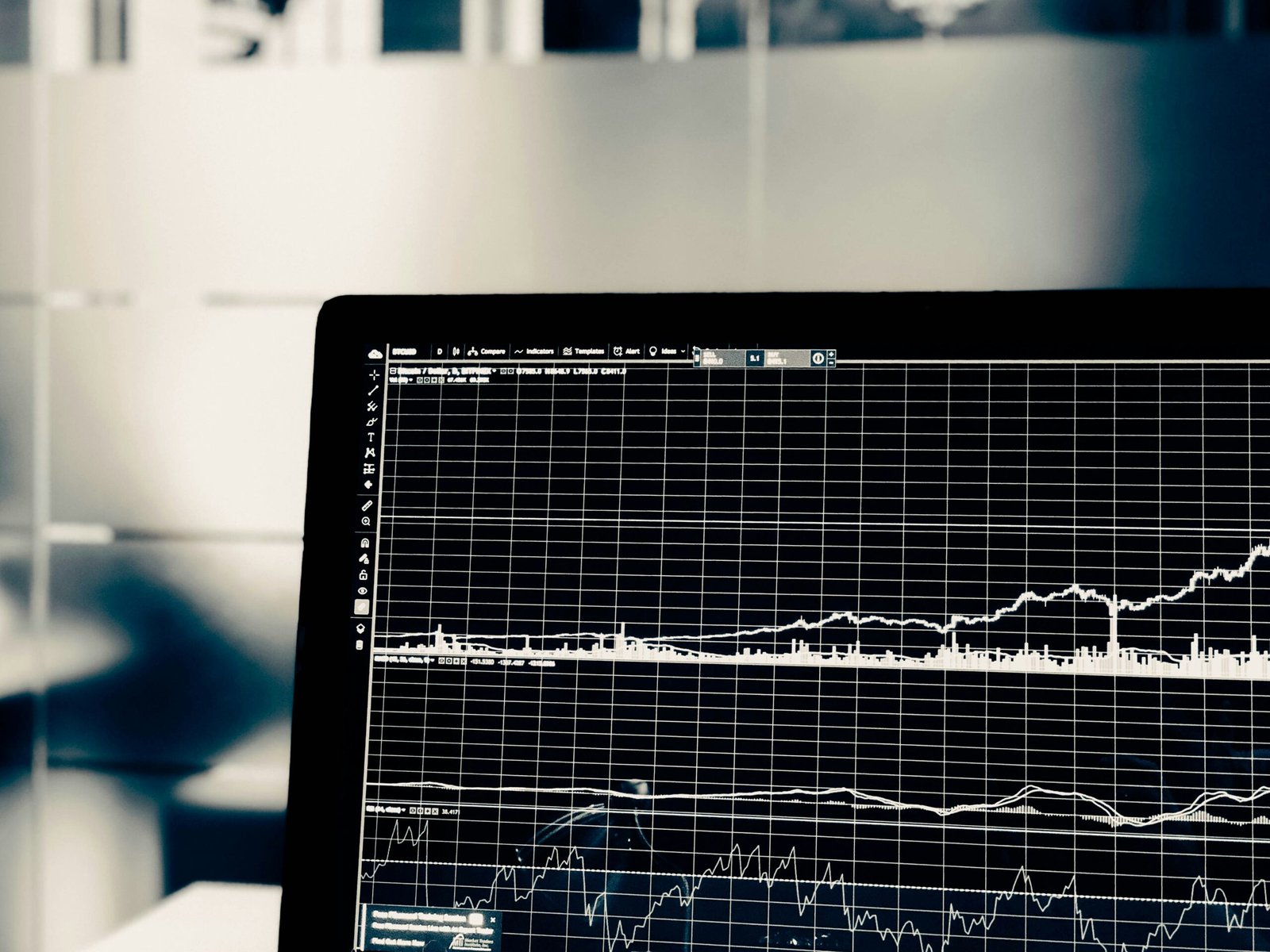
In today’s data-driven financial landscape, the competitive edge of any trading or analytical platform depends on the accuracy, speed, and reliability of its market data infrastructure. As global markets operate with increasing complexity and volatility, businesses can no longer rely on outdated data feeds or slow aggregation systems. This shift has driven the rapid adoption of advanced solutions such as a real time stock api, which provides immediate access to synchronized, high-quality data from multiple exchanges.
The true value of modern Stock Data APIs lies in their ability to convert raw market information into actionable insights with minimal latency. Trading algorithms, risk-management engines, asset-allocation models, and portfolio analytics all depend on ultra-fast data delivery. Even minor delays can distort price signals, weaken forecasting models, or trigger incorrect order execution. By contrast, a robust real-time API ensures that analytical systems operate on the most precise and current information available, allowing financial platforms to react to market changes at the exact moment they occur.
Finage’s Stock Data API reflects this new standard for market intelligence. It aggregates real-time and historical data across a wide spectrum of equities, enabling businesses to build scalable tools for market research, investment automation, and quantitative strategy development. The API offers a unified structure that eliminates inconsistencies commonly found in raw exchange feeds. This reduces engineering overhead, minimizes the risk of data errors, and allows teams to focus on deeper analytical tasks, such as model optimization or development of new predictive frameworks.
Another critical advantage is the ability to integrate seamlessly into diverse architectures. Whether used in high-frequency environments, fintech dashboards, mobile investment apps, or institutional analytics suites, a dependable API empowers organizations to deliver faster updates, richer visualizations, and more accurate market assessments. In an era defined by rapid digital transformation, real-time data is no longer a luxury — it is the foundation of any competitive financial product.
As markets continue evolving, companies that rely on high-performance stock data infrastructure will be better positioned to innovate, scale, and deliver superior results to their users.