Summer nights should be restful, but for many people, they’re anything but. Overheating, night sweats, and that suffocating feeling of being trapped under heavy bedding turn what should be peaceful hours into a sweaty, restless ordeal. The wrong comforter doesn’t just disrupt sleep — it can leave you groggy, irritated, and reaching for the thermostat at 3 a.m.
The solution lies not just in choosing a lighter comforter, but in choosing smarter materials. Eco-friendly bedding has emerged as a genuine game-changer for summer sleep, offering breathability, sustainability, and skin-friendly comfort that synthetic alternatives simply can’t match. For anyone shopping for a summer comforter queen size, the material composition matters far more than thread counts or marketing buzzwords.
Innovative materials like Naia Acetate — a plant-based fiber celebrated for its moisture-wicking and silky-soft properties — are redefining what comfortable summer sleep looks like. Paired with advanced technologies like BlendTek, these eco-conscious fabrics deliver the kind of cool, dry, skin-friendly comfort that health-conscious individuals actively seek. This article breaks down exactly why eco-friendly materials represent the gold standard for summer bedding.
The Superiority of Eco-Friendly Materials for Summer Comforters
Conventional bedding materials like polyester and synthetic blends were never designed with summer sleepers in mind. These fabrics trap body heat by restricting airflow, creating a microclimate under the covers that steadily climbs in temperature throughout the night. The result is familiar to anyone who’s woken up drenched at 2 a.m. — a cycle of discomfort that fragments sleep and leaves you exhausted by morning. Even some natural materials, like thick cotton or wool, can retain too much warmth for genuinely hot summer nights.
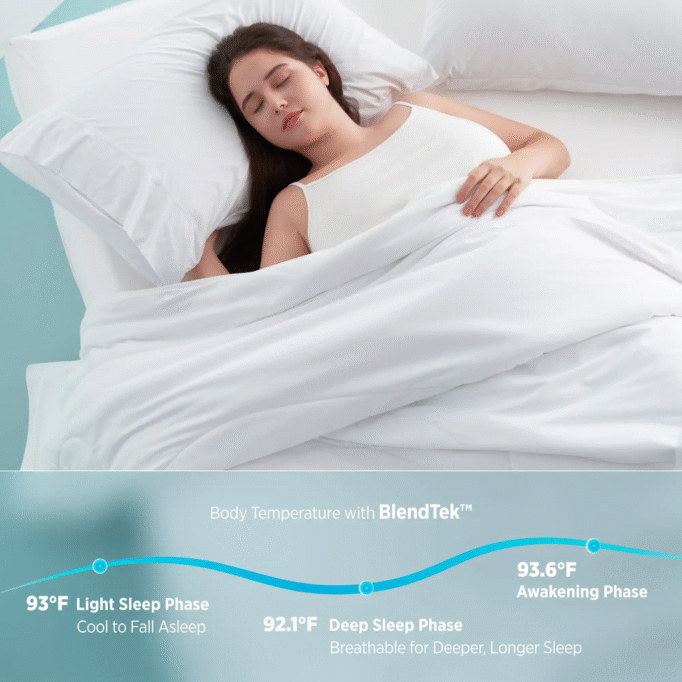
Eco-friendly materials break this pattern by working with your body’s natural thermoregulation rather than against it. Plant-based fibers and sustainably sourced materials tend to have open, breathable structures that allow heat to escape and air to circulate freely. This isn’t just about comfort — it’s about health. Many synthetic fabrics are treated with chemical finishes that can irritate sensitive skin, trigger allergies, or disrupt sleep quality over time. Eco-friendly alternatives are typically free from harsh dyes and toxic treatments, making them genuinely safer for prolonged skin contact.
For health-conscious individuals, the appeal goes beyond personal well-being. Sustainable bedding materials are produced with lower environmental impact — reduced water consumption, fewer chemical inputs, and biodegradable end-of-life disposal. Choosing a summer comforter queen made from eco-friendly materials means investing in sleep quality while reducing your environmental footprint. The advantages stack up quickly: better breathability, fewer allergens, gentler skin contact, and a cleaner production story — all of which make eco-friendly materials the clear front-runner for summer bedding.
Naia Acetate: A Sustainable Choice for Breathable Bedding
What is Naia Acetate?
Naia Acetate is a plant-based cellulosic fiber derived from sustainably sourced wood pulp, primarily from responsibly managed forests. Unlike petroleum-based synthetics, its production relies on renewable raw materials and a closed-loop manufacturing process that minimizes chemical waste and water usage. The result is a fiber with legitimate eco-credentials — biodegradable, responsibly produced, and certified to meet rigorous environmental standards. For consumers prioritizing both personal comfort and planetary health, Naia Acetate represents a meaningful step forward from conventional bedding materials.
Benefits of Naia Acetate in Summer Comforters
What makes Naia Acetate genuinely exceptional for a summer comforter queen is how its physical structure translates into real sleep benefits. The fiber’s naturally smooth surface creates a silky-soft feel against skin — noticeably different from the rough texture of standard polyester or even coarser cotton blends. More critically for summer use, Naia Acetate excels at moisture management. It actively wicks perspiration away from the skin rather than absorbing and holding it, keeping sleepers dry and comfortable even on humid nights.
Breathability is another standout quality. The fiber allows air to circulate through the fabric, preventing the heat buildup that makes conventional comforters so uncomfortable in warm weather. This combination of moisture-wicking efficiency and airflow creates a sleeping environment that stays consistently cool and dry throughout the night. Brands like Breescape Home have built their summer bedding collections around Naia Acetate precisely because of these properties — recognizing that for health-conscious individuals with sensitive skin, the absence of harsh chemical treatments adds another layer of appeal that synthetic alternatives rarely achieve.
Skin-Friendly Comfort: Prioritizing Health in Your Bedding
The Role of Moisture-Wicking in Summer Sleep
Moisture-wicking isn’t a marketing term — it’s a measurable physical process that directly determines how comfortable you sleep on warm nights. When your body temperature rises during sleep, perspiration is your natural cooling mechanism. The problem is that most conventional fabrics absorb that moisture and hold it against your skin, creating a damp, clammy surface that actually traps heat rather than releasing it. Eco-friendly plant-based fibers work differently. Their molecular structure pulls moisture away from skin and disperses it across a larger surface area, where it evaporates quickly. The practical result is a sleeping surface that stays consistently dry, even during humid summer nights when synthetic bedding becomes genuinely unbearable.
Health Benefits of Hypoallergenic Materials
Beyond moisture management, eco-friendly materials offer meaningful health advantages for anyone with sensitive skin or respiratory sensitivities. Synthetic fabrics are routinely treated with chemical finishes — flame retardants, optical brighteners, anti-wrinkle compounds — that can trigger contact dermatitis, worsen eczema, or irritate airways during sleep. Naturally derived fibers like Naia Acetate skip these harsh treatments, making them inherently gentler for prolonged skin contact. For health-conscious individuals who spend seven or eight hours each night in direct contact with their bedding, this distinction is significant. A summer comforter queen made from hypoallergenic eco-friendly materials reduces exposure to potential irritants, supports more restful sleep cycles, and makes a measurable difference in overall well-being — particularly for those who’ve struggled with unexplained skin irritation or disrupted sleep without identifying their bedding as the culprit.
BlendTek Technology: Engineering Comfort for Summer Nights
How BlendTek Technology Works
BlendTek is a fabric engineering technology that optimizes how different fibers interact within a single textile, creating performance characteristics that no single material could achieve alone. Rather than simply mixing fibers together, BlendTek precisely controls the structural relationship between them — determining how they interlock, how air moves through the resulting fabric, and how moisture travels across its surface. When applied to eco-friendly materials like Naia Acetate, this process amplifies the natural strengths of each fiber while compensating for any limitations. The outcome is a summer comforter queen fabric that performs with a consistency and reliability that standard blending methods simply can’t replicate. BlendTek also enhances durability, meaning the breathability and moisture-wicking properties that make these comforters exceptional don’t degrade after repeated washing — a practical advantage that protects your investment over multiple summer seasons.
Advantages of BlendTek in Temperature Regulation
For summer sleepers, BlendTek’s most significant contribution is how it actively supports temperature regulation throughout the night. By engineering precise airflow channels within the fabric structure, the technology ensures heat generated by the body escapes rather than accumulating beneath the comforter. Moisture is simultaneously drawn away from skin and dispersed efficiently, preventing the damp, stifling conditions that interrupt sleep. In a queen-sized comforter, consistent performance across the entire surface matters — BlendTek delivers that uniformity, ensuring every part of the bedding maintains the same cooling, skin-friendly comfort from edge to edge.
Your Guide to Choosing the Best Eco-Friendly Summer Comforter Queen
Selecting the right summer comforter queen comes down to knowing what to look for before you buy. The market is crowded with options that promise cooling comfort but deliver little more than clever packaging. These four practical steps cut through the noise and point you toward bedding that genuinely performs.
Step 1: Evaluate Material Composition
Start by reading the fabric label carefully. Look for certified eco-friendly fibers like Naia Acetate, organic cotton, or other plant-based cellulosic materials. Certifications from recognized bodies — OEKO-TEX, TENCEL, or similar standards — confirm that the material meets verified environmental and safety benchmarks, not just marketing claims.
Step 2: Assess Moisture-Wicking Features
Don’t take moisture management claims at face value. Look for product descriptions that specify how moisture is transferred — fibers that actively disperse perspiration across the fabric surface rather than simply absorbing it will keep you noticeably drier. Plant-based fibers with smooth molecular structures consistently outperform synthetic alternatives in this regard.
Step 3: Consider Comfort and Fit for Queen Beds
Skin-friendly comfort depends on both material and coverage. Confirm the comforter’s dimensions suit a standard queen bed with adequate overhang on each side. A proper fit prevents bunching and ensures the breathable, hypoallergenic fabric stays in consistent contact with your skin throughout the night rather than shifting out of position.
Step 4: Look for Technological Enhancements
Finally, check whether the comforter incorporates fabric engineering innovations like BlendTek technology. These enhancements optimize airflow, reinforce moisture-wicking efficiency, and extend the durability of the comforter’s performance properties — ensuring your investment delivers consistent cooling comfort across multiple summer seasons.
Eco-Friendly Bedding Is the Smarter Choice for Summer Sleep
Summer sleep doesn’t have to mean restless nights and sweat-soaked sheets. The evidence is clear: eco-friendly materials like Naia Acetate deliver a fundamentally different sleeping experience — one built on breathability, moisture-wicking efficiency, and skin-friendly comfort that synthetic fabrics simply cannot replicate. When enhanced by fabric engineering innovations like BlendTek technology, these materials perform with a consistency and durability that makes them a genuinely smart investment for anyone serious about sleep quality during warm months.
For health-conscious individuals, the case is even stronger. Choosing a summer comforter queen made from sustainably sourced, hypoallergenic materials means fewer chemical irritants against your skin, reduced allergy risks, and a cooler, drier sleeping environment night after night. The environmental benefits — responsible sourcing, lower chemical inputs, biodegradable fibers — align personal comfort with broader values around sustainability.
Before your next purchase, take the time to evaluate material certifications, moisture-wicking claims, and fabric technology rather than defaulting to conventional options. The right summer comforter queen won’t just improve your sleep — it will transform it. Make an informed choice, and let your bedding work with your body, not against it.