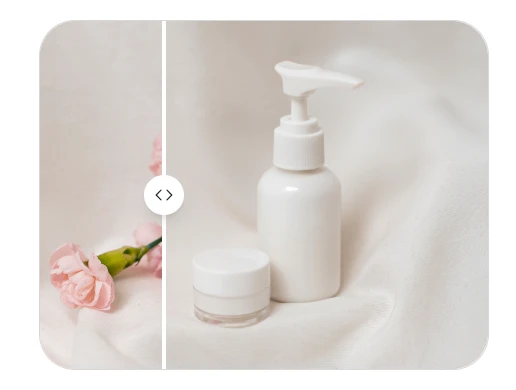
Images often speak before any headline does. A photo appears in a feed, on a product page, or inside a presentation slide, and within seconds it shapes an impression. If the image feels cluttered, low-resolution, or inconsistent with the surrounding design, the reaction is subtle but immediate. People may not articulate the problem, yet they sense hesitation.
Clean images create clarity. They remove distractions that compete with the subject and allow the message to land without resistance. High-quality images do something similar. They signal care. When a business consistently uses refined visuals, it feels organized and deliberate. When a creator posts distraction-free photos, their content appears more considered.
The Link Between Image Quality and Trust
Trust is not built only through text. It is built through visual consistency. Product images with uneven lighting or visible marks raise questions, even if the product itself is reliable. A social media post with leftover overlays or clutter in the background can feel rushed.
Many teams now rely on an AI photo editor to prepare visuals before publishing. The goal is not dramatic transformation but refinement. Removing unwanted visual elements, cleaning small imperfections, and improving image quality are practical steps that strengthen credibility. These edits often go unnoticed when done well, which is precisely the point.
Consider an ecommerce seller uploading product photos. A distracting object in the corner might not seem significant, but once removed, the product stands alone. The result feels intentional. Over time, that consistency contributes to how customers perceive the brand.
Social Media Demands Visual Precision

On platforms like Instagram, TikTok, or Pinterest, attention moves quickly. Images compete for seconds of focus. A cluttered background or low-quality detail can interrupt that flow. Even slight improvements in clarity can influence whether someone pauses or scrolls past.
Preparing images before posting has become routine rather than optional. Removing background from photos helps isolate the subject. Cleaning up subtle marks keeps the composition balanced. Enhancing brightness or detail ensures that compression does not flatten the final result.
Creators who reuse visuals across multiple platforms feel this difference clearly. An image that looks acceptable in one format may reveal flaws in another. A clean, high-quality base file adapts better to resizing, cropping, and repurposing.
Business Workflows and Visual Consistency

In business environments, images rarely live in a single place. A product photo might appear on a website, inside an email campaign, and later in a printed brochure. If the original image contains distractions, those flaws multiply across formats.
This is where thoughtful workflows matter. Instead of editing reactively, teams increasingly build cleanup and enhancement into their process. Remove background from photos when clarity matters. Improve image quality before resizing. Generate visuals when a concept requires something entirely new. These steps reduce friction later.
Platforms such as Phototune reflect this broader shift toward integrating cleanup, enhancement, and generation within a single environment. The advantage is not complexity but cohesion. Visual tasks that once required separate stages now fit naturally into one continuous workflow.
Reuse, Longevity, and Adaptability
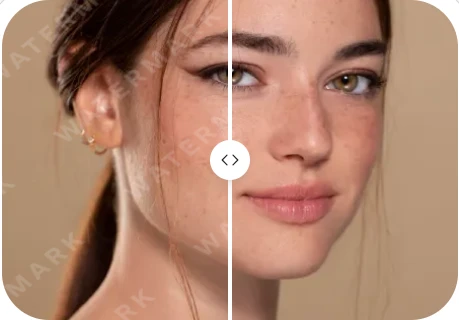
Images are rarely one-time assets. A single photo can support multiple campaigns or posts over months. When that image is clean and high-quality from the start, reuse becomes easier. There is less need for emergency fixes before republishing.
Small details matter here. A faint watermark, a stray object, or slightly dull lighting may seem minor initially. Over time, these imperfections become more noticeable as the image appears in different contexts. Addressing them early protects long-term usability.
Clean visuals support clarity. High-quality images support trust. Together, they create a foundation that works across social media and business use alike. Rather than being decorative elements, they become reliable components of communication—quietly reinforcing the message they are meant to deliver.