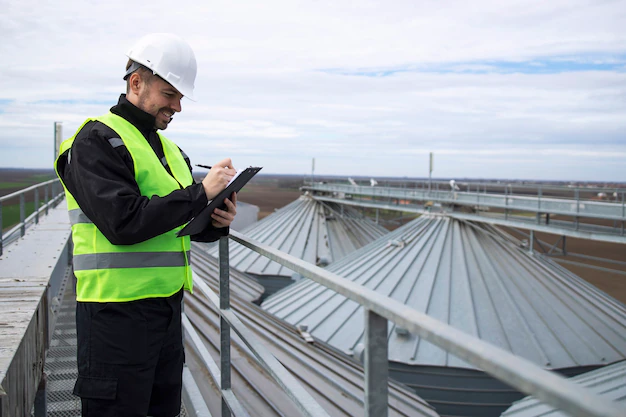
Not all internal tank and pipeline inspection services companies are created equal.
On paper, they might look similar. Same services. Similar equipment. Comparable pricing. But when it comes to asset safety, the difference between a certified inspection company and a “we’ve been doing this forever” operation can be massive. And yeah, sometimes that difference only becomes obvious after something goes wrong.
That’s the uncomfortable truth.
Certification Isn’t Just a Badge — It’s Accountability
When an inspection company is certified—especially under standards like API 653—it’s not just about passing an exam. It’s about agreeing to work within a framework that’s constantly reviewed, updated, and scrutinized.
Certified inspectors are trained to:
- Follow defined inspection methodologies
- Document findings properly
- Understand failure mechanisms, not just spot defects
- Stay current with evolving standards
That last part matters more than people realize. Tanks age. Regulations change. What was acceptable ten years ago might be a serious risk today.
Certification forces inspectors to keep up—or step aside.
Asset Safety Is About the Stuff You Don’t See
Most serious tank failures don’t start with something dramatic. They start quietly. A thinning floor plate. A subtle shell distortion. Coating breakdown that’s easy to overlook if you’re rushing or guessing.
Certified water tank inspection services companies are trained to look for patterns, not just obvious damage. They know where corrosion usually hides. They know which measurements actually matter and which ones just look good in a report.
And more importantly—they know when something feels off, even if it technically passes minimum requirements.
That instinct is learned. And certification helps build it.
Uncertified Inspections Can Create a False Sense of Security
This part makes people uncomfortable, but it needs to be said.
A bad inspection is sometimes worse than no inspection at all.
Why? Because it creates confidence where none should exist. A tank gets a clean bill of health, operations continue, and months—or years—later a failure shows up that everyone swears “came out of nowhere.”
It usually didn’t.
Certified tank inspection services inspectors are far less likely to miss early warning signs because they’re trained to document risk, not just check boxes. They don’t avoid uncomfortable findings. They’re expected to report them.
Certification Protects More Than the Tank
Asset safety isn’t just about steel and welds. It’s about:
- People working around the tank
- Environmental exposure
- Regulatory liability
- Operational continuity
Certified inspection companies understand that their reports don’t live in isolation. They can end up in audits, insurance reviews, or legal proceedings.
That awareness changes how carefully inspections are performed and how findings are worded. There’s less guesswork. Less vague language. Less room for interpretation.
And that protects you, not just the asset.
Better Decisions Come From Better Data
One of the most underrated benefits of working with a certified inspection company is decision clarity.
Good inspectors don’t just tell you what’s wrong. They explain:
- What needs immediate action
- What can be monitored safely
- What’s acceptable but trending in the wrong direction
That nuance matters. It helps owners avoid overreacting and underreacting. And it makes budgeting, maintenance planning, and risk management a whole lot more realistic.
Yes, Certification Usually Costs More — and That’s the Point
Certified inspection services often aren’t the cheapest option. And honestly, that’s a good thing.
You’re paying for:
- Verified training
- Proven inspection methodologies
- Accountability
- Reduced risk of catastrophic failure
If a quote feels suspiciously low, it’s worth asking what’s being skipped. Because shortcuts in inspection don’t show up right away. They show up later—when fixing the problem is far more expensive.
Trust Is Built Before There’s a Problem
Here’s the part people don’t talk about enough.
You don’t want to meet your inspection company for the first time after something fails.
Choosing a certified tank inspection company before issues arise builds a baseline of trust, data, and familiarity with your assets. When problems do show up—and eventually, they will—you’re not starting from scratch.
You’re continuing a conversation.
Final Thought
Choosing a certified tank inspection company isn’t about ticking a compliance box. It’s about protecting your asset, your people, and your operation from risks that don’t announce themselves loudly.
Certification doesn’t guarantee perfection. But it dramatically improves the odds that problems are caught early, explained clearly, and handled responsibly.
And when it comes to asset safety, those odds matter more than anything.
FAQs
1. Is certification legally required for all tank inspections?
Not always, but it’s often required for regulated assets and strongly recommended for risk management.
2. Does certification guarantee better inspections?
It doesn’t guarantee perfection, but it significantly reduces the chance of missed or misunderstood issues.
3. Can uncertified inspectors still have experience?
Yes—but certification ensures that experience aligns with current standards.
4. How do I verify a company’s certification?
Ask for inspector credentials and certification references. Reputable companies won’t hesitate.
5. Is certification more important than technology?
Yes. Tools are only as good as the people using them.